
Almería: Where Desert Meets Sea
Fortress Above the City
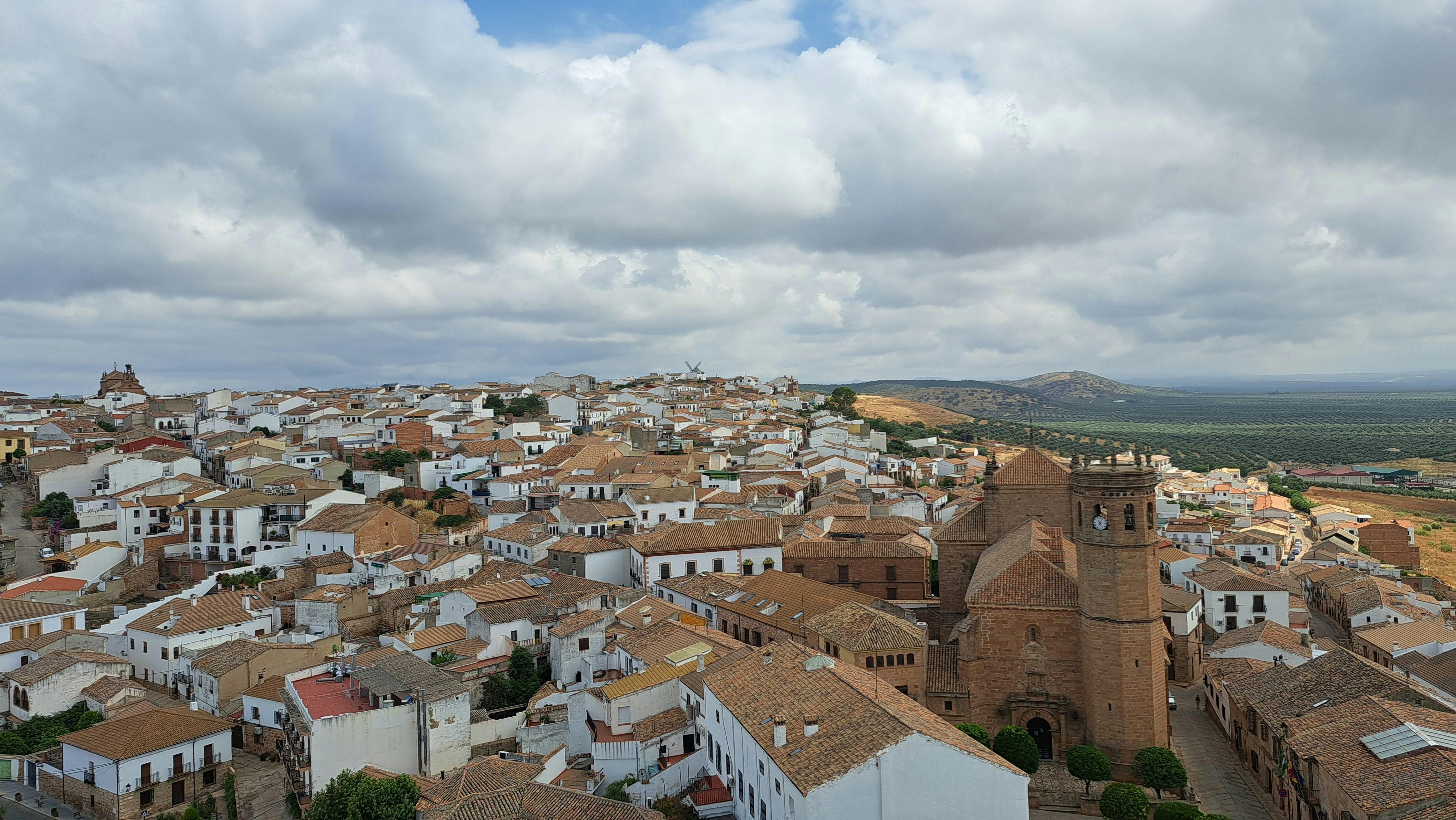
The Alcazaba commands attention from nearly every corner of the city. Built in 955 by the Caliph of Córdoba, Abd-ar-Rahman III, this massive fortress complex was constructed as both a defensive stronghold and a symbol of Moorish power. Its three distinct walled compounds climb the hillside, each serving a different purpose throughout history – from military garrison to residential palace to Christian fortification after the Reconquista.
A walk through the fortress reveals layer upon layer of history. The first enclosure, once used as a military camp and refuge for the city's population during attacks, now houses carefully maintained gardens where fountains bubble and palm trees provide welcome shade. The second compound, the residence of Muslim kings and governors, showcases intricate architectural details that speak to the sophistication of medieval Al-Andalus. From the highest ramparts, panoramic views stretch across the port, the city below, and the Sierra de Gádor mountains beyond.
What makes this fortress particularly striking when compared to other Moorish structures throughout Spain lies in its exceptional state of preservation. Unlike many fortifications that fell into ruin or were heavily modified, much of the original structure remains intact, offering an authentic window into medieval Islamic military architecture.
Things to do in Almeria
Cathedral Born from Victory
In the heart of the old town, the Cathedral of the Incarnation presents an unusual profile for a house of worship. Its thick walls, corner towers, and fortress-like appearance tell the story of a city that remained vulnerable to pirate raids long after the Christian conquest. Construction began in 1522 on the site of a former mosque, but the design incorporated defensive features that could be mistaken for a castle rather than a church.
The cathedral's interior, however, reveals Gothic and Renaissance elements that contrast sharply with its austere exterior. Vaulted ceilings soar overhead, and the main altar features intricate carved stonework. The choir stalls, crafted from walnut in the 18th century, display remarkable artistry. Perhaps most impressive, the building has weathered numerous earthquakes that have devastated other structures throughout the region, a testament to the builders' engineering skill.
Behind the cathedral, narrow streets wind through the old quarter, where traditional tapas bars occupy ground floors of centuries-old buildings. Here, local life continues much as it has for generations, relatively untouched by mass tourism.
Landscape of Another World
Just beyond the city limits, the Tabernas Desert spreads across 280 square kilometers – Europe's only true desert environment. This extraordinary landscape, with its badlands, dried riverbeds, and sparse vegetation, has been shaped by millennia of erosion and an annual rainfall of less than 250 millimeters. The striking terrain bears an uncanny resemblance to the American Southwest, a similarity not lost on filmmakers.
Since the 1960s, over 500 films have been shot in these arid expanses. Sergio Leone's iconic Spaghetti Westerns, including "The Good, the Bad and the Ugly" and "A Fistful of Dollars," transformed these Spanish badlands into cinematic representations of the Wild West. More recently, the desert has doubled for locations as diverse as Afghanistan, Arabia, and even alien planets in productions ranging from "Lawrence of Arabia" to "Game of Thrones."
Several Western-themed parks built for film productions still stand and now operate as tourist attractions, complete with daily stunt shows and recreated frontier towns. Beyond the tourist sites, the protected desert harbors unique flora and fauna adapted to extreme conditions – species found nowhere else in Europe.
Coastline of Contrasts
The province's 200 kilometers of Mediterranean coastline present dramatic variety. To the south, the Cabo de Gata-Níjar Natural Park protects one of Spain's most pristine coastal environments. Volcanic cliffs plunge into crystalline waters, hidden coves can only be reached by foot or boat, and beaches of dark sand backed by agave and prickly pear remain largely undeveloped.
Within the park, small fishing villages like Las Negras and La Isleta del Moro maintain their traditional character. Whitewashed houses cluster around tiny harbors where fishing boats still set out each morning. These communities, once isolated and impoverished, have found a delicate balance between welcoming visitors and preserving their authentic way of life.
The waters here support exceptional marine biodiversity. Protected seagrass meadows provide nurseries for numerous fish species, while the rocky underwater landscape attracts divers from across Europe. The park's status as a designated marine reserve since 1997 has allowed fish populations to recover dramatically, making it one of the Mediterranean's healthiest marine ecosystems.
Agricultural Innovation
Inland from the coast, an extraordinary agricultural transformation has taken place. What was once considered barren, unusable land has been converted into one of Europe's most productive growing regions. The Campo de Dalías and Campo de Níjar, covered by vast expanses of plastic greenhouses – known locally as "the sea of plastic" – produce tomatoes, peppers, cucumbers, and other vegetables year-round for markets across Europe.
This agricultural revolution began in the 1960s when farmers experimented with plastic sheeting to extend the growing season. The mild winter climate, combined with this simple technology, proved incredibly successful. Today, approximately 30,000 hectares lie under plastic, producing nearly 3 million tons of vegetables annually and generating employment for tens of thousands of workers.
The environmental and social implications of this intensive agriculture have sparked debate. While the economic benefits to the region cannot be denied – poverty rates have plummeted and infrastructure has improved dramatically – concerns about water usage, plastic waste, and working conditions continue to generate discussion about sustainable development models.
Flavors of Sun and Sea
The local cuisine reflects the province's geography and history. Fresh seafood dominates menus along the coast, prepared simply to let the quality of ingredients shine. Ajo colorao, a traditional dish brought by fishing families from Murcia, combines dried peppers with garlic, bread, and olive oil into a thick, flavorful paste served with potatoes and whatever fish the day's catch provided.
Gurullos, a dish born of necessity in an agricultural region where meat was scarce, combines handmade pasta similar to couscous with rabbit, hare, or game birds. The pasta, traditionally rolled by hand between palms, absorbs the rich flavors of the stew. In mountain villages, this hearty dish remains a staple during winter months.
The intense sun that makes conventional agriculture challenging proves ideal for certain crops. Oranges from the fertile valleys possess exceptional sweetness, while tomatoes grown in the greenhouses, though controversial in other ways, have been bred for flavor rather than just shelf life. Local markets overflow with produce that seems to concentrate the essence of Mediterranean sunshine in every bite.
Living Between Extremes
What defines this corner of Andalusia more than anything might be its position between extremes. Desert and sea, ancient and modern, isolation and connectivity – these contrasts shape daily life and give the region its distinctive character. The same sun that made life difficult for centuries now powers solar installations that supplement the economy. The remote location that kept the region poor now attracts those seeking authenticity away from crowded tourist centers.
The city itself moves to a rhythm dictated by climate and tradition. Summer heat empties streets during afternoon hours, when shutters close and life pauses until the temperature becomes bearable again. Evening brings relief and activity – families emerge for paseos along the palm-lined Rambla, cafes fill with conversation, and the city comes alive under the soft light of street lamps.
Much like Heidelberg draws visitors with its romantic castle views and intellectual heritage, this Andalusian destination offers its own compelling combination of dramatic history and stunning natural beauty – though here, the castle takes the form of a Moorish fortress, and the landscape shifts from mountains and rivers to desert and sea. The essence remains the same: places where history and geography intertwine to create something that cannot be found anywhere else.


 Home
Home Wishlist