
Bari: Where the Adriatic Meets Southern Soul
Stones That Remember
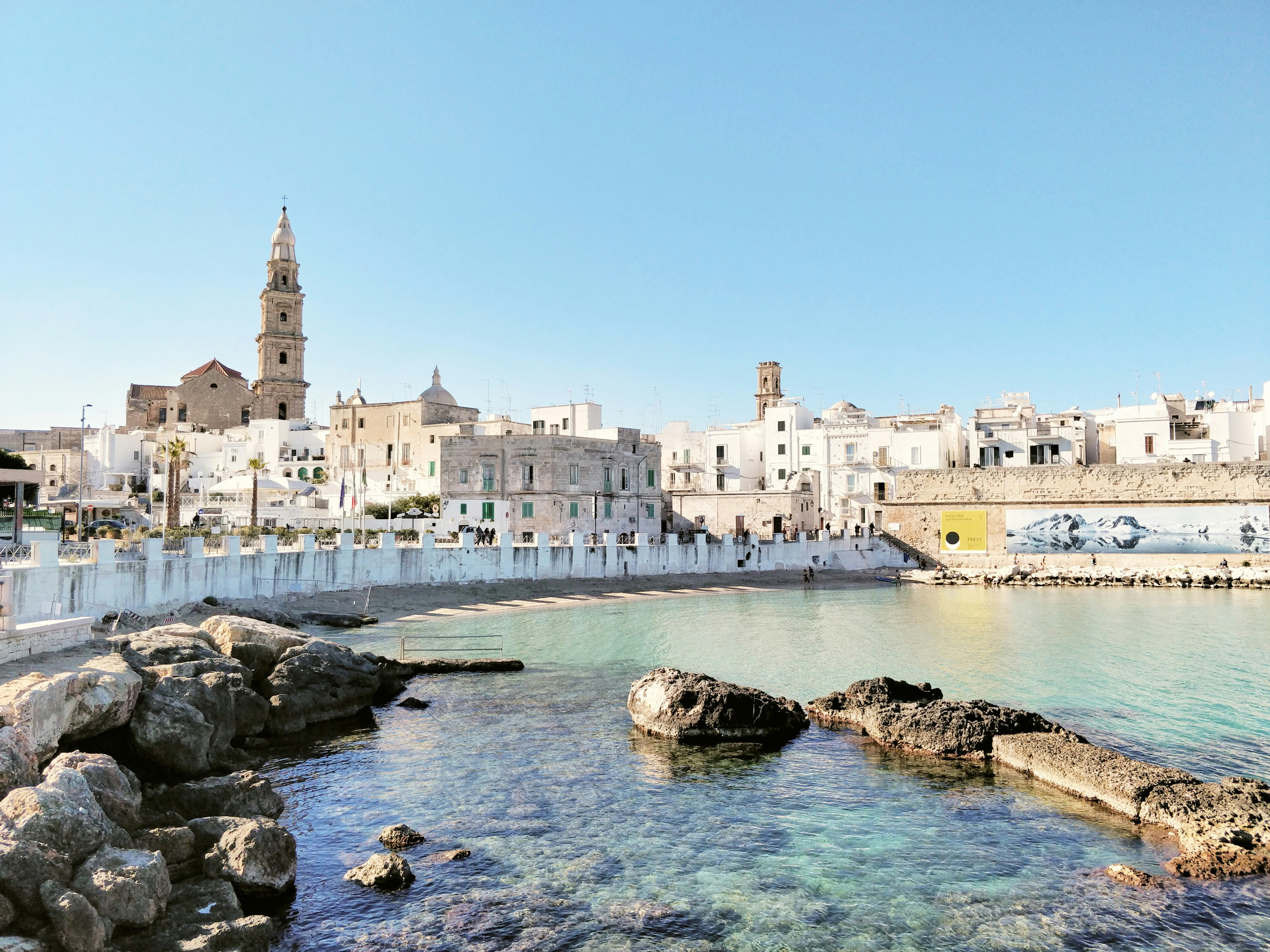
The Città Vecchia—the old town—remains a labyrinth of whitewashed alleyways where time seems to move at its own pace. These narrow streets, barely wide enough for two people to pass, were deliberately designed this way centuries ago. Protection from invaders and relief from the scorching summer sun were equally prioritized by medieval urban planners.
The Basilica di San Nicola stands as the district's crown jewel, its Romanesque facade having watched over the city since 1197. Within its walls, the relics of Saint Nicholas—yes, the very saint who inspired Santa Claus—have been preserved since they were brought from Myra in 1087. Pilgrims from Orthodox and Catholic traditions alike have been drawn here for nearly a millennium, their footsteps wearing smooth the ancient stone floors.
Just steps away, the imposing Castello Svevo looms over the harbor. Built by Norman King Roger II in the 12th century, later expanded by Frederick II, and then fortified by the Aragonese, this fortress embodies the city's layered history. Its thick walls have been witness to sieges, royal ceremonies, and the ebb and flow of Mediterranean power.
Things to do in Bari
Where Pasta Meets Pavement
In the Strada delle Orecchiette, a tradition unfolds daily that has been maintained for generations. Local women—the sfoglinas—sit outside their homes, their practiced hands transforming simple semolina dough into orecchiette, the "little ears" pasta that has become synonymous with Puglian cuisine. Each piece gets formed by hand, pressed with a knife, then turned inside out with a flick of the thumb—a gesture repeated thousands of times, yet performed with unwavering precision.
This street theater of culinary tradition can be observed but rarely replicated. Tourists pause to photograph and purchase, while grandmothers pass their knowledge to younger generations, ensuring that this edible heritage won't be forgotten. The pasta will later be tossed with cime di rapa—turnip greens—garlic, and anchovies, creating a dish that speaks of the sea, the land, and centuries of resourceful cooking.
A Waterfront Transformed
The Lungomare Nazario Sauro stretches along the coast, offering a stark contrast to the medieval quarter's tight confines. This elegant promenade, one of Italy's most beautiful, was developed in the early 20th century and has since become the city's living room. Joggers, cyclists, and strolling couples share the space, all drawn by the hypnotic rhythm of waves against stone.
At sunset, the entire seafront gets bathed in golden light. Benches fill with people watching fishing boats silhouetted against the orange sky. Gelato gets consumed in copious quantities. Conversations drift from Italian to the local dialect—Barese—a linguistic cocktail that reflects centuries of Greek, Arabic, Norman, and Spanish influences.
Commerce and Culture
Via Sparano, the main shopping street, pulses with commercial energy. This pedestrian thoroughfare, connecting the old town to the newer districts, has been the city's retail heart since the 19th century. International brands occupy grand palazzos, their window displays competing for attention with traditional shops selling handmade leather goods and local delicacies.
The Teatro Petruzzelli, rebuilt after a devastating fire in 1991, stands as testament to the city's resilience and cultural ambitions. This opera house, the fourth largest in Italy, has been graced by performances from Luciano Pavarotti, Rudolf Nureyev, and Frank Sinatra. Its ornate interior, meticulously restored, hosts world-class productions that draw audiences from across the region.
Markets and Morning Rituals
Before most tourists stir from their beds, the daily market near the port roars to life. Fishmongers display their catch—octopus, sea urchins, red prawns—on beds of ice. Their voices ring out, advertising the freshness of their wares in a singing cadence perfected over generations. Nearby stalls overflow with burrata so fresh it weeps milky liquid, sun-ripened tomatoes, and wild chicory gathered from the countryside.
This sensory overload has been repeated every morning for centuries. The same negotiations, the same careful selection of ingredients, the same pride in choosing the perfect specimen—these rituals connect contemporary shoppers to their ancestors in an unbroken chain of daily life.
Beyond the Ancient Walls
The Murattiano district, built in the early 19th century during the reign of Joachim Murat, presents a different architectural language. Its grid pattern and wide boulevards were designed to modernize the medieval chaos. Art Nouveau buildings, their facades decorated with floral motifs and wrought iron balconies, line streets named after Italian heroes and dates of unification.
The Pinacoteca Provinciale houses an impressive collection of Puglian art, from Byzantine icons to contemporary works. Within its galleries, the region's artistic evolution can be traced—the way light has been captured differently across centuries, how local identity has been expressed through changing styles and techniques.
Faith and Festival
Every May, the Festa di San Nicola transforms the city into a massive open-air celebration. A procession carries the saint's statue to the sea, where it gets placed aboard a boat and paraded along the coast. Fireworks explode over the water. Music fills every piazza. For three days, normal life gets suspended as the city honors its patron saint with the same fervor shown by medieval predecessors.
These celebrations reveal something essential about the local character—a deep connection to tradition, an unabashed embrace of spectacle, and a communal spirit that transcends individual concerns. Strangers become friends. Homes open to visitors. The entire city becomes a family.
Tastes of the Adriatic
In trattorias tucked into ancient alleyways, the day's catch gets prepared simply but perfectly. Raw seafood—crudo—arrives at the table glistening with olive oil and lemon. Riso, patate e cozze—rice, potatoes, and mussels—might seem an unlikely combination, but this baked dish represents Puglian cooking at its essence: humble ingredients elevated through technique and tradition.
The focaccia barese, dimpled and golden, gets pulled from wood-fired ovens throughout the day. Topped with cherry tomatoes and olives, or kept plain and stuffed with mortadella, this flatbread sustains students, workers, and wanderers alike. Each bakery guards its recipe jealously, though the basic principle remains unchanged: good flour, good oil, and time.
Gateway to the East
The port, one of the Adriatic's busiest, maintains the city's historic role as a bridge between Italy and the Balkans, Greece, and the eastern Mediterranean. Ferries depart daily for Dubrovnik, Corfu, and beyond. This constant movement of people and goods has been sustained for millennia—first Greek colonists, then Roman legions, later Crusaders heading to the Holy Land, and now tourists and commercial traffic.
This orientation toward the sea has shaped the local temperament. An openness to foreign influences combined with a fierce pride in local traditions creates a distinctive character—simultaneously cosmopolitan and deeply rooted, forward-looking yet respectful of the past.
The Puglian capital demonstrates how authenticity need not be performed or fabricated. Life gets lived fully here—in bustling markets, along the waterfront, within ancient churches, and around dinner tables where multiple generations gather. Those seeking a different pace, away from Italy's more crowded destinations, often find themselves drawn southward, perhaps after experiencing Venice, to discover this sun-drenched corner where the Adriatic whispers its ancient stories.


 Home
Home Wishlist