
Brighton: Where the Sea Meets Bohemian Spirit
The Royal Connection
The transformation from modest fishing village to fashionable resort was set in motion during the 18th century. Dr. Richard Russell's championing of seawater therapy brought the first waves of visitors seeking health benefits from the brine. However, the town's destiny was truly sealed when the Prince Regent – later George IV – chose it as his favored retreat.
The Royal Pavilion stands today as perhaps the most extraordinary architectural legacy of this royal patronage. Designed by John Nash and completed in 1823, this Indo-Saracene fantasy palace was conceived as an escape from the formality of court life. Its onion domes and minarets remain utterly incongruous with the English seaside setting, yet this very audacity has been woven into the town's DNA. Inside, opulent Chinese-inspired interiors and crystal chandeliers can still be admired, their lavishness undiminished by two centuries of changing tastes.
Things to do in Brighton
A Palette of Pebbles and Promenades
The beach itself stretches for miles, its distinctive shingle shore rolled smooth by endless tides. While soft sand might be absent, the character offered by those countless pebbles has been embraced wholeheartedly. During summer months, the stones get covered by sunbathers, families, and groups of friends clutching fish and chips from one of the many vendors along the seafront.
Two piers punctuate this coastal expanse. The Palace Pier – officially renamed but still known by its original name to locals – juts confidently into the English Channel, its lights and amusements creating a riot of color and sound. Meanwhile, the skeletal remains of the West Pier stand as a haunting silhouette just offshore, destroyed by fire in 2003 but retained as an accidental monument to impermanence.
The seafront promenade has been graced with Victorian arches and shelters, their ornate ironwork providing both practical protection from sea winds and aesthetic charm. Here, joggers weave between dog walkers and buskers, while the distinctive yellow-and-white striped beach huts add cheerful punctuation to the vista.
The Lanes and Creative Quarters
Away from the seafront, narrow passageways and winding streets reveal the town's medieval origins. The Lanes – a warren of 17th-century pathways – have been transformed into a shopper's paradise, where independent jewelers, antique dealers, and boutique shops compete for attention. Every turn reveals another hidden courtyard or tucked-away café, each corner seemingly designed to reward exploration.
North Laine (often confused with The Lanes but distinctly separate) pulses with a different energy altogether. This neighborhood has been claimed by bohemian culture, its streets lined with vintage clothing stores, record shops, vegan cafés, and studios where local artists create and sell their work. Street art adorns many walls, sanctioned and celebrated rather than merely tolerated.
A Canvas for Expression
The town's reputation as Britain's most LGBTQ+-friendly destination has been earned through decades of openness and activism. Kemptown, in particular, has been established as the heart of this community, its pubs, clubs, and shops creating a vibrant hub. The annual Pride celebration draws hundreds of thousands, transforming the entire seafront into what has been claimed as one of the largest Pride events in the UK.
This acceptance of difference extends beyond sexuality to encompass all forms of creative expression. Musicians, writers, performers, and artists have long been drawn here, attracted by affordable rents (at least historically) and an audience receptive to experimentation. The result can be witnessed in the thriving arts scene, from the Theatre Royal's productions to impromptu performances on street corners.
Academic Pursuits and Innovation
The University of Sussex and the University of Brighton have contributed significantly to the town's youthful energy and intellectual climate. Perched on the downs above the urban sprawl, the University of Sussex campus was designed in the 1960s by Sir Basil Spence, its modernist buildings now Grade I listed. Three Nobel Prize winners have been affiliated with the institution, cementing its academic credentials.
This student population has helped sustain an impressive array of independent cinemas, bookshops, and late-night venues. Knowledge industries and creative sectors have flourished, with digital agencies and tech startups choosing to establish themselves here rather than in the capital.
Culinary Adventures
The food scene has evolved dramatically in recent years. While traditional fish and chips can still be enjoyed (and perhaps should be, at least once), the options now extend far beyond battered cod. Vegetarian and vegan cuisine has been particularly well represented, with several pioneering restaurants leading the plant-based revolution decades before it became mainstream.
The fishing heritage hasn't been forgotten, though. Local catches still get served in restaurants along the seafront, while the weekly farmers' market brings produce from the surrounding Sussex countryside. Artisan bakeries, craft chocolate makers, and independent coffee roasters have set up shop, each adding their own flavor to the culinary landscape.
Natural Escapes
The South Downs National Park begins practically at the town's northern edge. These rolling chalk hills offer immediate access to countryside walks, with trails leading through ancient woodlands and across open grasslands where sheep graze. The views back toward the coast – the English Channel stretching to the horizon – remind visitors why this location has been prized for so long.
Even within the urban environment, green spaces have been preserved and cherished. Preston Park, with its Victorian rockery and walled gardens, provides a peaceful retreat, while the Level offers a more casual space where locals gather for impromptu games and picnics.
The Rhythm of Seasons
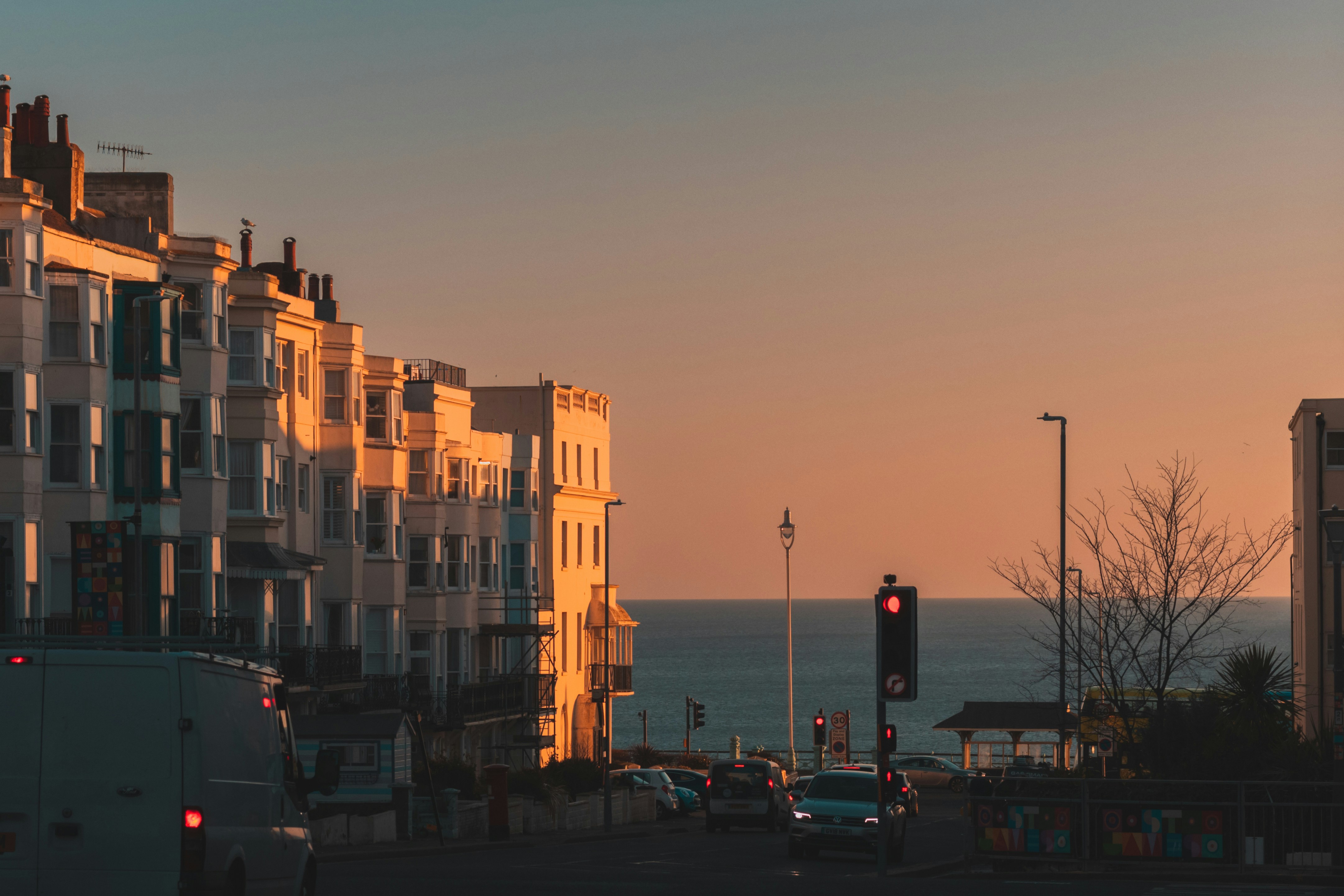
Each season brings its own character. Summer sees the beach claimed by visitors, the pubs overflowing, and festivals taking over various venues. The Artists Open Houses event transforms hundreds of homes into temporary galleries. Autumn brings a mellower atmosphere, with golden light painting the Regency squares in warm tones. Winter storms can be dramatic, waves crashing against the seafront with impressive force, while Christmas sees the Royal Pavilion illuminated spectacularly. Spring arrives with the first brave swimmers venturing into still-cold waters and the gardens around town bursting into bloom.
Living Contrasts
What strikes many visitors most powerfully isn't any single landmark or attraction, but rather the way contradictions coexist comfortably here. Genteel Regency elegance sits alongside punk rock attitude. Traditional seaside amusements share space with cutting-edge art installations. Elderly residents who've lived here for decades cross paths with students just beginning their adult lives. Wealth and deprivation exist within blocks of each other, sometimes within the same streets.
These tensions haven't been resolved or smoothed away – they've been accepted as part of the town's essential character. This tolerance for ambiguity, this comfort with contradiction, might be what defines the place more than any architectural style or cultural institution.
As evening approaches and the sun begins its descent toward the horizon, casting long shadows across those endless pebbles, the seafront takes on yet another personality. Lights flicker on along the pier, pubs begin to fill, and somewhere in a basement venue, a band nobody's heard of yet prepares to play to a handful of devoted fans. The city continues its endless performance, the same show that's been running for centuries but never quite the same from one night to the next. For those seeking something similar but different, Liverpool offers its own distinctive blend of maritime heritage and creative rebellion on England's opposite coast.


 Home
Home Wishlist