
Calvià: Where Mediterranean Dreams Meet Balearic Reality
A Coastline of Contrasts
The shoreline has been shaped by decades of development, yet pockets of natural beauty remain fiercely protected. From the gentle slopes leading down to Palmanova's crescent bay to the dramatic cliffs framing Cala Fornells, diversity defines every kilometer. Each beach possesses its own character – some have been transformed into vibrant hubs of activity, while others retain a quieter appeal that speaks to those seeking respite from the crowds.
Santa Ponça's wide sandy beach draws families who appreciate calm waters and comprehensive facilities. Further west, the smaller coves around Paguera offer more intimate settings where pine trees provide natural shade. These beaches weren't always so accessible – many paths leading to hidden calas were carved out by fishermen generations ago, their weathered steps still visible beneath modern walkways.
Things to do in Calvia
The Weight of History
The municipality's story reaches back far beyond the tourism boom of the 1960s. Evidence of Talayotic settlements scattered across the interior reminds visitors that human presence here dates back over three thousand years. These ancient stone structures, built by Bronze Age communities, stand as silent witnesses to countless generations who worked this land.
In 1229, the beach at Santa Ponça was chosen by King James I of Aragon for his landing during the conquest of Mallorca. A stone cross now marks the spot where his forces came ashore, beginning a campaign that would reshape the island's cultural identity forever. The event gets commemorated annually, with locals gathering to remember this pivotal moment that brought Catalan influence to Balearic shores.
Villages Suspended in Time
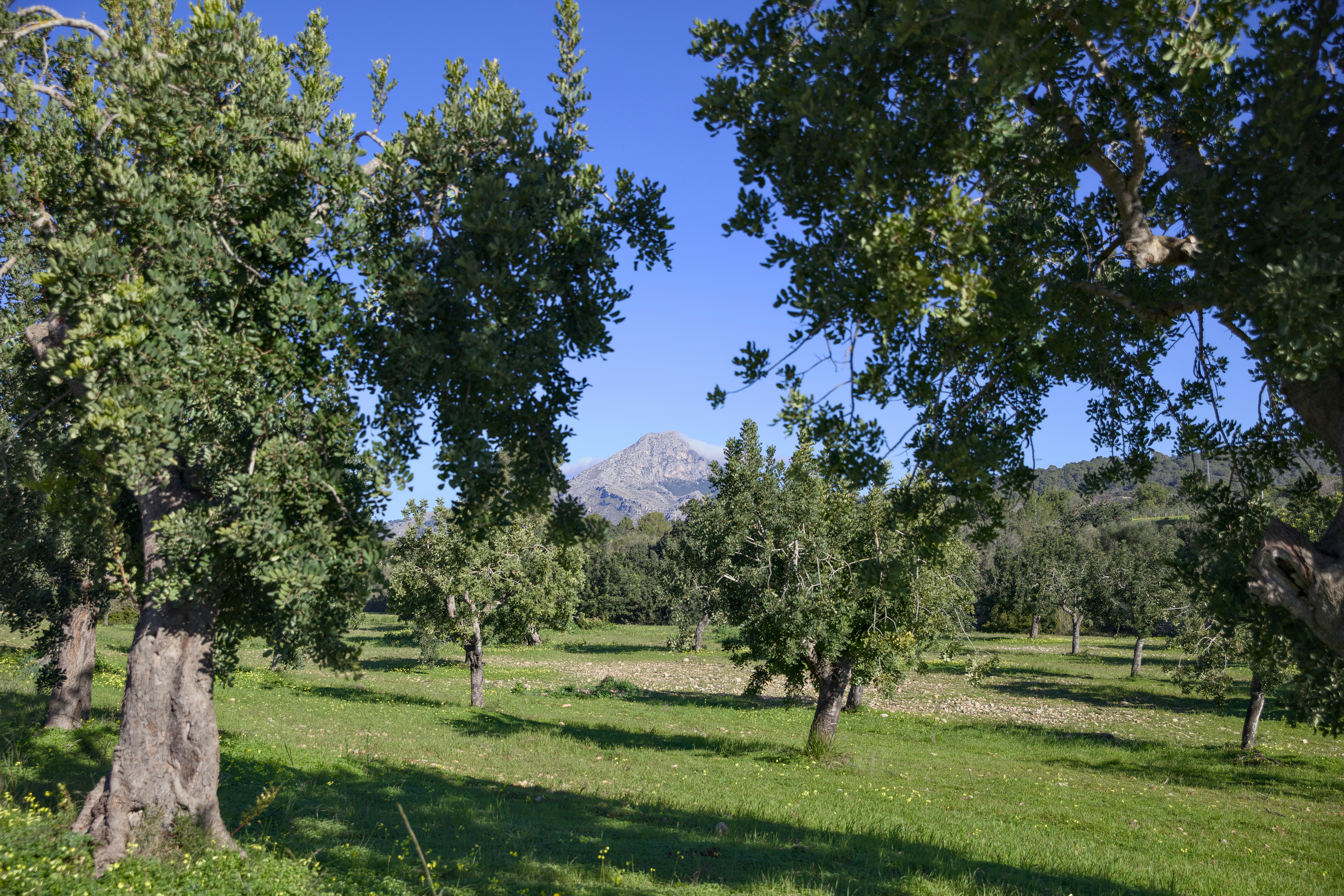
Inland from the coastal developments, traditional villages maintain rhythms of life that feel wonderfully disconnected from the beach scene below. Es Capdellà, with its narrow streets and stone houses, could easily be mistaken for a location untouched by the modern world. Locals still gather in the village square for morning coffee, conversations flowing in Mallorquín, the island's distinct Catalan dialect.
Galilea, positioned at one of the highest points in the region, offers panoramic views that stretch across the entire southwestern coast. The village church, with its modest bell tower, has watched over surrounding farmland for centuries. On clear days, the neighboring island of Cabrera can be spotted on the horizon, a distant smudge of land floating between sea and sky.
Transformation and Tourism
The explosion of package tourism in the latter half of the twentieth century transformed this once-agricultural region almost overnight. Farmland was purchased, hotels were constructed, and infrastructure rapidly developed to accommodate the flood of northern European visitors seeking Mediterranean sunshine. The speed of change was staggering – within a generation, fishing villages evolved into purpose-built resort towns.
Magaluf, perhaps the most famous of these developments, became synonymous with a particular brand of holiday experience. Its reputation was built on nightlife, beach clubs, and affordable package deals that attracted millions. The town has long divided opinion – celebrated by some for its energy and vibrancy, criticized by others for excess and environmental impact.
A Shift in Direction
Recent years have witnessed a conscious effort to rebrand and diversify. Local authorities recognized that overdependence on one tourism model created vulnerability. Initiatives promoting sustainable tourism, cultural experiences, and higher-quality accommodations were introduced. Historic buildings have been restored, hiking trails developed, and local gastronomy celebrated.
The results of these efforts can be observed throughout the municipality. Boutique hotels occupying renovated fincas now offer alternatives to sprawling resort complexes. Agrotourism experiences allow visitors to participate in olive harvests or learn traditional cooking methods. These changes reflect a broader desire to showcase the region's authentic character beyond its beaches.
Natural Treasures Protected
Environmental consciousness has grown alongside tourism development. The Serra de Tramuntana, which forms the municipality's northern boundary, gained UNESCO World Heritage status in 2011, recognizing its outstanding cultural landscape. Within municipal borders, several areas have been designated as natural parks or protected zones.
La Reserva Puig de Galatzó offers visitors a chance to explore rugged terrain through marked trails that wind past waterfalls and through forest. The reserve demonstrates what much of the region looked like before development – wild, dramatic, and beautiful in its untamed state. Conservation efforts here extend to protecting endemic species and maintaining traditional agricultural practices on surrounding land.
Culinary Traditions Endure
Despite cosmopolitan influences brought by international visitors, traditional Mallorcan cuisine maintains its presence. Local restaurants continue serving tumbet, a hearty vegetable dish layered with potatoes, eggplant, and peppers, topped with tomato sauce. Sobrassada, the island's distinctive cured sausage, appears on menus alongside more contemporary offerings.
Village bakeries still produce ensaïmada, the sweet spiral pastry dusted with powdered sugar that has become emblematic of Balearic baking traditions. These pastries were traditionally prepared for special occasions, though now they can be found daily. The recipe, passed down through generations, requires skill and patience – qualities that reflect the island's culinary philosophy.
Between Two Worlds
The duality that defines this municipality creates both tension and opportunity. Resort areas buzz with activity while nearby villages maintain their unhurried pace. Modern marinas filled with luxury yachts exist minutes from ancient stone houses where chickens scratch in dusty yards. This juxtaposition might seem jarring, yet somehow it functions.
Local residents navigate between these worlds daily – working in tourism by day, returning to traditional village life by evening. This balance requires constant negotiation, as economic benefits from tourism must be weighed against preservation of cultural identity and environmental protection. The conversation continues, evolving with each generation.
Looking Forward
Questions about the future shape ongoing discussions among residents and officials alike. How much development can be sustained? What balance between tourism and local life serves everyone best? These aren't simple questions, and answers remain contested. What seems clear, however, involves a growing recognition that sustainable practices and authentic experiences will define success in coming decades.
The municipality stands at a crossroads, capable of learning from past mistakes while building on genuine strengths. Its beaches will always draw visitors, but increasingly, the stories behind those beaches – the history, culture, and natural beauty that existed long before the first hotel was built – capture imaginations too.
As sunset paints the sky above the Mediterranean in shades of amber and rose, the day's heat finally begins to ease. Families pack up beach belongings while restaurant terraces start filling with diners. Somewhere inland, church bells mark the evening hour in a village where time moves differently. Both scenes belong to the same place, two faces of a region still discovering how to honor its past while embracing its present. And perhaps, for those willing to look beyond the obvious, that complexity itself becomes the greatest attraction. For travelers seeking similar coastal experiences elsewhere in Europe, destinations like Travemunde offer their own unique blend of seaside charm and cultural heritage worth exploring.


 Home
Home Wishlist