
Cardiff: Where Welsh Heritage Meets Modern Ambition
Fortress at the Center
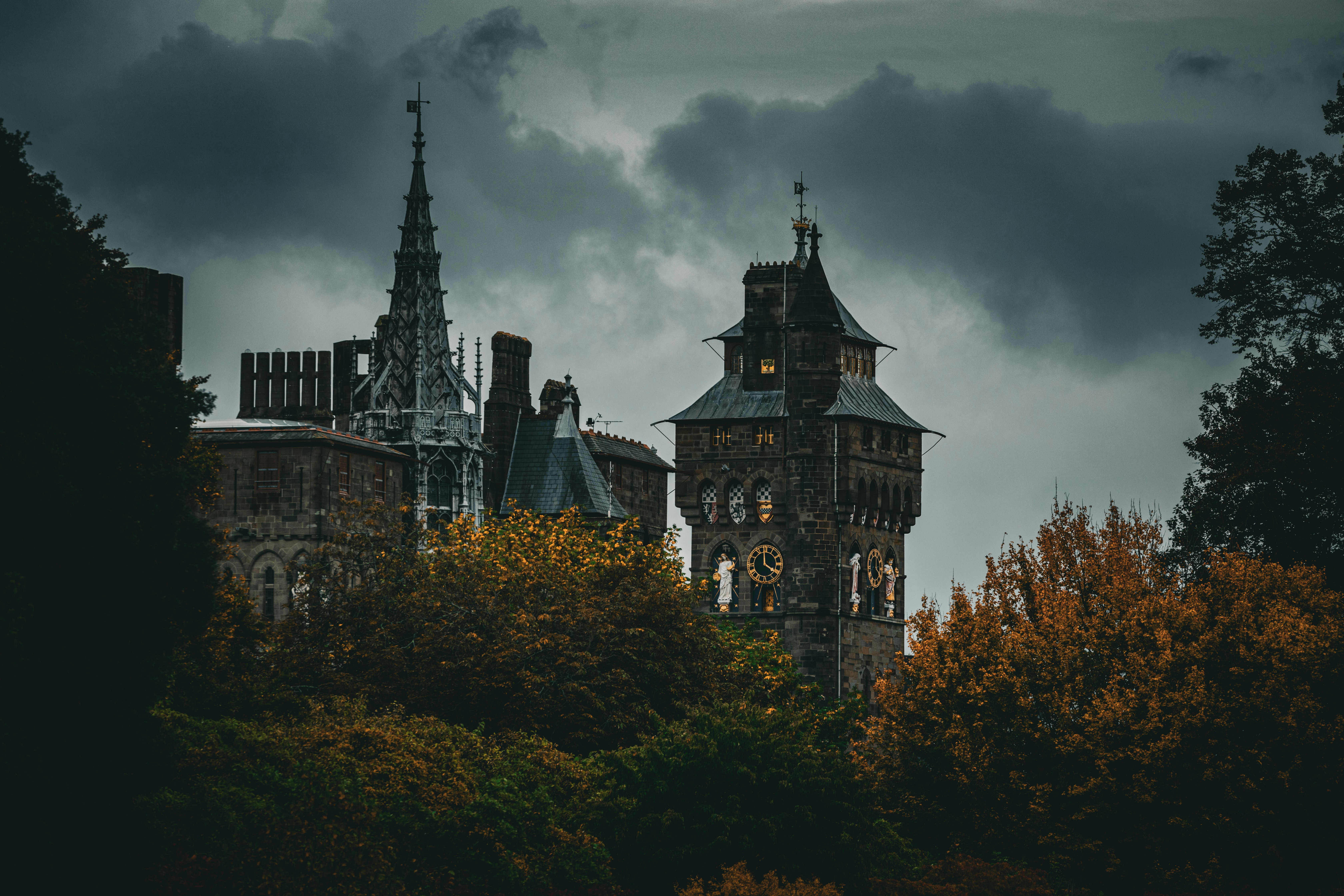
At the city's heart, an extraordinary sight greets visitors. Cardiff Castle, with its Victorian Gothic revival towers and medieval keep, has been positioned at the center of urban life for nearly two millennia. Originally, a Roman fort was established on this site in the 1st century AD, its defensive walls meant to protect against threats from the Welsh interior.
The Norman keep, added in the 11th century, still watches over the grounds from its elevated mound. But the real surprise gets unveiled inside the castle walls, where lavish Victorian apartments were created in the 19th century by architect William Burges for the 3rd Marquess of Bute. These rooms, dripping with gold leaf, intricate wood carvings, and Pre-Raphaelite murals, seem almost hallucinogenic in their opulence. That such fantasy was crafted within ancient defensive walls speaks to Wales's complex relationship with both its past and the wealth generated during the Industrial Revolution.
Things to do in Cardiff
Coal, Steel, and Transformation
The story of modern Cardiff cannot be told without acknowledging the coal that made it one of the world's most important ports. Throughout the 19th and early 20th centuries, "black gold" from the South Wales Valleys was transported down to Cardiff Bay, where it was loaded onto ships bound for destinations across the globe. At its peak in 1913, over 10 million tons of coal passed through the docks annually.
The wealth generated by this trade was staggering. Grand civic buildings were commissioned – the City Hall, the National Museum – their Portland stone facades and baroque domes expressing confidence and ambition. Yet this prosperity was built on the backs of miners working in dangerous conditions, their communities shaped by hardship as much as by solidarity.
When the coal industry collapsed in the latter half of the 20th century, Cardiff Bay was left derelict. Mudflats stretched where ships had once been moored. The decision was then made to undertake one of Europe's most ambitious waterfront regeneration projects. A barrage was constructed, creating a permanent freshwater lake and enabling the development of a entirely new district.
A Bay Reborn
Today, Cardiff Bay stands as testament to successful urban renewal. The Wales Millennium Centre, opened in 2004, has become the architectural icon of this transformation. Its bronze-colored facade, inscribed with poetry in Welsh and English, catches the light differently throughout the day. Inside, world-class performances get staged – opera, ballet, theater, and music that draws audiences from across Wales and beyond.
Nearby, the Senedd – the Welsh Parliament building – was designed with transparency quite literally in mind. Its glass walls and open public spaces were intended to make democracy visible and accessible. The building's wooden funnel ceiling, constructed from Welsh materials, has been admired as much for its acoustic properties as its aesthetic appeal.
Former industrial buildings have been converted into restaurants, galleries, and apartments. The Norwegian Church, once a place of worship for Scandinavian sailors, now serves as a café and cultural venue. It was here that Roald Dahl was christened, the author having been born in the nearby suburb of Llandaff to Norwegian parents.
Language and Identity
Walking through the city center, bilingual signage appears on every corner. Welsh, one of Europe's oldest living languages, was nearly extinguished during centuries when its use was discouraged and sometimes punished. Today, it has been revitalized through deliberate policy and cultural pride. In schools throughout Wales, children study in Welsh-medium education, ensuring the language passes to new generations.
This linguistic revival reflects broader questions about Welsh identity. The country has been bound to England politically since the 13th century, yet maintains distinct traditions, legal systems (in some areas), and cultural expressions. The establishment of the Senedd in 1999 marked a significant moment of devolution, allowing Wales greater control over its own affairs.
Sporting Passion
On match days, the Principality Stadium becomes the focal point of national emotion. This arena, with its retractable roof and capacity for over 74,000 spectators, hosts rugby internationals, football matches, and major concerts. When Wales plays, particularly in rugby union, the city throbs with anticipation.
The singing that erupts from the stands – "Bread of Heaven," "Calon Lân," and other hymns – has been described as among the most moving sounds in world sport. These songs, many with religious origins, express something fundamental about Welsh culture: a combination of passion, community, and connection to the land.
A Capital of Culture
Beyond the stadium and the bay, Cardiff's cultural offerings have expanded considerably. The National Museum Cardiff houses an impressive collection, including one of Europe's finest impressionist galleries. Works by Monet, Renoir, and Cézanne hang in rooms that see fewer crowds than their London equivalents, allowing for more contemplative viewing.
The St Fagans National Museum of History, set in parkland on the city's outskirts, takes a different approach. Here, historic buildings from across Wales have been reconstructed and furnished to show how people lived through different periods. Thatched cottages stand near medieval halls and Victorian schoolrooms, creating a three-dimensional timeline of Welsh life.
Green Spaces and Hidden Corners
Despite its urban density, the Welsh capital offers surprising amounts of greenery. Bute Park, extending from the castle grounds along the River Taff, provides miles of walking paths through mature woodland. On summer afternoons, students lounge on the grass, families picnic, and joggers trace routes past the river's gentle curves.
The city's Victorian arcades – covered shopping streets built in the 19th century – remain wonderfully intact. These passages, with their decorative tilework and wrought-iron details, house independent boutiques, vintage shops, and cafés. They feel worlds away from modern shopping centers, offering a more intimate retail experience.
Flavors of Wales
The culinary scene has evolved dramatically in recent years. Welsh ingredients – lamb from the Brecon Beacons, seafood from the Gower Peninsula, cheeses from small producers – get showcased in restaurants ranging from traditional pubs to Michelin-starred establishments.
At Cardiff Market, a Victorian covered market still operating in the city center, vendors sell laverbread (a seaweed preparation), Welsh cakes (griddle cakes with currants), and other regional specialties. The market's cast-iron structure and glass roof create atmospheric lighting, particularly on rainy days when shoppers seek shelter while browsing stalls.
Looking Forward
As Wales continues to define its place within the United Kingdom and Europe, its capital evolves accordingly. Tech companies have been attracted by lower costs compared to London and a growing talent pool from local universities. Creative industries flourish, supported by institutions like BBC Wales and S4C, the Welsh-language broadcaster.
Challenges remain – economic inequality, public transport limitations, questions about post-industrial employment. Yet the city that rose from Roman fort to medieval stronghold to coal metropolis has proven its capacity for reinvention time and again.
Evening descends, and lights begin twinkling across the bay. The castle walls, illuminated now, glow amber against the darkening sky. In pubs throughout the city center, conversations flow in Welsh and English, often interchangeably. Tomorrow, the streets will fill again with workers, students, tourists, and residents going about their lives in this city that wears its heritage proudly while keeping its eyes fixed firmly on what comes next. Those considering exploring more of Britain's diverse urban landscapes might also find themselves drawn to Glasgow, where industrial heritage similarly tells a story of transformation and resilience.


 Home
Home Wishlist