
Catania: Where Fire and Sea Shape a City
Born from Fire
The story written here cannot be separated from the towering volcano that dominates its skyline. Mount Etna, Europe's most active volcano, has determined the city's fate time and again. The catastrophic eruption of 1669 buried much of the medieval town under rivers of molten rock, while the devastating earthquake of 1693 reduced what remained to rubble. Yet from this destruction, something remarkable was created.
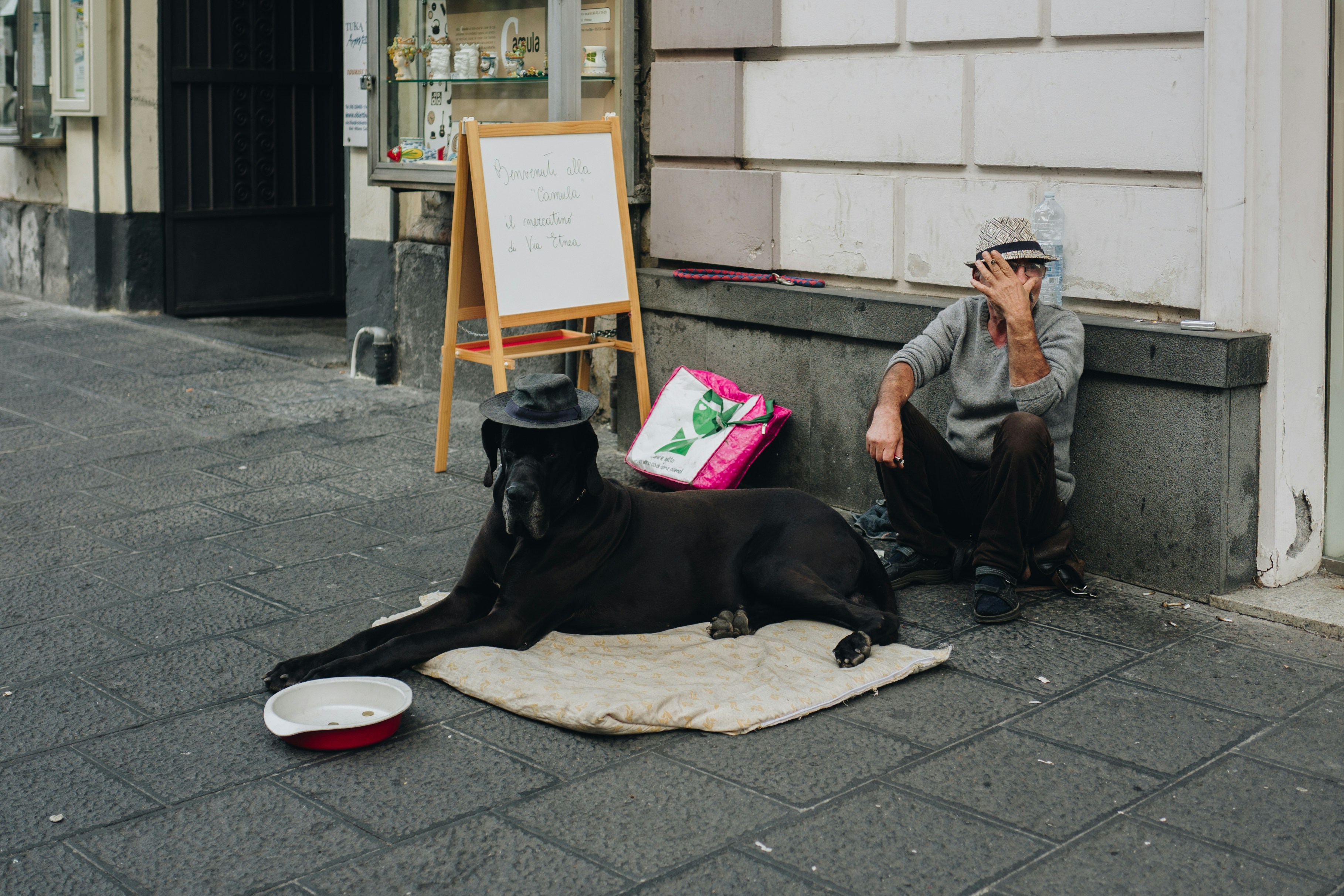
Walking through Via Etnea, the main thoroughfare that runs straight toward the volcano's slopes, the city's relationship with its volatile neighbor becomes clear. Buildings crafted from dark basalt line the street, their façades weathered by centuries of salt air and volcanic dust. This black stone, quarried from ancient lava flows, gives the urban landscape a distinctive character – both somber and striking. When sunlight hits these surfaces at certain angles, tiny crystals embedded in the rock catch the light, making entire buildings shimmer like coal dusted with stars.
Things to do in Catania
Baroque Resurrection
The reconstruction that followed the 1693 earthquake transformed the urban landscape into one of Sicily's finest examples of baroque architecture. Under the direction of architect Giovanni Battista Vaccarini, an entirely new city center was designed. Piazza del Duomo, the magnificent heart of this reimagined metropolis, exemplifies the ambition of this rebuilding effort.
The Cathedral of Sant'Agata, dedicated to the city's beloved patron saint, was reconstructed with a stunning baroque façade that masks its Norman-era foundations. Inside, the tomb of the composer Vincenzo Bellini, perhaps the city's most famous son, can be found – a reminder that artistic genius has been nurtured here alongside architectural splendor. The church's interior, with its soaring columns and frescoed ceiling, creates a sense of upward movement, as if the entire structure might ascend toward heaven.
At the center of the piazza stands the Fontana dell'Elefante, the city's symbol since 1736. The small elephant carved from black lava stone bears an Egyptian obelisk on its back – a curious amalgamation of ancient cultures that speaks to the city's layered history. Local legend suggests the elephant possesses magical powers, protecting residents from Etna's eruptions. Whether one believes in such magic or not, the statue has become beloved, its image reproduced on everything from postcards to bakery signs.
Layers of Time
Beneath the baroque splendor, earlier civilizations have left their marks. The Teatro Romano, a well-preserved ancient theater dating to the 2nd century AD, sits in the city's historic core, half-hidden among residential buildings. During summer evenings, performances still take place here, just as they did when Greek colonists first settled this coast in the 8th century BC. The juxtaposition feels surreal – laundry hanging from balconies overlooking stone seats where Roman citizens once watched theatrical dramas unfold.
Nearby, the Odeon, a smaller covered theater used for musical performances and rehearsals, has been excavated and partially restored. These ruins, incorporated into the living city rather than isolated as museum pieces, create a sense of continuity with the past. Residents pass by two-thousand-year-old columns on their way to buy bread, seemingly unbothered by the historical weight surrounding them.
A Market Like No Other
To understand the soul of this place, one must visit La Pescheria, the fish market that operates every morning except Sunday in the shadow of the cathedral. The moment you approach, your senses become overwhelmed. The sound of vendors calling out prices in thick Sicilian dialect mixes with the slap of fresh fish being laid on marble slabs. The smell of the sea permeates everything.
The market occupies a small piazza where blood-red tuna, silvery swordfish, writhing octopi, and countless other creatures from the Ionian depths get displayed on beds of ice. Vendors wield long knives with practiced ease, filleting fish with swift, confident strokes. Water runs constantly through channels in the cobblestones, washing away scales and blood, while seagulls wheel overhead, hoping for scraps.
This daily ritual has been performed here for centuries, and its theater remains compelling. Older women in black dresses examine the merchandise with expert eyes, negotiating prices with vendors they've known for decades. Tourists stand slightly overwhelmed at the periphery, cameras in hand, unsure whether to feel fascinated or horrified by the raw, unromantic reality of where dinner comes from.
The Shadow of Etna
The volcano cannot be ignored. On clear days, its perfect cone dominates the horizon, often crowned with snow even when the city below swelters in summer heat. At night, if you're lucky – or unlucky, depending on your perspective – a red glow can be seen at the summit, evidence of the restless magma beneath.
The slopes of Etna have been cultivated for millennia. Volcanic soil, rich in minerals, produces exceptional crops. Vineyards clinging to the mountainside yield wines with a distinctive mineral character, while pistachios, blood oranges, and other fruits grow with intense flavors rarely found elsewhere. Entire villages dot the volcano's flanks, their residents living with the knowledge that everything could change in an instant.
For visitors seeking adventure, excursions to Etna's higher elevations can be arranged. Cable cars carry passengers to nearly 3,000 meters, where specialized vehicles continue toward the summit craters. The landscape here feels otherworldly – a barren moonscape of black sand, sulfurous vents, and hardened lava formations. Standing on the rim of an active crater, feeling the heat rising from below, one gains profound respect for the forces that shaped this land and continue to reshape it today.
Culinary Traditions
Sicilian cuisine reaches particular heights here on the island's eastern shore. Pasta alla Norma, the signature dish named after Bellini's opera, combines fried eggplant, tomato sauce, ricotta salata, and basil in a combination that tastes simultaneously simple and profound. The dish was supposedly named when a local food critic declared it as magnificent as Bellini's masterwork – high praise indeed.
Street food culture thrives in these narrow lanes. Arancini, rice balls stuffed with various fillings and fried until golden, can be bought from small shops throughout the historic center. Local variations include versions filled with pistachio cream or squid ink-flavored rice. Cartocciata, a pastry filled with greens and cheese, makes for a quick breakfast, while granita – shaved ice topped with fruit syrup or almond milk – provides relief from the afternoon heat.
For those with a sweet tooth, the local cassata and cannoli rival any found elsewhere in Sicily. Small bakeries guard their recipes jealously, each claiming their version to be the most authentic. The truth matters less than the pleasure of sitting at a small table with an espresso and a pastry, watching the endless human parade flow past.
Living Between Worlds
Modern life here exists in constant dialogue with the past. University students, descendants of those who rebuilt after earthquakes and eruptions, fill the cafés and bars around Piazza Università. The city's youthful energy provides a counterpoint to its weighty history, ensuring that this remains a living, breathing place rather than an open-air museum.
In the evening, the passeggiata begins – that quintessentially Italian ritual of strolling through town to see and be seen. Via Etnea fills with families, couples, groups of friends, all walking, talking, stopping for gelato or aperitivo. The volcano looms in the distance, backlit by the setting sun, a reminder of both vulnerability and resilience.
The city's cultural calendar includes the Festa di Sant'Agata each February, one of the world's largest religious festivals. For three days, the silver reliquary containing the saint's remains gets carried through the streets by devotees dressed in white sacks and black caps. Hundreds of thousands of pilgrims attend, many fulfilling vows made in exchange for miracles received. The fervor on display during this festival reveals something essential about the local character – a deep-rooted faith born from living under constant threat.
Beyond the Center
The coastline north of the city offers dramatic scenery where lava flows have met the sea, creating bizarre rock formations and small coves. The Riviera dei Ciclopi, named after the mythical cyclops who supposedly hurled rocks at Odysseus, features a series of striking basalt formations rising from the turquoise water. In the small village of Aci Trezza, these stones – said to be the boulders thrown by the blinded Polyphemus – create a landscape that seems pulled from myth into reality.
To the south, the Parco Archeologico Greco Romano di Siracusa offers another day trip option, while those drawn to coastal beauty might venture toward Taormina, where an ancient Greek theater overlooks one of the Mediterranean's most photographed views.
The experience offered here differs from that of other Italian destinations. This city makes no effort to soften its edges or package its charms for easy consumption. The reward for those who take time to explore beyond surface impressions comes in the form of authentic encounters with a place where history weighs heavy, where nature commands respect, and where life gets lived with passionate intensity. Between the fire of Etna and the cool Ionian waves, something rare persists – a city that remains defiantly, magnificently itself.


 Home
Home Wishlist