
Hamburg: Where Maritime Heritage Meets Modern Ambition
The Harbor's Heartbeat
Dawn breaks over the port, and already the machinery hums with purpose. Container ships from Asia unload their cargo while smaller vessels navigate through channels that have been deepened and widened countless times over centuries. The harbor area spans nearly 75 square kilometers, making it one of Europe's busiest maritime gateways. From the Landungsbrücken piers, ferries depart at regular intervals, their passengers treated to views that reveal the city's industrial soul.
Walking through the harbor at sunrise offers a particular magic. Mist rises from the water's surface, softening the edges of cranes and cargo containers. The smell of salt and diesel mingles with fresh coffee from dockside cafes where early workers gather before their shifts. This has been the lifeblood of the city since the Holy Roman Emperor Frederick I granted it free trading rights in 1189. That medieval charter laid the foundation for what would become one of the Hanseatic League's most powerful members.
Things to do in Hamburg
Architectural Statements
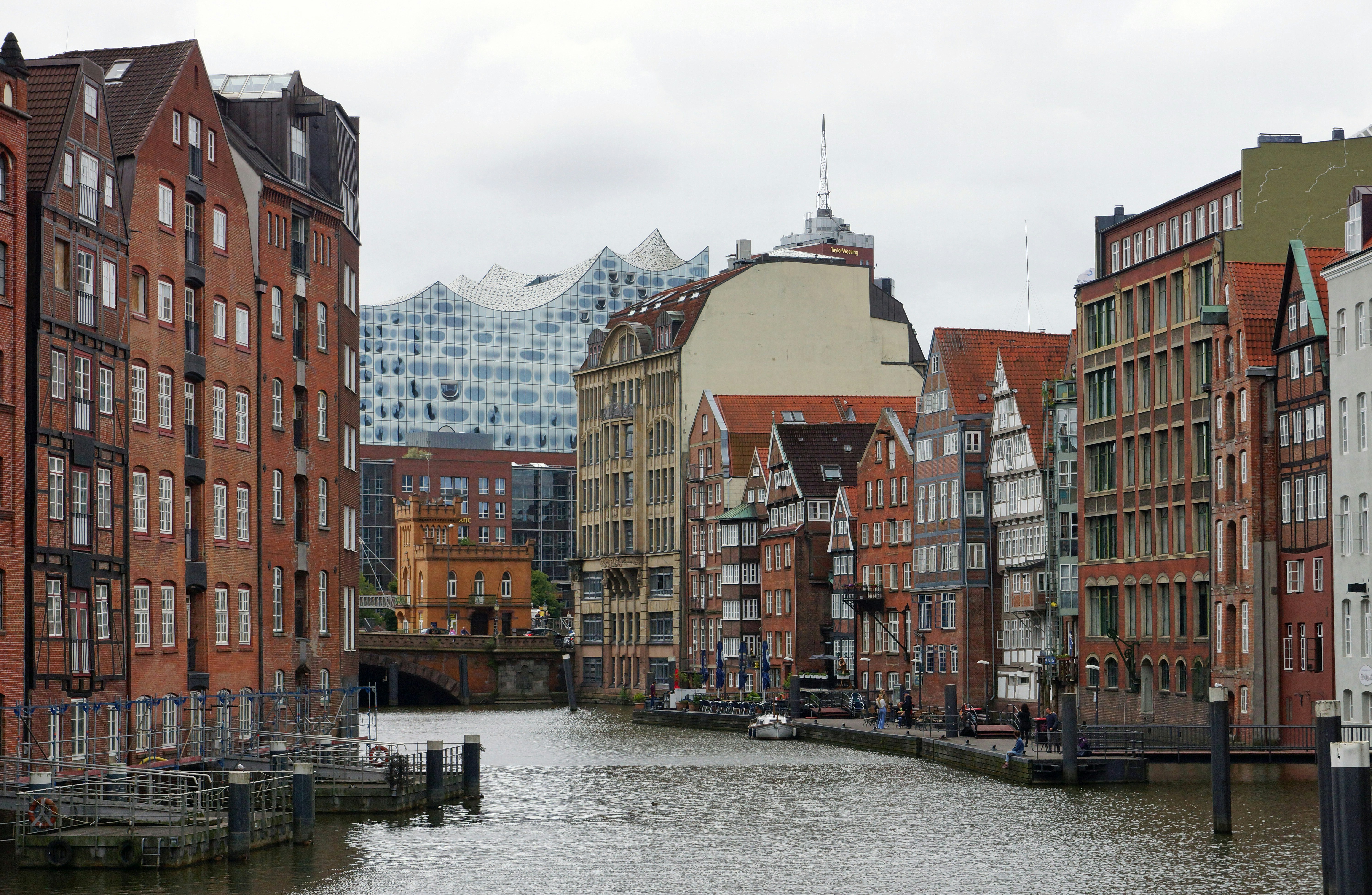
The Speicherstadt district stands as a monument to the golden age of international commerce. These red-brick warehouses, built between 1883 and 1927, rise directly from the water on timber-pile foundations. Their Gothic Revival facades reflect in the canals below, creating mirror images that blur the line between structure and reflection. Today, these former storage facilities have been transformed into museums, galleries, and offices, yet they retain the austere dignity that comes from functional design.
In stark contrast, the Elbphilharmonie commands attention from its position atop an old warehouse at the western end of HafenCity. Completed in 2016, this concert hall's wave-like glass structure catches light and scatters it across the harbor waters. The building has been praised and criticized in equal measure, but indifference toward it remains impossible. Its grand plaza, accessible to the public, offers panoramic views across the port and city skyline.
Cultural Currents
Beyond the waterfront, neighborhoods reveal distinct personalities shaped by centuries of migration and cultural exchange. The Schanzenviertel pulses with alternative energy – independent boutiques occupy converted storefronts, street art adorns walls, and cafes serve fair-trade coffee to students and artists. This was once a working-class district; gentrification has crept in, bringing both vitality and tension.
The Kunsthalle museum houses collections that span seven centuries. Old Masters hang in galleries designed for contemplation, while contemporary installations challenge visitors in adjacent wings. The museum's breadth reflects a city that has always looked outward, absorbing influences from trading partners and artistic movements alike. Works by local Romantic painter Caspar David Friedrich share space with pieces by Rembrandt, Monet, and Warhol.
A City Rebuilt
Scars from the Second World War run deep. During Operation Gomorrah in July 1943, incendiary bombs created a firestorm that killed an estimated 42,000 people and destroyed vast swaths of the city. The reconstruction that followed prioritized functionality over historical accuracy. Some lament the loss of medieval character, while others appreciate the pragmatic approach that allowed rapid rebuilding.
St. Nikolai Church was left in ruins intentionally, its skeletal spire now serving as a memorial to war victims. Standing beneath its hollow shell, visitors can see how high the bombs fell, how completely they consumed stone and spirit. The site asks uncomfortable questions about destruction, remembrance, and the cycles of violence that sweep through human history.
Maritime Traditions
The annual harbor birthday celebration draws over a million visitors each May. Historic sailing ships dock at the piers, their wooden hulls and canvas sails a reminder of the vessels that once carried spices, textiles, and dreams across oceans. A parade of boats – from tugboats to tall ships – processes through the harbor while spectators line the banks and bridges.
Fish markets have been held at St. Pauli every Sunday morning since 1703. Today's version maintains the raucous energy of its predecessor, with vendors shouting prices for produce, flowers, and seafood. The market operates from the early hours until mid-morning, when locals and tourists alike have filled their bags and satisfied their curiosity about this centuries-old tradition.
Green Spaces and Water Ways
Planten un Blomen park offers respite from urban density. Its name, in the local Low German dialect, translates simply to "plants and flowers." Japanese gardens feature carefully pruned trees and tranquil ponds, while the old botanical garden section showcases plant species from varied climates. On summer evenings, water-light concerts transform the park's lake into a choreographed display of fountains synchronized to music.
The Alster lakes – actually a widened section of the Alster River – provide recreational space in the heart of the city. Sailboats glide across the Außenalster's surface on breezy afternoons, while joggers circle its perimeter. The smaller Binnenalster, surrounded by elegant buildings and busy streets, serves as a gathering point where fountain spray catches afternoon sun.
Culinary Character
Maritime heritage influences local cuisine in expected ways. Herring appears on menus in various preparations – pickled, fried, or served in cream sauce. Labskaus, a traditional sailor's dish of corned beef, potatoes, and beetroot, might not win beauty contests but satisfies appetites shaped by northern weather. More refined interpretations of seafood can be found in restaurants throughout the city, where chefs apply modern techniques to traditional ingredients.
The Portuguese quarter in the Schanzenviertel reflects the community of Portuguese immigrants who settled here in the 1960s. Their restaurants serve grilled sardines, bacalhau, and pastéis de nata to enthusiastic crowds. This culinary enclave demonstrates how the city continues to absorb and celebrate diverse influences.
Innovation and Industry
The city's economic foundation has shifted over recent decades. While the port remains significant, aerospace, media, and renewable energy sectors have gained prominence. Wind turbine manufacturers and maritime technology firms cluster in industrial parks, their research labs developing solutions for sustainable shipping and energy production.
The media industry has deep roots here. Publishing houses have operated from the city for centuries, and today major newspapers, magazines, and digital media companies maintain headquarters or significant offices. Recording studios have produced countless albums, and the musical theater scene draws audiences from across Europe to productions that run for years.
Nightlife and Entertainment
The Reeperbahn, running through the St. Pauli district, has earned its reputation as one of Europe's most notorious nightlife strips. Its history as a red-light district remains visible, though gentrification and regulation have tamed some of its rougher edges. Music clubs line the street, their stages having hosted everyone from The Beatles during their formative years to contemporary acts across every genre.
Beyond the Reeperbahn's neon glow, smaller venues throughout the city offer jazz, classical chamber music, electronic dance nights, and experimental performances. The cultural calendar remains packed regardless of season, with options ranging from underground art spaces to established theaters.
The contrast between northern Germany's mercantile pragmatism and the Mediterranean warmth found in places like Munich reflects the diverse character woven throughout the country. Where one city built its identity through water and international trade, another draws strength from alpine proximity and southern European influences. Both demonstrate how geography shapes culture in profound ways.


 Home
Home Wishlist