
Ibiza: Where Ancient Mysteries Meet Modern Rhythms
Layers of Ancient Memory
Long before electronic beats echoed across dance floors, this island was already considered sacred ground. The Phoenicians arrived around 654 BC and named their settlement Ibosim, dedicating it to Bes, their god of music and dance – a fitting patron deity, as history would later prove. The ancient necropolis of Puig des Molins holds over 3,000 underground tombs, making it one of the most significant Phoenician burial sites in the Mediterranean. Today, these silent chambers can be explored through a modern museum that brings forgotten rituals and beliefs back to light.
The historic quarter of Dalt Vila rises above the harbor like a crown of honey-colored stone. These fortified walls, built by the Spanish in the 16th century, were designed to protect against Ottoman raids and North African pirates. Walking through the Portal de ses Taules, the main gateway, feels like passing through a threshold between centuries. Narrow cobblestone streets wind upward past galleries, boutique hotels, and restaurants housed in buildings that have witnessed empires rise and fall.
Things to do in Ibiza
Beyond the Stereotypes
While the island's reputation has been built largely on its nightlife, this represents just one facet of a much more complex identity. Yes, legendary clubs have drawn music pilgrimage seekers since the 1970s, when hippies first discovered the island's liberating atmosphere. These venues – temples of sound where world-renowned DJs command followings that rival rock stars – have helped define global electronic music culture for decades.
But step away from the neon-lit strips, and a different rhythm gets discovered. In the north, traditional villages like Sant Joan and Sant Miquel preserve ways of life that predate the tourism boom. Church squares fill with locals on Sunday mornings. Markets overflow with produce grown in red earth that has been cultivated for generations. Here, Ibizan dialect can still be heard – a variant of Catalan that carries traces of the island's layered history.
Where Land Meets Water
The coastline unfolds like a storybook of contrasts. Cala d'Hort offers front-row seats to Es Vedrà, the mysterious limestone monolith that rises 400 meters from the sea. Legends have been woven around this uninhabited rock – tales of sirens, UFO sightings, and magnetic anomalies that allegedly make it the third most magnetic point on Earth. Whether myth or reality, something undeniably powerful gets felt when watching the sunset paint Es Vedrà in shades of amber and violet.
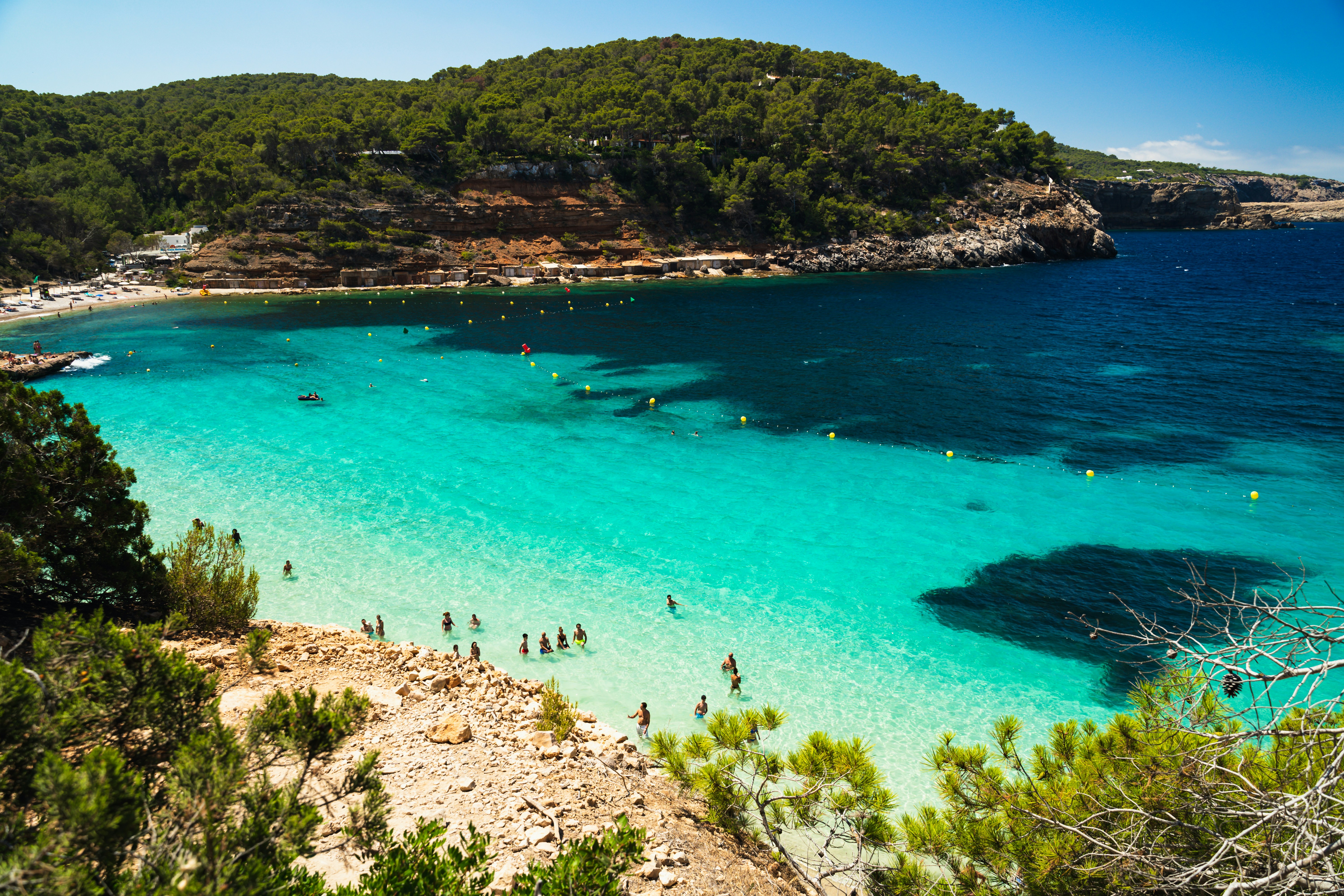
To the north, Cala Xarraca's shallow turquoise waters remain relatively untouched by development. Families spend entire days here, picnicking on rocks warmed by the sun. Snorkelers drift above underwater meadows of posidonia, the ancient seagrass that has earned UNESCO protection and gives the surrounding waters their remarkable clarity.
Beaches range from the popular stretches of Playa d'en Bossa, where beach clubs pulse with music from morning until sunset, to hidden coves accessible only by footpath or boat. Cala Comte has been blessed with sand that seems to glow gold against waters that shift from deep sapphire to pale jade depending on the depth and time of day.
The Creative Spirit
Something about this island has always attracted those seeking alternative ways of living. In the 1930s, European intellectuals fleeing political turmoil found refuge here. The 1960s brought the hippies, who established communities in the countryside and held markets that continue today at Las Dalias and Punta Arabí. These gatherings became showcases for handmade jewelry, flowing clothing, and the bohemian aesthetic that still defines much of the island's style.
Artists' studios dot the landscape, tucked into converted fincas and village houses. Galleries in Dalt Vila and Santa Gertrudis display works inspired by the island's distinctive light – that particular quality of illumination that has been praised by painters for generations. The colors here seem more saturated, the contrasts more dramatic, as if the very air has been designed to enhance visual experience.
Farm to Table, Sea to Plate
The culinary scene has evolved dramatically over the past two decades. Traditional dishes remain central to the island's identity – bullit de peix, a fish stew served with rice, gets passed down through families along with the recipes for sofrit pagès, a hearty meat and potato stew flavored with local herbs. These dishes were born from necessity, created by farmers and fishermen using whatever ingredients the island provided.
Today, innovative chefs have been inspired by these humble origins while incorporating global techniques and presentations. Restaurants hidden in the countryside serve multi-course tasting menus where each dish tells a story about the island's agriculture and traditions. Fresh fish gets grilled simply with just olive oil and lemon, allowing the quality to speak for itself. Local wine production has been revived, with small vineyards producing limited quantities of wines that reflect the island's terroir.
The sunset ritual at Café del Mar in Sant Antoni has been practiced for decades. Here, carefully curated music accompanies the sun's descent into the sea, creating moments of collective appreciation that draw people from every corner of the globe.
The Green Interior
While coastlines grab the attention, the island's interior rewards those who venture away from the shore. Pine forests blanket hillsides, filling the air with resin scent on hot afternoons. Old stone walls divide properties that have belonged to the same families for centuries. Almond trees transform the landscape each February, covering entire valleys in clouds of white and pink blossoms.
Walking trails connect villages and offer perspectives on the island's agricultural heritage. Ancient olive trees, their trunks twisted into sculptural forms by centuries of wind and weather, still produce fruit harvested each autumn. Carob trees, once a crucial source of income, now stand as reminders of economic systems that sustained islanders before tourism arrived.
Rhythms of Change
The island faces challenges as it balances preservation with progress. Overtourism has been acknowledged as a threat to the very qualities that make the destination special. Efforts have been made to protect remaining undeveloped areas, limit certain types of construction, and promote more sustainable tourism models. The posidonia meadows, crucial for maintaining water quality and supporting marine life, have been granted protection after decades of damage from boat anchors and coastal development.
Local activists work to preserve traditional architecture, agricultural practices, and cultural traditions that risk being lost as property values soar and demographics shift. The challenge gets faced by communities worldwide – how to welcome visitors and economic opportunity without losing the essence of what makes a place unique.
Yet something resilient persists in the island's character. Perhaps it comes from those ancient Phoenician roots, from centuries of adapting to whoever arrived on these shores next. The ability to absorb outside influences while maintaining a core identity has been practiced here for millennia.
As evening approaches and the sky begins its nightly performance of color, the true magic becomes apparent. It doesn't belong exclusively to the famous clubs or trendy beach bars, though they play their part. It gets found in the unexpected moments – in a quiet village square where old men play dominoes, in the taste of tomatoes still warm from the vine, in the way late afternoon light turns whitewashed walls into canvases of gold. For travelers seeking experiences beyond typical beach resorts, the island offers layers worth uncovering, one discovery at a time. Those who explore beyond the expected often find parallels with other European destinations that balance heritage with contemporary vitality, much like Munich manages to honor tradition while embracing innovation.


 Home
Home Wishlist