
Magdeburg: Where Rivers Meet Resilience
A Cathedral Rising from the Plains
The skyline gets dominated by twin spires that have watched over the city for nearly eight centuries. The Cathedral of Saints Maurice and Catherine was begun in 1209, making it the oldest Gothic cathedral in Germany. Its foundations were laid on the ruins of an earlier Romanesque church, destroyed by fire – a pattern of destruction and reconstruction that would become all too familiar.
Inside, light filters through medieval stained glass, casting colored shadows across stone floors worn smooth by countless footsteps. The cathedral's interior houses an impressive collection of sculptures, including the famous Magdeburger Ehrenmal, a haunting memorial to the fallen of World War I. The building itself serves as a testament to medieval craftsmanship, with its soaring vaulted ceilings and intricate stonework still inspiring awe after all these centuries.
Things to do in Magdeburg
The Weight of History
Few German cities have endured what this city along the Elbe has witnessed. In 1631, during the Thirty Years' War, one of the most devastating events in European history unfolded here. The Sack of Magdeburg saw the city almost entirely destroyed, with tens of thousands of inhabitants killed. The trauma of that day echoed through generations, and for decades afterward, the phrase "Magdeburg justice" became synonymous with brutal destruction.
Yet from those ashes, the city was slowly rebuilt. The process took generations, but the determination to restore what had been lost never wavered. This resilience would be tested again in the 20th century, when World War II brought another wave of destruction. Once more, the city was forced to rebuild, this time under the watchful eye of the GDR.
Green Cathedral and Modern Parks
In the Stadtpark Rotehorn, a different kind of cathedral can be found – one made of trees rather than stone. The Grüne Zitadelle, or Green Citadel, was designed by the renowned Austrian artist Friedensreich Hundertwasser and completed in 2005. This pink, undulating building, covered in organic forms and unexpected details, stands as a bold statement of contemporary architecture in a city so marked by historical trauma.
The building's irregular windows – no two alike – and its rooftop gardens create a living, breathing structure that seems to grow rather than stand. Inside, apartments, shops, cafes, and a hotel share space in corridors that curve and wind, refusing the tyranny of straight lines. The Green Citadel represents not just modern architecture but a philosophy of living in harmony with nature and creativity.
Beyond this architectural marvel, the city's parks offer quiet respite. The Elbauenpark, created for the 1999 Federal Garden Show, sprawls across the landscape with themed gardens, playgrounds, and the distinctive Jahrtausendturm – the Millennium Tower. This wooden structure houses an exhibition on 6,000 years of human history and scientific achievement.
Engineering Marvels on the Water
The Wasserstraßenkreuz, or water crossing, stands as one of the most impressive engineering feats in modern Germany. This massive aqueduct, completed in 2003, allows ships to cross over the Elbe River, connecting the Mittellandkanal with the Elbe-Havel Canal. At 918 meters long, it holds the distinction of being the longest navigable aqueduct in the world.
Watching a barge slowly glide across the bridge, suspended above the river below, creates a surreal sight. This structure solved a problem that had plagued inland navigation for over a century and transformed the city into a more significant hub for water transport. The bridge can be walked across, offering unique perspectives of both the engineering achievement and the surrounding landscape.
The Monastery and Its Gardens
In the Kloster Unser Lieben Frauen – the Monastery of Our Lady – medieval walls now house a museum of contemporary art. This Romanesque structure, one of the most significant in Germany, dates back to 1015, though the current buildings were constructed primarily in the 11th and 12th centuries. The monastery survived the 1631 destruction and has served various purposes over the centuries.
Today, its galleries showcase modern and contemporary sculpture, creating a fascinating dialogue between ancient stone and modern expression. The monastery's herb garden has been carefully restored according to medieval principles, offering a fragrant journey through the medicinal and culinary plants that would have been cultivated by the monks centuries ago.
Echoes of Division
As the capital of Saxony-Anhalt, the city bore particular significance during the GDR era. The visible scars of that period can still be seen in the Plattenbau apartment blocks that characterize certain districts. Yet these concrete reminders of socialist urban planning tell their own story – one of adaptation and, in many cases, creative renewal.
Since reunification, significant efforts have been made to revitalize these areas. Some buildings have been demolished, others renovated and modernized. The challenge of dealing with this architectural heritage while meeting the needs of contemporary residents continues to shape urban planning decisions.
Market Traditions and Modern Life
The Alter Markt, or Old Market, forms the traditional heart of the city. Here, the impressive Renaissance-era Rathaus presides over a square that has witnessed markets for over a millennium. The Magdeburger Reiter – a bronze equestrian statue dating from around 1240 – stands as one of the first free-standing equestrian statues created north of the Alps since antiquity. Though the original now resides inside for protection, a replica commands the square, symbolizing civic pride and independence.
Weekly markets still fill the square with vendors selling regional produce, flowers, and crafts. The square buzzes with life, especially during the Christmas season when a traditional market transforms the space into a winter wonderland of lights, mulled wine, and handcrafted gifts.
A City Reborn
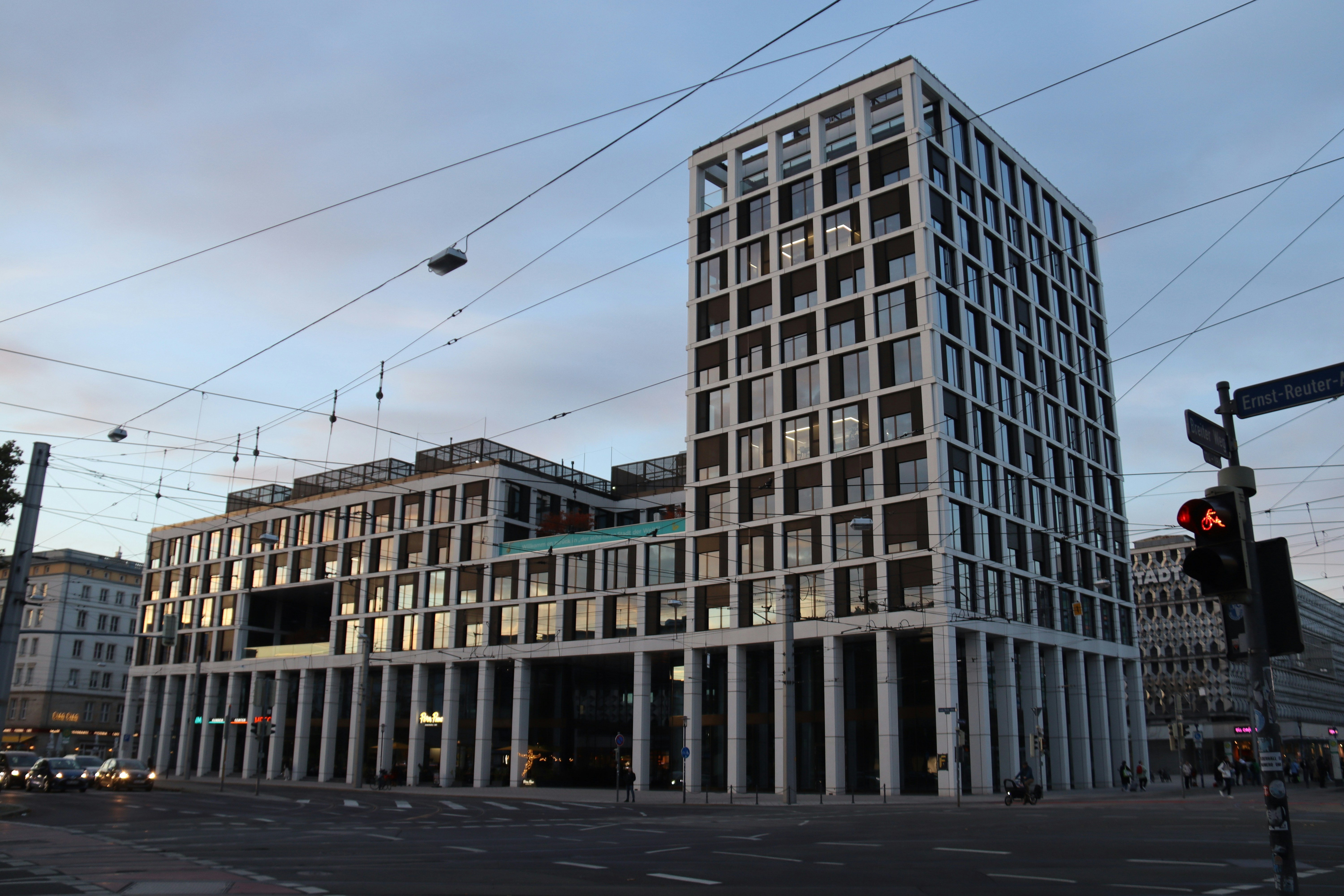
Walking through the city center today, layers of history reveal themselves at every turn. Medieval churches stand alongside Gründerzeit buildings, which neighbor modernist structures and contemporary architecture. This architectural palimpsest tells the story of a city that has repeatedly reinvented itself while maintaining threads of continuity.
The university, founded in 1993, brings youthful energy to the streets. Students fill cafes and bars, particularly in the increasingly vibrant Hasselbachplatz area, where nightlife has flourished in recent years. This injection of youth culture balances the weight of history, creating a dynamic tension that propels the city forward.
The Elbe continues its steady flow, as it has for millennia, past industrial areas being transformed into cultural spaces, past the cathedral spires that have watched over so much change, past parks where families gather on summer evenings. The river reminds us that while cities may be scarred by history, they also possess the capacity for renewal. Just as the water never stops moving, neither does the spirit of those who call this place home. Those seeking to explore more of Germany's historic cities might also find Hannover worth discovering, with its own unique blend of heritage and modernity.


 Home
Home Wishlist