
Manchester: Where Industry Met Innovation
The Industrial Revolution's Birthplace
Few cities can claim to have changed the course of human history quite so dramatically. The transformation from market town to industrial giant was catalyzed by the construction of the Bridgewater Canal in 1761, Britain's first industrial waterway. Raw cotton was brought from Liverpool's docks, and a manufacturing revolution was set in motion that would eventually be felt across the globe.
The Museum of Science and Industry, housed in the world's oldest surviving passenger railway station, offers testament to this remarkable period. Within its walls, the clanking of steam engines can still be heard, and the ingenuity that powered an empire becomes tangible. Working textile machinery demonstrates the innovations that once made this city the cotton capital of the world, earning it the nickname "Cottonopolis."
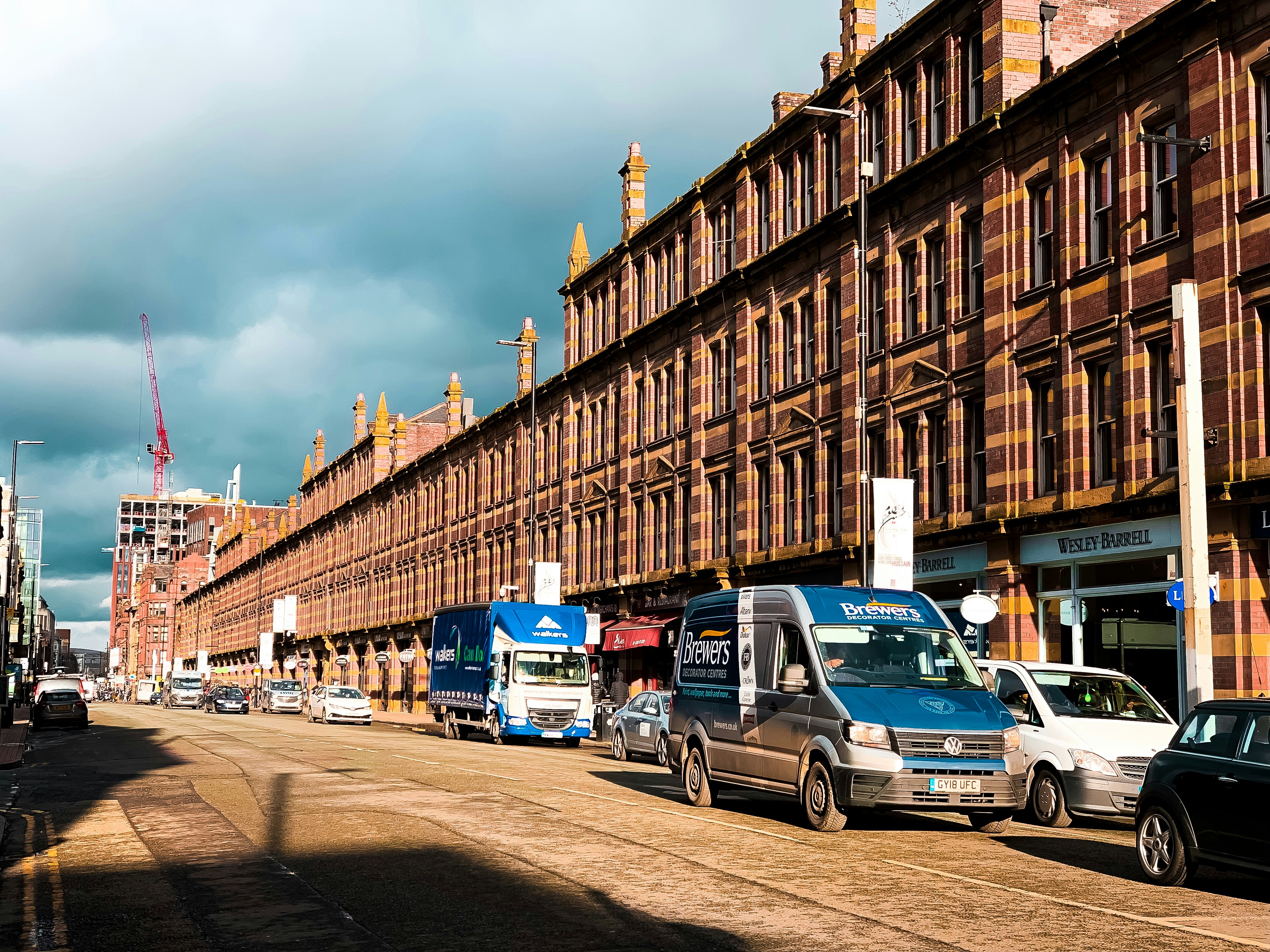
By the mid-19th century, over 100 cotton mills had been built, their tall chimneys dominating the skyline. The wealth generated was immense, though not evenly distributed. Grand warehouses were constructed along canals, their cast-iron columns and vaulted ceilings designed to store the precious bales that fueled international trade.
Things to do in Manchester
Architectural Echoes
The prosperity of the industrial age left an indelible mark on the urban landscape. Gothic Revival masterpieces like the Town Hall stand as monuments to Victorian confidence. Completed in 1877, this building was designed by Alfred Waterhouse, its soaring clock tower visible for miles around. Inside, the Great Hall's Ford Madox Brown murals depict the city's storied past in vivid detail.
John Rylands Library, another Waterhouse creation, feels more like a cathedral than a repository for books. Its neo-Gothic splendor was commissioned by Enriqueta Rylands as a memorial to her husband, the textile magnate. Today, rare manuscripts and early printed books get carefully preserved within its hallowed reading rooms, where light filters through stained glass windows onto polished wood.
The Midland Hotel, with its terracotta facade and opulent interiors, represents Edwardian elegance at its finest. Opened in 1903, it served as a grand gateway for visitors arriving at the adjacent railway station. Its corridors have been walked by everyone from visiting royalty to The Beatles, each leaving their mark on the building's rich tapestry of stories.
Canals and Quarters
The network of waterways that once transported industrial goods has been reimagined as a focal point for leisure and culture. Castlefield, the city's oldest urban area, now combines Roman ruins with converted warehouses that house restaurants, bars, and apartments. Narrowboats bob gently in the basin, their cheerful paintwork a far cry from the working barges of yesteryear.
A walk along the Rochdale Canal reveals how industrial infrastructure has been woven into modern life. The towpath, once used by horses pulling cargo-laden vessels, now serves joggers, cyclists, and those simply seeking a peaceful route through the urban landscape. Lock-keeper cottages have been restored, and the waterside has been planted with native species that attract wildlife back to the heart of the city.
The Northern Quarter, by contrast, pulses with creative energy. Independent record shops, vintage boutiques, and street art-covered walls define this bohemian enclave. What was once a garment district has been transformed into the city's artistic soul, where new bands play in basement venues and coffee roasters perfect their craft in former workshops.
Musical Heritage
The sound of this city has reverberated around the world. From The Smiths to Oasis, Joy Division to The Stone Roses, musical legends have been born in rehearsal rooms and small clubs throughout the area. The Hacienda, though closed in 1997, remains a cultural touchstone – the nightclub where acid house and rave culture exploded into British consciousness in the late 1980s.
Band on the Wall, a music venue with roots stretching back to 1862, continues to showcase both emerging talent and established acts across genres. Its intimate setting has been graced by everyone from Dizzy Gillespie to Adele, and the commitment to musical diversity remains unwavering.
The Royal Northern College of Music trains the next generation of classical performers, while the city's two major concert halls – Bridgewater Hall and the newly opened Aviva Studios – offer world-class acoustics for orchestral and contemporary performances alike. Music, it seems, gets woven into the very fabric of daily life here.
Sporting Passion
Football fandom runs deep through the city's veins, divided between sky blue and red. Two of the world's most famous clubs call this place home, their stadiums standing as modern coliseums where devotion borders on the religious. Match days transform entire neighborhoods, pubs fill hours before kick-off, and songs echo through the streets long after the final whistle.
The National Football Museum, appropriately located here, chronicles the beautiful game's history through interactive exhibits and priceless memorabilia. From World Cup trophies to historic shirts, the collection celebrates football's ability to unite communities and transcend boundaries.
Yet sporting life extends beyond football. Lancashire County Cricket Club has played at Old Trafford since 1857, making it one of cricket's most historic venues. The velodrome, built for the 2002 Commonwealth Games, has produced Olympic champions and broken countless world records on its smooth wooden boards.
A Culinary Transformation
The dining scene has undergone a remarkable evolution in recent years. Ancoats, once dubbed "the world's first industrial suburb," now holds claim to some of the finest restaurants in the North. Michelin stars have been awarded to establishments serving everything from innovative tasting menus to perfectly executed regional Italian cuisine.
Curry Mile, the stretch of Wilmslow Road running through Rusholme, offers an aromatic journey through South Asian cuisine. Pakistani, Bangladeshi, and Indian restaurants line the street, their windows steaming with the promise of fragrant biryanis and sizzling tikkas. Late-night crowds gather here after concerts and nights out, the area never truly sleeping.
Traditional market halls have been restored and repurposed, combining historic architecture with contemporary food vendors. Altrincham Market, though technically beyond the city limits, exemplifies this trend – Victorian ironwork frames stalls selling everything from artisan bread to Japanese street food, craft beer to specialty coffee.
Green Spaces and Modern Living
Heaton Park, one of Europe's largest municipal parks, provides 600 acres of breathing space. Its landscaped grounds were designed by William Emes in the 18th century, and the neoclassical hall at its center stands as testament to aristocratic tastes. Today, families picnic on its lawns, runners circle its paths, and music festivals bring thousands to its fields each summer.
Fletcher Moss Botanical Gardens offers a more intimate escape, its rock gardens and woodland walks providing sanctuary from urban intensity. The Parsonage, a timber-framed building within its boundaries, dates back to the 16th century and serves afternoon teas that feel delightfully out of time.
MediaCityUK, built on former industrial docklands, represents the city's continuing transformation. The BBC relocated much of its operation here, and the area now hums with digital businesses and creative agencies. Modern apartment blocks line the waterfront, their residents enjoying views across the Ship Canal toward the city center's glittering skyline.
Academic Excellence
Two major universities contribute to the city's youthful energy and intellectual vitality. The University, established in 1824, counts 25 Nobel laureates among its community – including Ernest Rutherford, who split the atom here in 1917. The gothic revival buildings around Oxford Road contrast with modern research facilities where cutting-edge science continues to be conducted.
The John Rylands Research Institute houses one of the world's finest collections of rare books and manuscripts. Scholars travel from across the globe to examine medieval illuminated texts, early printed books, and personal papers of historical figures. The reading room's silence gets broken only by the soft rustle of carefully turned pages.
Chetham's School of Music, founded in 1653, remains the oldest music school in the English-speaking world. Young musicians board within its medieval buildings, their practice sessions filling the cloisters with scales and sonatas. The library, where Karl Marx and Friedrich Engels met to discuss political theory, still maintains its chained books and original reading desks.
Looking Forward
Contemporary architecture continues to reshape the skyline. Beetham Tower, its cantilever blade creating an eerie hum in high winds, pierced the sky as the UK's tallest building outside London when completed in 2006. Newer developments like Deansgate Square have since pushed even higher, their glass facades reflecting clouds and light across the city below.
The Factory, a vast new cultural venue designed by Rem Koolhaas, promises to become an international destination for experimental performance and immersive art. Its construction represents confidence in culture's power to drive regeneration and attract visitors from far beyond the region.
Green initiatives have been embraced with characteristic determination. The Bee Network, an ambitious plan to create hundreds of miles of protected cycling and walking routes, takes its name from the worker bee – the city's symbol since the Industrial Revolution, representing hard work and community spirit. New tram lines extend the Metrolink system ever outward, reducing car dependency and connecting neighborhoods.
As dusk settles and lights begin to twinkle across the cityscape, the energy remains palpable. Theaters fill for evening performances, restaurants take their first bookings, and music venues prepare for another night of discovery. The transformation from industrial powerhouse to cultural destination has been dramatic, yet something essential remains unchanged – a grit, a determination, a refusal to be defined by circumstance. Those seeking to explore Britain's urban tapestry might also find inspiration in Liverpool, where maritime heritage similarly shaped a unique character.


 Home
Home Wishlist