
Milton Keynes: Where Ambition Met Concrete
An Experiment in Urban Planning
The designation of this new town was made in 1967, though the area had been inhabited for centuries. Ancient villages like Bletchley, Wolverton, and Stony Stratford were absorbed into the grand design, their historic high streets suddenly finding themselves part of something far larger. The brief given to architects and planners was clear: create a city for the modern age, one that could accommodate rapid population growth while avoiding the congestion and chaos that plagued older British cities.
What was built defied convention. Instead of organic growth along medieval pathways, a rational grid system was imposed. The infamous "concrete cows" – abstract sculptures placed in a field – became an unlikely symbol, simultaneously mocked and embraced. Critics dismissed the place as soulless; defenders pointed to the abundance of green space, the efficiency of transport links, and the opportunities created for working families.
Things to do in Milton-Keynes
The Logic of Roundabouts
Perhaps nothing defines the local experience quite like the roundabouts. Over 130 of them punctuate the road network, their presence so ubiquitous that navigation becomes a matter of counting circular junctions rather than street names. This wasn't arbitrary; the grid of roads, each separated by roughly one kilometer, was designed to minimize traffic congestion and maximize flow. Red routes run horizontally, streets vertically, and the whole system can be traversed without encountering a single traffic light.
For drivers, the experience can be liberating or disorienting, depending on perspective. Those accustomed to cramped city centers and endless traffic queues find the open roads refreshing. Others complain about the anonymity of it all, the way one residential area blends into another without distinctive landmarks to anchor memory.
Concrete and Controversy
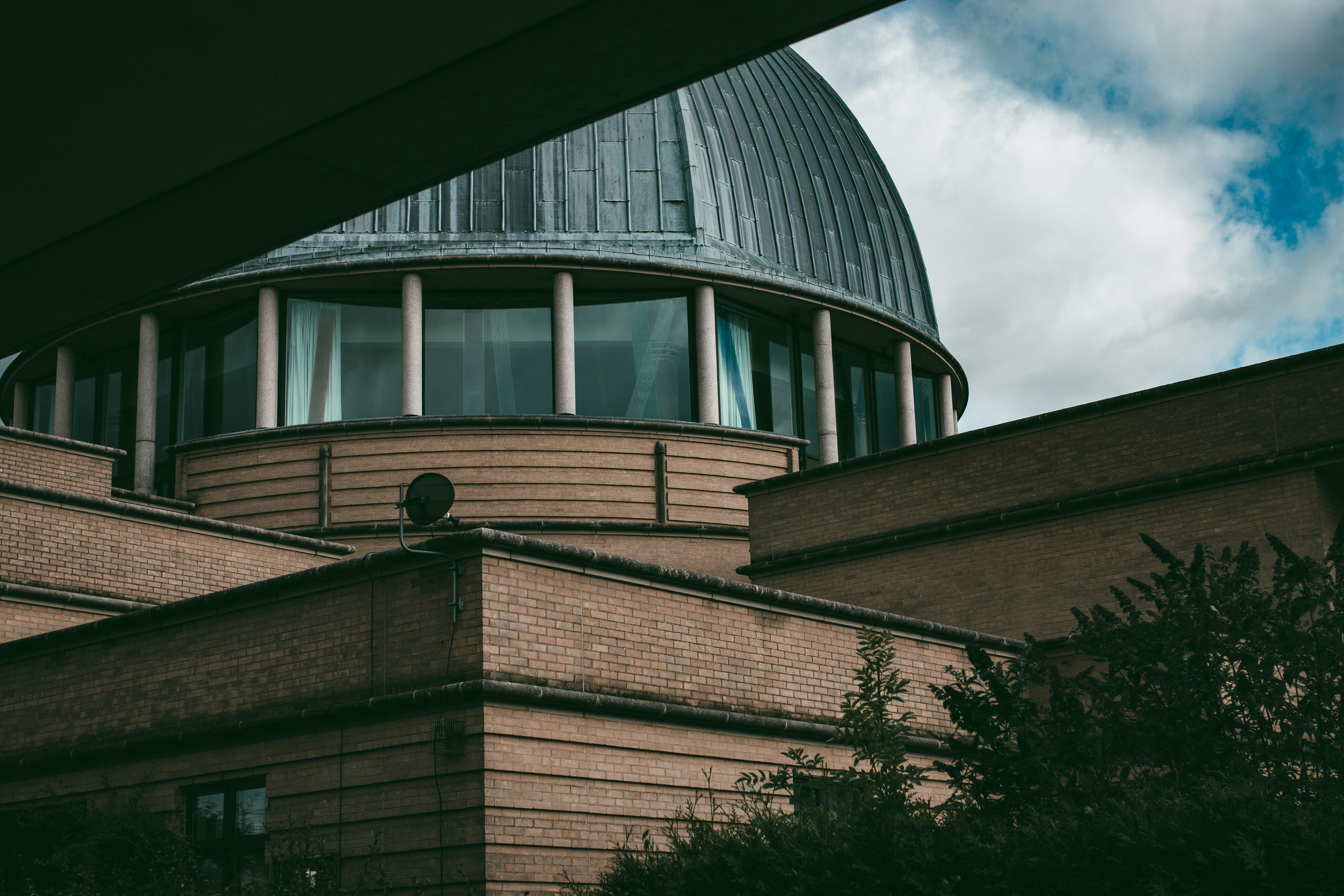
The architecture remains divisive. Brutalist structures stand alongside postmodern experiments and contemporary glass facades. The central shopping center, opened in 1979, was groundbreaking for its time – the first American-style covered mall in Britain. Its vast interior spaces and consistent climate-controlled environment represented a new kind of retail experience, one that has since been replicated across the country.
The Point, an entertainment complex housed beneath a distinctive pyramid structure, became an iconic landmark. Live music venues, cinemas, and restaurants drew visitors from across the region. Though the pyramid was demolished in 2021 to make way for redevelopment, its memory lingers as a reminder of the city's willingness to experiment with bold architectural statements.
The Bletchley Connection
Before the new town consumed it, Bletchley held a secret that would change the course of history. Bletchley Park, the Victorian mansion and its sprawling huts, served as the wartime headquarters for British codebreakers. Here, Alan Turing and thousands of others worked to crack the Enigma code, their efforts shortening the war by an estimated two years.
Today, the site has been preserved as a museum, its grounds lovingly restored. Visitors can walk through the same rooms where encrypted messages were decoded, see the reconstructed Bombe machines that mechanized the codebreaking process, and learn about the diverse group of mathematicians, linguists, and engineers who changed the world while sworn to secrecy.
Green Spaces and Hidden Parks
What often surprises first-time visitors: the sheer amount of parkland. Nearly a quarter of the urban area was designated as green space, with trees planted along every boulevard and parks woven between residential zones. Willen Lake offers sailing and water sports, its shores lined with paths for cyclists and joggers. Campbell Park stretches across 250 acres, providing views over the city center and hosting festivals throughout the summer months.
The linear parks, threaded along streams and drainage routes, create wildlife corridors that allow foxes, deer, and birds to move through the urban environment. This "forest city" vision has matured over decades, the young saplings of the 1970s now forming substantial woodland that softens the geometric severity of the original plan.
Economic Engine
The city's success as a business destination cannot be denied. Major corporations have established headquarters here, drawn by excellent transport connections and competitive property costs. The proximity to Oxford, Cambridge, and the capital creates a powerful triangle of innovation and commerce. Technology firms, logistics companies, and financial services have all found homes along the business parks that ring the residential areas.
Employment opportunities attracted people from across Britain and beyond, creating a demographic mix unusual for England. No single ethnic or social group dominates, and this diversity has fostered a pragmatic, forward-looking culture less bound by tradition than older cities.
Cultural Contradictions
The arts scene has grown more sophisticated with time. The Milton Keynes Gallery showcases contemporary art in a light-filled space, its exhibitions ranging from emerging local talent to internationally recognized names. The theatre hosts touring productions, comedy acts, and local amateur dramatic societies. Music venues cater to every taste, from intimate acoustic performances to stadium concerts at Bowl.
Yet the city still struggles against its reputation as culturally barren. The jokes about concrete cows and roundabouts persist, often told by people who have never visited. This disconnect between perception and reality frustrates residents who've built lives and communities here, who've watched their children grow up with opportunities unavailable in older, more "authentic" towns.
Living the Reality
For families, the appeal proves practical. Housing remains more affordable than in nearby cities, schools perform well, and the outdoor lifestyle enabled by accessible parks and cycle paths creates a quality of life hard to match elsewhere. The grid system, once children learn it, allows independent mobility that would be unthinkable in busier urban centers.
Critics counter that something intangible has been lost – the organic development of community, the architectural variety that comes from centuries of incremental growth, the happy accidents that create memorable streetscapes. Walking through the covered shopping center on a rainy afternoon, surrounded by chain stores identical to those in every British town, this argument holds weight.
Evolution and Adaptation
The city continues to grow, with massive expansion plans approved for the coming decades. New neighborhoods rise on the periphery, and older areas undergo regeneration. The original vision, conceived when cars dominated transportation planning, has been adapted for an age of sustainability concerns. Cycle paths multiply, electric vehicle charging points appear in car parks, and discussions about light rail connections persist.
Whether this place represents the future of British urbanism or a dated experiment depends largely on who you ask. What cannot be disputed: its existence challenges assumptions about how cities should develop, what communities need, and whether rational planning can create spaces that feel truly lived-in. The experiment continues, evolving with each generation that calls these tree-lined boulevards and geometric parks home. Those considering a broader exploration of British urban landscapes might also find themselves drawn to Birmingham, where Victorian grandeur and industrial heritage tell a very different story of city-making.


 Home
Home Wishlist