
Modena: Where Passion Fuels Tradition
The Soul of Speed
The roar of a finely tuned engine has been woven into the identity of this place for generations. In nearby Maranello, the prancing horse emblem can be spotted on red machines that have captured the imagination of racing enthusiasts worldwide. The Ferrari Museum showcases decades of automotive excellence, where sleek curves and powerful engines tell stories of innovation pushed to its limits.
Not far away, another legend was born. The Enzo Ferrari Museum, designed in the shape of a yellow hood rising from the ground, pays tribute to the man whose vision transformed mechanical engineering into art. Inside, vintage race cars stand alongside contemporary models, each one representing a chapter in a saga built on speed, precision, and an unwavering commitment to perfection.
Maserati, too, calls this region home. The trident symbol, inspired by Neptune's fountain in the city center, represents another pillar of Italian automotive heritage. These aren't just cars; they're expressions of a culture that values beauty, performance, and the thrill of the drive.
Things to do in Modena
Liquid Gold
In dimly lit cellars, wooden barrels hold what many consider the finest vinegar ever produced. Traditional balsamic vinegar, aged for a minimum of twelve years—sometimes fifty or more—gets crafted according to methods passed down through generations. The process can't be rushed. Each drop embodies patience, expertise, and a deep respect for time-honored techniques.
At local acetaias, the art of balsamico gets demonstrated with quiet pride. Rows of barrels, arranged from largest to smallest, contain vinegar at different stages of maturation. As it ages, the liquid moves through progressively smaller casks made from various woods—oak, chestnut, cherry, mulberry—each imparting subtle flavors. The result? A syrup so complex and refined that just a few drops can transform a simple dish into something extraordinary.
This isn't the balsamic found on supermarket shelves. Authentic aceto balsamico tradizionale gets protected by strict regulations and bears the DOP seal. Tasting it becomes a revelation—sweet yet tangy, thick yet smooth, with layers of flavor that linger long after the last taste.
A Cathedral of Harmony
The Romanesque cathedral, with its soaring bell tower known as the Ghirlandina, dominates the skyline. Built in the 12th century, this architectural masterpiece was recognized by UNESCO for its outstanding cultural significance. The facade, adorned with intricate sculptures by Wiligelmo, depicts biblical scenes with a humanity and expressiveness rare for its time.
Inside, the atmosphere shifts. Light filters through stained glass, casting colorful patterns on ancient stone. The crypt below holds relics of San Geminiano, the city's patron saint, whose protection has been invoked for centuries during times of challenge and celebration alike.
Climbing the Ghirlandina rewards visitors with panoramic views across terracotta rooftops and the surrounding plains. From this vantage point, the layout of the medieval city becomes clear—a compact urban center surrounded by walls that once provided protection but now simply frame a living museum.
The Voice That Moved Millions
When Luciano Pavarotti was born here in 1935, no one could have predicted that his voice would one day fill the world's greatest concert halls. Yet this city, with its deep musical traditions, provided fertile ground for such talent to flourish. The Teatro Comunale, an elegant theater dating back to the 17th century, has hosted countless performances, nurturing a culture where opera isn't just entertainment—it's a way of life.
Pavarotti's legacy lives on through the Pavarotti Foundation and various tributes scattered throughout the area. His hometown pride never wavered, even as international fame came calling. He remained connected to this place, returning often and supporting local cultural initiatives until his passing in 2007.
Yellow Gold
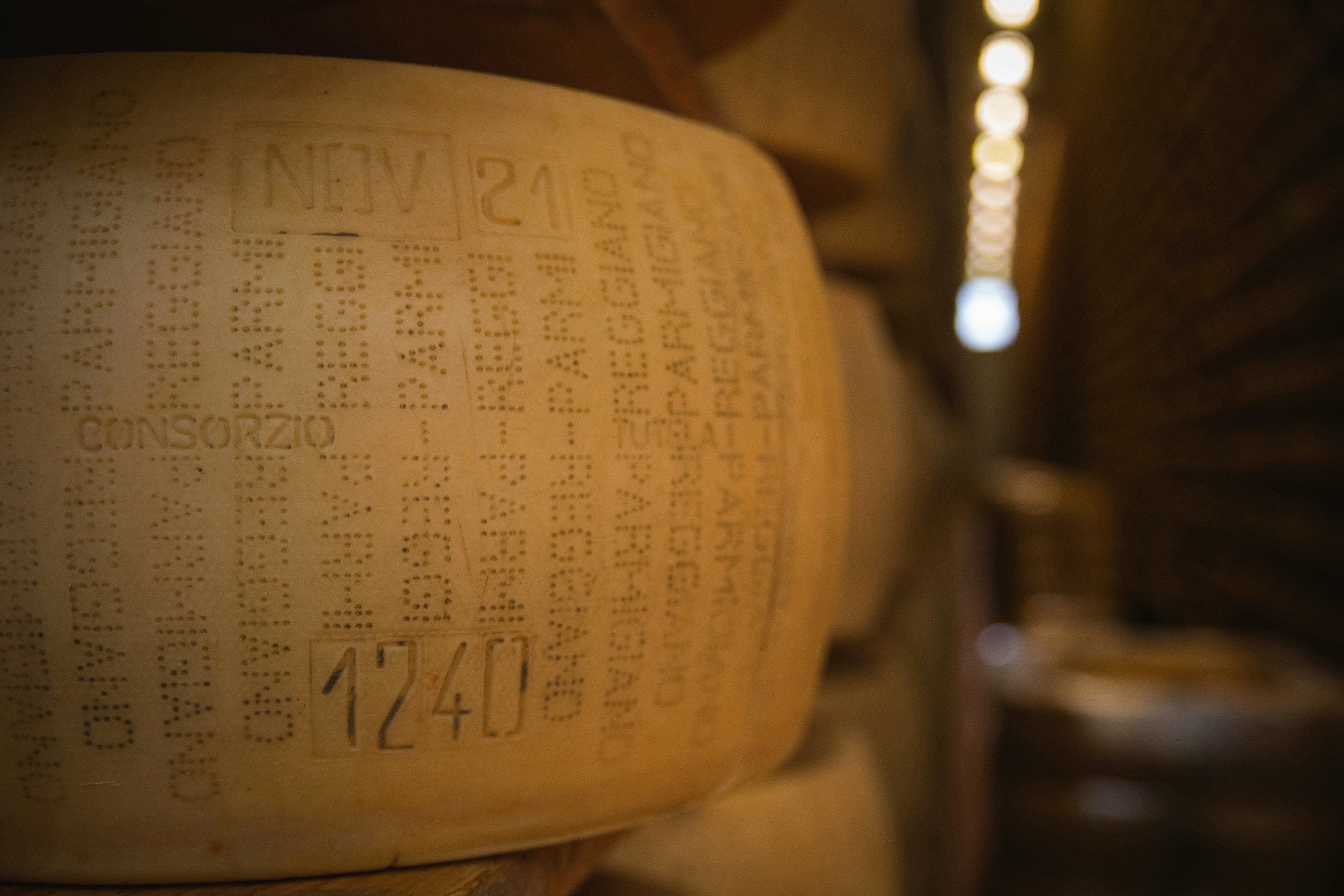
In the countryside, another treasure gets produced with meticulous care. Parmigiano-Reggiano, often called the king of cheeses, has been made here for nearly a millennium. The process hasn't changed much over the centuries. Fresh milk from local cows gets heated in copper cauldrons, combined with rennet, and left to curdle. The resulting cheese wheels, each weighing around 40 kilograms, get aged for a minimum of twelve months—though the finest specimens mature for three years or longer.
Visiting a caseificio offers insight into this ancient craft. The rhythm of production starts before dawn, when the previous evening's milk gets combined with fresh morning milk. Skilled casari judge by touch and experience when the curds have reached the perfect consistency. The wheels get salted in brine baths, then moved to aging rooms where they rest on wooden shelves, developing the crystalline texture and complex flavor that make this cheese incomparable.
Breaking open a wheel becomes a ceremonial act. Special almond-shaped knives get inserted along the natural fault lines, and the cheese splits with a satisfying crack, revealing a grainy, crumbly interior dotted with white crystals—concentrated pockets of amino acids that signal proper aging.
Markets and Memories
The Mercato Albinelli, housed in an elegant iron-and-glass structure since 1931, pulses with morning activity. Vendors arrange displays of fresh produce, cured meats, and artisanal products with an artist's eye. The scent of fresh herbs mingles with aged cheeses and roasted coffee. Locals shop with discerning eyes, engaging vendors in conversations about the day's offerings, sharing recipes, exchanging news.
At one stall, prosciutto gets sliced paper-thin, the knife gliding through marbled meat with practiced ease. Another offers tortellini, the delicate pasta parcels shaped by hand that same morning. A third displays bottles of lambrusco, the slightly sparkling red wine that pairs perfectly with the region's rich cuisine.
This isn't just commerce; it's community. Relationships built over decades get maintained through these daily exchanges. Quality gets valued over convenience, and the connection between producer and consumer remains direct and personal.
Hidden Courtyards
Beyond the main streets, quieter discoveries await. Historic palazzos hide interior courtyards accessible through massive wooden doors. These secret gardens offer respite from the urban energy—peaceful spaces where fountains trickle and climbing roses perfume the air. Many remain private, but during special cultural events, they open briefly to the public, revealing architectural details and frescoed walls typically hidden from view.
The Palazzo dei Musei houses several collections under one roof—archaeological artifacts, artistic masterpieces, and the Estense Gallery, featuring works that once belonged to the ducal family. Among the treasures, a stunning portrait by Velázquez and the illuminated Bible of Borso d'Este stand out as highlights worth any art lover's time.
A Taste of Tradition
Evening brings its own rituals. Aperitivo hour transforms the porticoed streets into open-air gathering spaces. Glasses of lambrusco or Aperol spritz get accompanied by plates of gnocco fritto—puffy, fried dough pillows served alongside cold cuts and soft cheeses. These aren't mere snacks; they're part of a social ceremony that marks the transition from work to leisure.
For dinner, traditional trattorias serve dishes that have sustained generations. Tagliatelle al ragù—the true Bolognese sauce—gets prepared with patience, the meat simmered for hours until it practically dissolves into the tomato base. Bollito misto, a selection of boiled meats served with mostarda and salsa verde, represents comfort food elevated to an art form. Zampone, a stuffed pig's trotter traditionally eaten at New Year's, demonstrates the nose-to-tail philosophy that wastes nothing and honors the entire animal.
Where Past Meets Present
Walking these streets as dusk settles, the layers of history become tangible. Medieval towers cast long shadows. Renaissance palaces glow in the warm light. Modern boutiques occupy ground floors of centuries-old buildings, their contemporary offerings framed by ancient architecture. This juxtaposition doesn't jar; instead, it feels natural, as though each era has simply added another verse to an ongoing song.
Students from the university—founded in 1175 and among Europe's oldest—bring youthful energy to age-old piazzas. Their presence ensures that tradition doesn't calcify into mere nostalgia but instead gets reinterpreted and kept vital by each new generation.
The character of this Emilian city gets defined not by any single element but by the harmonious interplay of many—engines and opera, vinegar and cheese, medieval stones and modern ambitions. Those who venture beyond the better-known destinations of Bologna and the Adriatic coast discover a place where excellence isn't proclaimed but quietly demonstrated, where mastery gets achieved through dedication, and where the pleasures of life—good food, beautiful design, passionate craftsmanship—receive the reverence they deserve.


 Home
Home Wishlist