
Norwich: A Medieval Jewel in East Anglia's Crown
A Legacy Written in Stone
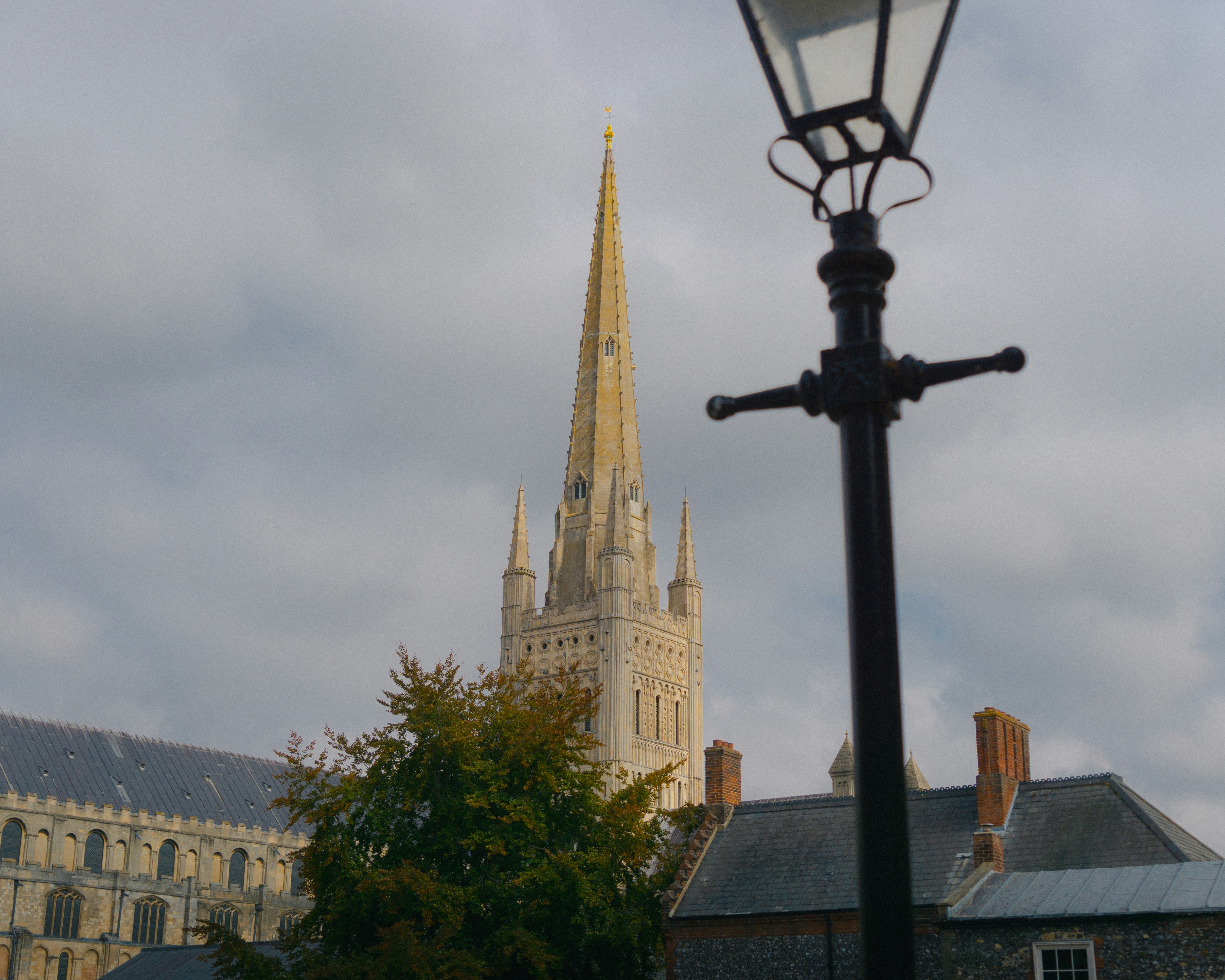
The city's skyline has been dominated for over nine centuries by its magnificent cathedral, a structure whose soaring spire can be glimpsed from miles across the Norfolk countryside. Construction was begun in 1096, and the resulting masterpiece of Romanesque architecture remains among the most complete Norman cathedrals in England. Inside, over a thousand roof bosses have been painstakingly carved to tell biblical stories in vivid detail, their colors still vibrant despite the passage of centuries.
The cathedral close, entered through medieval gateways, offers a tranquil sanctuary where the modern world seems to fade away. Green lawns stretch between ancient buildings that once housed monks going about their daily routines. The cloisters, rebuilt after a devastating fire in the 13th century, contain some of the finest Gothic stonework in Britain, their vaulted ceilings adorned with intricate carvings that reward careful observation.
Things to do in Norwich
The Castle on the Hill
Across the city center, another Norman monument commands attention from its elevated position. The castle keep, built between 1094 and 1121, was constructed as a royal palace and has been transformed over the centuries into one of the region's most important museums. Its distinctive blank arcading, with tier upon tier of decorative arches adorning the exterior walls, makes this one of England's most visually striking Norman fortifications.
Within these thick walls, collections spanning thousands of years have been assembled. Egyptian mummies rest alongside Anglo-Saxon treasures, while galleries devoted to natural history showcase the diverse wildlife found across Norfolk's varied landscapes. The art collection, particularly strong in works by the Norwich School of painters, captures the luminous quality of East Anglian light that has drawn artists to this corner of England for generations.
Markets and Merchants
Between cathedral and castle, the market place has served as the city's commercial heart since Norman times. Every day except Sunday, colorful striped awnings shelter over 200 stalls where everything from fresh Norfolk produce to vintage clothing can be found. The market's vitality speaks to traditions maintained across centuries – a direct link to the medieval traders who once gathered in this same space.
Surrounding the market, narrow lanes known as "The Lanes" twist between medieval and Tudor buildings. Many structures lean at precarious angles, their timber frames having shifted gradually over centuries. These streets, once home to weavers who made the city wealthy through the wool trade, now house independent boutiques, antique dealers, and cafes where coffee gets served in buildings that have stood for five hundred years.
The Wool Trade's Golden Age
The city's prosperity during the Middle Ages can be traced directly to textile production. By the 14th century, this had become England's second-largest city, its wealth built on wool and worsted cloth. Evidence of this affluence can still be seen in the extraordinary number of medieval churches – 32 survive within the old city walls, a concentration unmatched anywhere else in northern Europe.
Each church tells its own story. St. Peter Mancroft, overlooking the market place, boasts one of England's finest collections of medieval stained glass. St. John Maddermarket takes its name from the red dye used by textile workers. Many churches have been converted to new uses – concert halls, antique centers, puppet theaters – their sacred spaces adapted while their architectural integrity remains protected.
Rivers and Waterways
The River Wensum, which gave the settlement its original strategic importance, continues to shape the city's character. Medieval riverside warehouses, once filled with wool and grain, have been converted into apartments and restaurants. Pull's Ferry, a 15th-century watergate originally used to transport stone for cathedral construction, now serves as one of the city's most photographed landmarks.
Along the riverbanks, footpaths wind through unexpected pockets of greenery where herons can be spotted hunting for fish. Pleasure boats now cruise waters once navigated by cargo vessels bound for Great Yarmouth and the sea beyond. The riverside walk connects disparate parts of the city, offering peaceful routes through an urban landscape where nature has been given room to flourish.
A City of Literature and Learning
The city's cultural life extends far beyond its architectural treasures. The University of East Anglia, established in 1963 on the city's western edge, has become renowned for its creative writing program. Authors including Ian McEwan, Kazuo Ishiguro, and Anne Enright studied here, contributing to a literary tradition that stretches back to Julian of Norwich, the 14th-century mystic whose "Revelations of Divine Love" stands as the first book written in English by a woman.
This literary heritage gets celebrated in independent bookshops, literary festivals, and the city's many libraries. The Forum, a striking modern building faced in glass and steel, provides a contemporary counterpoint to the medieval structures surrounding it. Inside, the library's collection sits alongside exhibition spaces and a BBC studio where programs get broadcast to the entire region.
Culinary Traditions
Local food culture reflects both agricultural abundance and maritime proximity. Norfolk's rich farmland provides ingredients showcased in restaurants ranging from traditional pubs to innovative fine-dining establishments. Samphire, gathered from coastal marshes, appears on menus alongside Cromer crabs and locally reared meats. Mustard production, particularly associated with the Colman's brand, has been centered here since 1814, the distinctive yellow tins becoming synonymous with the city itself.
The rise of artisan producers has added new dimensions to the culinary scene. Microbreweries craft ales using traditional methods, farmers' markets bring producers face-to-face with customers, and bakeries turn out everything from sourdough loaves to Norwich-style buns – sweet, yeasted pastries that have been enjoyed here for generations.
Green Spaces and Gardens
For a city of its size, an impressive amount of green space has been preserved. Mousehold Heath, on the northern edge, offers 200 acres of open heathland where wildflowers bloom and rare butterflies flutter through summer meadows. From its heights, panoramic views stretch across the entire city and out toward the Norfolk Broads.
Closer to the center, Chapelfield Gardens provides Victorian elegance with its formal flower beds and bandstand. The Plantation Garden, hidden behind high walls, was created by a Victorian cabinet maker and remains a secret sanctuary of Gothic fountains, Italianate terraces, and woodland walks. These spaces offer respite from urban bustle while remaining woven into the city's fabric.
Celebrating Creativity
The arts scene thrives in venues both historic and contemporary. The Theatre Royal, opened in 1758, continues to host touring productions in its elegant Georgian auditorium. Norwich Playhouse occupies a converted medieval church, its sacred architecture now framing contemporary performances. The Norwich Arts Centre, housed in a former church on St. Benedict's Street, has become a cornerstone of the independent music scene.
Visual arts get showcased in galleries scattered throughout the city. The Sainsbury Centre for Visual Arts, located on the university campus in a building designed by Norman Foster, houses one of Britain's most significant collections of world art. Its open-plan design allows visitors to move freely between European masters and Pacific Island sculptures, African masks and abstract expressionist paintings.
Walking these ancient streets at dusk, when golden light softens the flint walls of medieval churches and the cathedral spire glows against darkening skies, the layers of history feel almost tangible. This remains a place where the past hasn't been preserved as museum piece but continues to inform daily life. From the market trader setting up stall in the same spot used by predecessors for centuries, to students filling pubs that have served customers since Tudor times, connections to history get lived rather than simply observed. For those seeking a different pace from the capital, exploration might next lead to Manchester, where industrial heritage meets modern creativity in equally compelling ways.


 Home
Home Wishlist