
Puerto de la Cruz: Where Atlantic Waves Meet Volcanic Shores
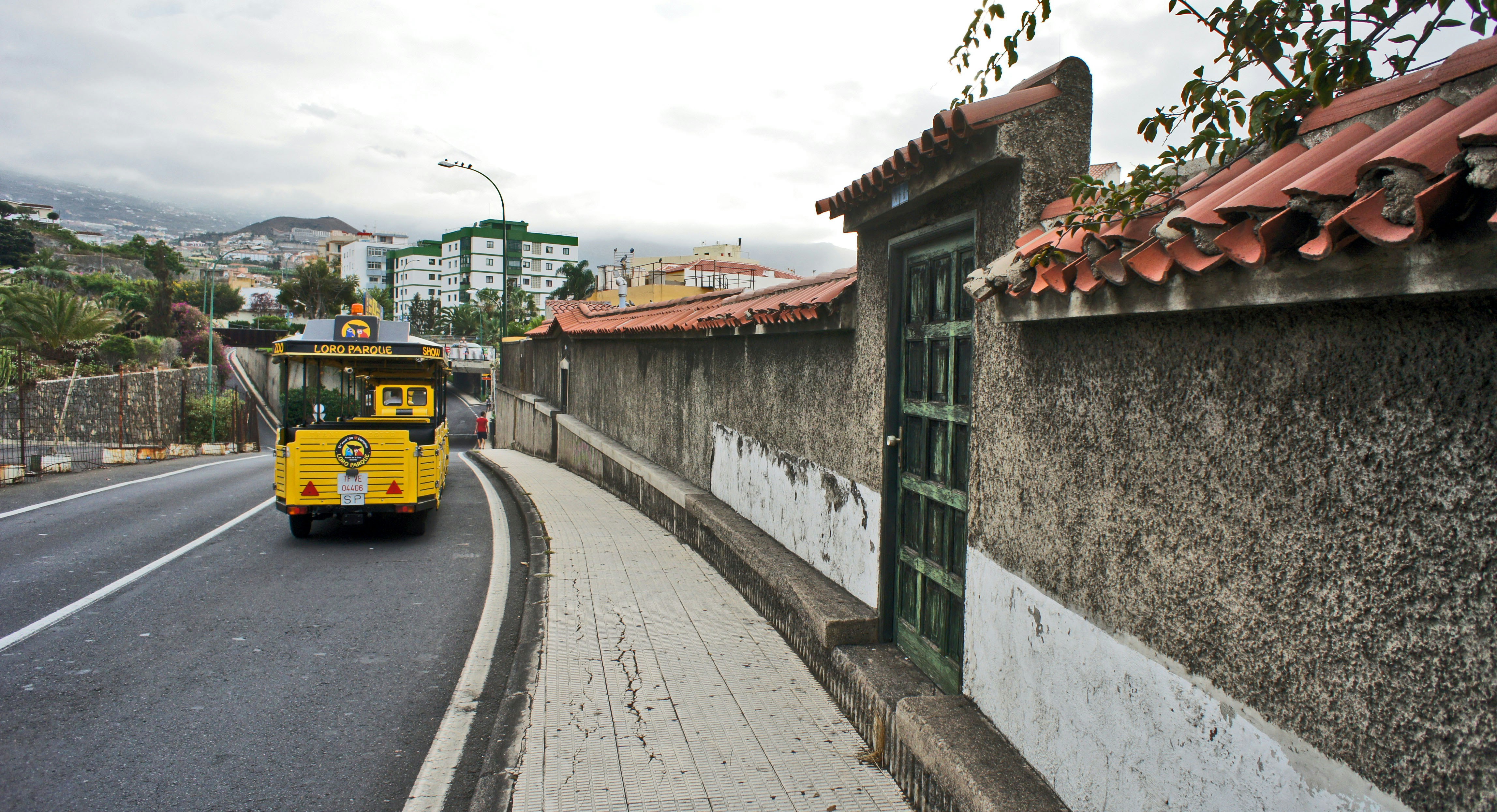
A Town Born from Volcanic Fire
The northern coast of Tenerife was shaped by forces far beneath the earth's surface. Volcanic eruptions millennia ago created the landscape that would eventually host one of the Canary Islands' most charming coastal communities. Dark volcanic rock dominates much of the shoreline, contrasting dramatically with the whitewashed buildings and vibrant bougainvillea that cascade down hillsides.
This geological heritage hasn't been hidden or smoothed over. Instead, it has been embraced as part of the town's identity. Natural pools were carved from the volcanic rock by the Atlantic's persistent waves, creating swimming areas where locals and visitors alike have gathered for generations. The most famous of these, Lago Martiánez, was designed by César Manrique in the 1970s – a complex of seawater pools that blends seamlessly with its volcanic surroundings.
Things to do in Puerto-de-la-Cruz
From Fishing Village to Cultural Hub
Centuries ago, this stretch of coast was valued primarily for its access to rich fishing grounds. Small boats would set out before dawn, returning with catches that sustained the growing community. The old harbor area still bears witness to these origins, though the vessels moored there today serve mostly tourist purposes.
By the 19th century, a transformation was already underway. European travelers, particularly from Britain and Germany, began arriving in search of the island's perpetual spring climate. Grand hotels were constructed along the seafront, and botanical gardens were planted with exotic species that flourished in the mild temperatures. The town evolved from a working port into one of Spain's earliest tourist destinations, yet somehow managed to retain much of its authentic character.
Architecture That Tells Stories
Walking through the historic center reveals layers of architectural history. Traditional Canarian buildings, with their distinctive wooden balconies and interior courtyards, line narrow streets that wind uphill from the coast. These structures were built to withstand both the occasional Atlantic storm and the intense subtropical sun.
Religious architecture also marks the townscape. The Iglesia de Nuestra Señora de la Peña de Francia, begun in the late 17th century, dominates the old town square. Its baroque tower can be spotted from various points throughout the area, serving as a navigation point for those exploring the maze of backstreets where local life continues much as it has for generations.
Where Gardens Meet the Sea
The climate here has long been described as eternal spring – temperatures rarely drop below 20°C or rise above 28°C. This consistency has made the area ideal for botanical cultivation. Several significant gardens were established during the height of European interest in the 19th and early 20th centuries.
The Jardín Botánico, founded in 1788 under orders from King Carlos III, was originally intended to acclimatize plants from Spain's tropical colonies before they were shipped to the mainland. Today, its collection includes species from five continents, their roots spreading through volcanic soil enriched by centuries of decomposition. Massive rubber trees create natural tunnels over pathways, and rare palms tower overhead, their fronds rustling in the constant Atlantic breeze.
The Atlantic's Daily Performance
The relationship between this town and the ocean remains fundamental. Unlike the calmer southern coast of Tenerife, the northern shore faces the full force of Atlantic swells. This creates dramatic scenes – waves crashing against the Paseo de San Telmo, sending spray high into the air, or rolling into Playa Jardín, the black sand beach designed by Manrique with tropical gardens bordering its length.
These conditions also created opportunities. Natural tide pools at Punta Brava and other points along the coast offer protected swimming when the open ocean proves too rough. These pools, constantly refreshed by incoming waves, have become beloved gathering spots where children splash in shallow water while adults swim laps in deeper sections carved from the volcanic bedrock.
Flavors Shaped by Island and Ocean
Local cuisine reflects both the Atlantic harvest and the volcanic soil's agricultural bounty. Traditional guachinches – informal eateries often run from family homes – serve dishes that have sustained islanders for generations. Fresh fish, caught daily, arrives grilled simply with mojo sauce – a Canarian specialty made from peppers, garlic, and local oil.
The volcanic soil proves remarkably fertile for certain crops. Potatoes, particularly the small, wrinkled papas arrugadas served with their skins encrusted in sea salt, remain a staple. Wine produced in nearby valleys benefits from volcanic minerals, creating distinctive flavors recognized across Spain. At the weekly market, vendors display tropical fruits that thrive in the microclimate – papayas, mangoes, and avocados grown in terraced plots carved into the hillsides.
Festivals That Stop Time
The calendar here follows rhythms established long before mass tourism arrived. Religious festivals, carnival celebrations, and traditional feasts continue to mark the passing year. During Semana Santa, elaborate processions wind through old town streets, while Carnival brings weeks of preparation culminating in spectacular parades that transform the waterfront into a riot of color and music.
The Bajada de la Virgen, held every few years, remains the most significant local event. The entire community participates in bringing the town's patron saint from her sanctuary in the hills down to the main church. For days, normal life suspends as streets fill with flower petals, traditional music echoes off colonial facades, and generations come together in celebration.
Life at a Different Pace
Despite decades of tourism, daily life here maintains a rhythm distinct from typical resort destinations. Morning brings local residents to bakeries for fresh bread, to markets for produce, to cafes for unhurried conversation over cortados. Afternoons slow considerably – shops close for siesta, streets empty, and even the ocean seems to pause in the heat.
Evenings revive gradually. As temperatures cool, the Paseo de San Telmo fills with families, couples, and solo walkers tracing the same route generations have followed along the seafront. Small bars open their doors, offering local wines and tapas. Conversation flows easily between strangers and friends alike, carried on the salt-scented breeze that never quite stops blowing.
Where Past and Present Coexist
What makes this corner of Tenerife remarkable isn't any single attraction or feature. Rather, it's the way different elements combine – volcanic landscapes softened by tropical vegetation, historic architecture housing modern life, tourist infrastructure that hasn't overwhelmed local culture. Walking these streets, swimming in these natural pools, tasting food prepared from recipes passed through families, one senses a place that has learned to welcome visitors without losing its soul.
The Atlantic continues its patient work, shaping coastline millimeter by millimeter, just as it has since volcanic rock first cooled beneath its waves. Above this ever-changing border between land and sea, life proceeds with the confidence of a community that has weathered storms both literal and metaphorical, that has adapted without abandoning its roots, that has found ways to share its treasures while keeping the essence of what makes it special.
For those seeking more than sun and sand, for travelers who want to understand how history, geography, and culture interweave to create unique places, this volcanic coast offers rewards that extend far beyond a simple beach holiday. Similar discoveries await in other historically rich destinations – the medieval charm of Regensburg offers yet another perspective on how European cities preserve their heritage while moving confidently into the future.


 Home
Home Wishlist