
Reading: Where the River Kennet Meets Modern Britain
A Town Forged by Trade
The banks of the River Kennet were chosen by medieval merchants as a natural crossing point, and from this practical decision, a market town was born. By the 12th century, wool and cloth had already been established as the backbone of local commerce, with the river providing both power and transport. The remains of the 12th-century Reading Abbey – once one of the most powerful monasteries in England – can still be traced in fragments scattered throughout the town center, silent witnesses to a time when religious authority and economic prosperity walked hand in hand.
The Industrial Revolution brought dramatic change to the landscape. Three industries came to define the town's character during the Victorian era: brewing, metalwork, and biscuit-making. Huntley & Palmers, founded in 1822, grew to become the world's largest biscuit manufacturer by the end of that century. At its peak, the factory employed over 5,000 workers, and its tins could be found from Cairo to Calcutta. Though the factory has long since closed, its architectural legacy – converted warehouses and factory buildings – now houses apartments, offices, and creative spaces.
Things to do in Reading
Between River and Rail
Two waterways have been crucial to the town's development. The Kennet flows from the west, while the Thames marks the northern boundary. In 1810, the completion of the Kennet and Avon Canal connected these rivers, creating a water route from Bristol to London that brought unprecedented prosperity. Today, the towpaths serve a different purpose: joggers, cyclists, and dog-walkers follow routes once trodden by canal horses, while narrowboats drift past at a pace that seems almost defiant in its leisureliness.
The arrival of the Great Western Railway in 1840 accelerated growth even further. Brunel's railway placed the town firmly on the map as a critical junction, and this position has been maintained ever since. Modern commuters board trains that reach London Paddington in less than thirty minutes, a journey that would have taken half a day by coach in pre-railway times. This connectivity has transformed the local economy, shifting it from manufacturing toward service industries, technology, and corporate headquarters.
Layers of Learning
Education has been woven into the fabric of the community for generations. The University of Reading, granted its royal charter in 1926, has grown into a major research institution known particularly for its work in agriculture, meteorology, and typography. The university's grounds encompass historic parkland, with the museum of English rural life housed within its walls – a collection that preserves centuries of agricultural heritage, from hand tools to harvest customs.
Beyond the university, the town's schools have nurtured generations of students, some of whom have gone on to shape British culture and politics. The literary legacy runs particularly deep: Oscar Wilde was imprisoned here in the 1890s, and his experience was later immortalized in "The Ballad of Reading Gaol," a haunting poem that brought the town's name into literary history for reasons both tragic and profound.
The Rhythm of Festivals
Each year, the town sheds its workaday demeanor for a series of cultural celebrations. The Reading Festival, held over the August bank holiday weekend, has been drawing music lovers since 1961. What began as a jazz and blues event has evolved into one of Britain's premier rock and alternative music gatherings, with multiple stages and tens of thousands of attendees transforming Richfield Avenue into a temporary city of tents and sound systems.
The quieter WOMAD Festival, though now held in nearby Charlton Park, was born here in 1982, conceived by Peter Gabriel as a celebration of world music and dance. These events have given the town a cultural reputation that extends far beyond its borders, proof that provincial Britain can punch well above its weight when it comes to artistic ambition.
Architecture in Conversation
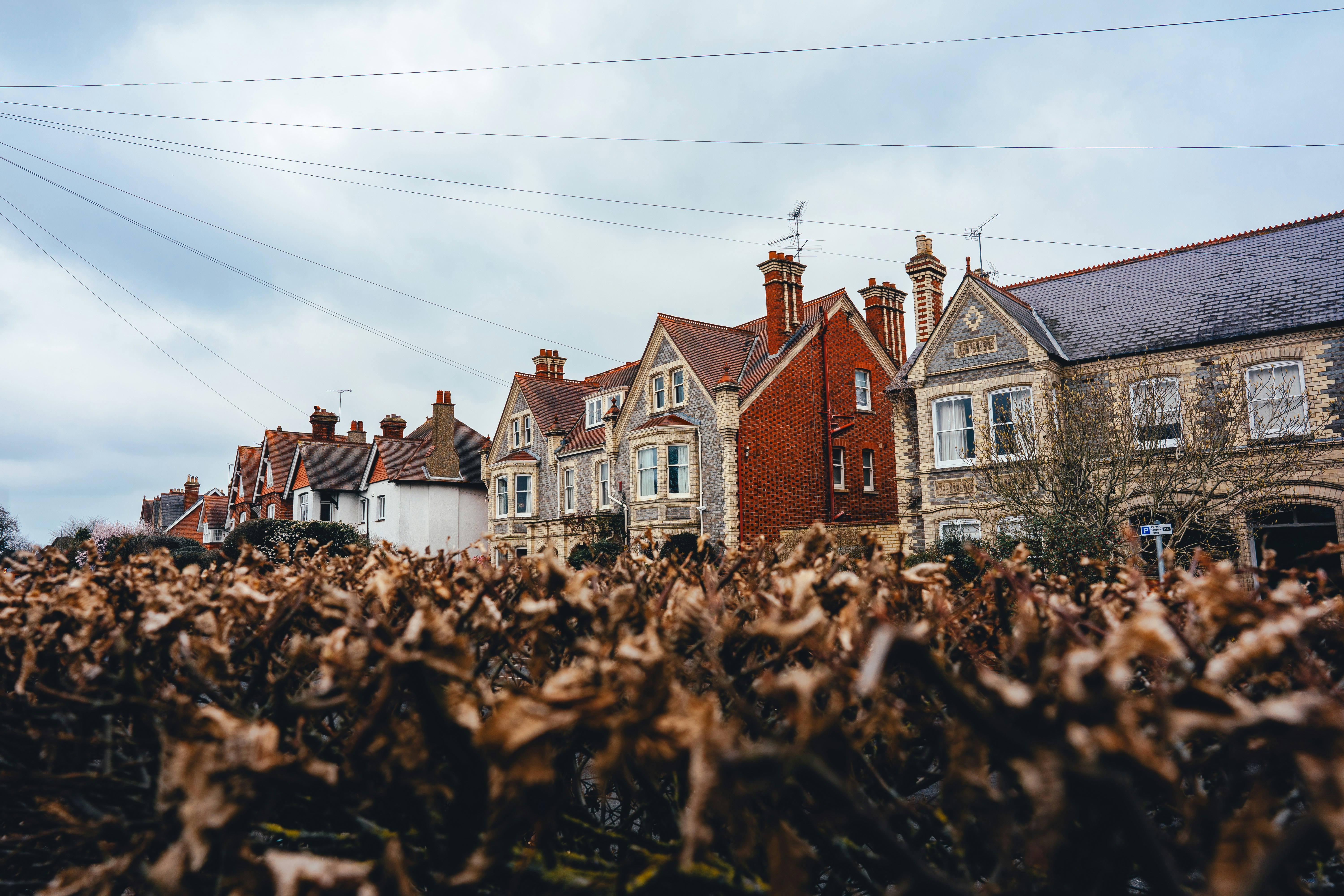
The town center presents an architectural conversation between centuries. Victorian redbrick facades stand shoulder to shoulder with postwar concrete, while newer developments add glass and steel to the mix. The Town Hall, completed in 1875, showcases Victorian civic pride with its Gothic Revival styling and imposing clock tower. Nearby, the Blade – a contemporary office building clad in distinctive blue glass – rises above the skyline, its modern aesthetic a deliberate counterpoint to its historical neighbors.
St. Laurence's Church, the oldest building still in use, dates back to at least the 12th century. Its flint walls and Norman archway have survived wars, fires, and the relentless march of urban development. Inside, memorials and brasses tell stories of merchants, soldiers, and ordinary citizens who shaped the community over nine centuries.
Green Spaces and Hidden Corners
Despite its urban density, the town offers surprising pockets of tranquility. Forbury Gardens, created on the site of the outer court of Reading Abbey, provides a Victorian pleasure ground complete with ornamental flowerbeds, a bandstand, and the Maiwand Lion – a colossal bronze sculpture commemorating soldiers of the Royal Berkshire Regiment who fell in Afghanistan in 1880.
The Thames Path National Trail passes through the northern reaches, offering walkers uninterrupted stretches of riverside beauty. Caversham Court Gardens, across the river, slope down to the water's edge, where weeping willows dip their branches and swans glide with regal indifference to the joggers puffing along the path.
A Culinary Tapestry
The local food scene reflects the town's multicultural population. Traditional British pubs still serve Sunday roasts and real ale, their blackboards advertising seasonal game and locally sourced vegetables. Yet within a few streets, Afghan kebab houses, South Indian vegetarian restaurants, and Polish delicatessens add global flavors to the mix.
The Oracle shopping center, built where Victorian waterworks once stood, houses chain restaurants alongside the canal basin, where outdoor tables catch the afternoon sun. Nearby, independent cafés in the London Street area roast their own coffee beans and serve sourdough made from heritage grain varieties – small gestures toward authenticity in an age of corporate uniformity.
The Pulse of Innovation
The town's position within the Thames Valley technology corridor has attracted major corporations in computing, telecommunications, and pharmaceuticals. Microsoft, Oracle, and Cisco have all established significant operations here, drawn by the combination of excellent transport links, available talent from the university, and proximity to London without London prices.
This corporate presence has reshaped the town in subtle ways. Modern office parks ring the periphery, while young professionals have driven demand for restaurants, bars, and cultural venues that cater to more cosmopolitan tastes. The tension between preserving local character and accommodating growth continues to be debated in council chambers and community forums.
Traces of Conflict
The two world wars left their mark, though not through physical destruction – the town escaped the worst of the Blitz. Instead, the legacy appears in memorials, in street names commemorating military units, and in the stories passed down through families. The Royal Berkshire Regiment's history, recorded in the museum at Brock Barracks, speaks of battles from Blenheim to Burma, a reminder that this seemingly peaceful town sent generations of young men to distant conflicts.
The Evening Settles
As twilight descends, office workers stream toward the railway station, their day in the town center concluded. The pubs begin to fill, conversations rising in volume as pints get poured. Along the river, the water reflects the fading light, and narrowboats rock gently in their moorings. Street musicians set up in doorways, their music drifting across squares where pigeons strut and scatter.
In these quieter moments, away from the rush of commuters and the hum of commerce, the town reveals its subtler qualities. History hasn't been preserved here in aspic, displayed behind velvet ropes for tourists to admire. Instead, it has been absorbed, adapted, and built upon – sometimes elegantly, sometimes awkwardly, but always pragmatically. This ability to change while retaining a sense of continuity has served the community well through centuries of transformation.
Much like the architectural character found in historic Chester, where Roman walls frame modern life, this Thames Valley town has learned to balance preservation with progress, creating a distinctly British compromise between heritage and convenience.


 Home
Home Wishlist