
Roquetas de Mar: Where Desert Meets Mediterranean Dreams
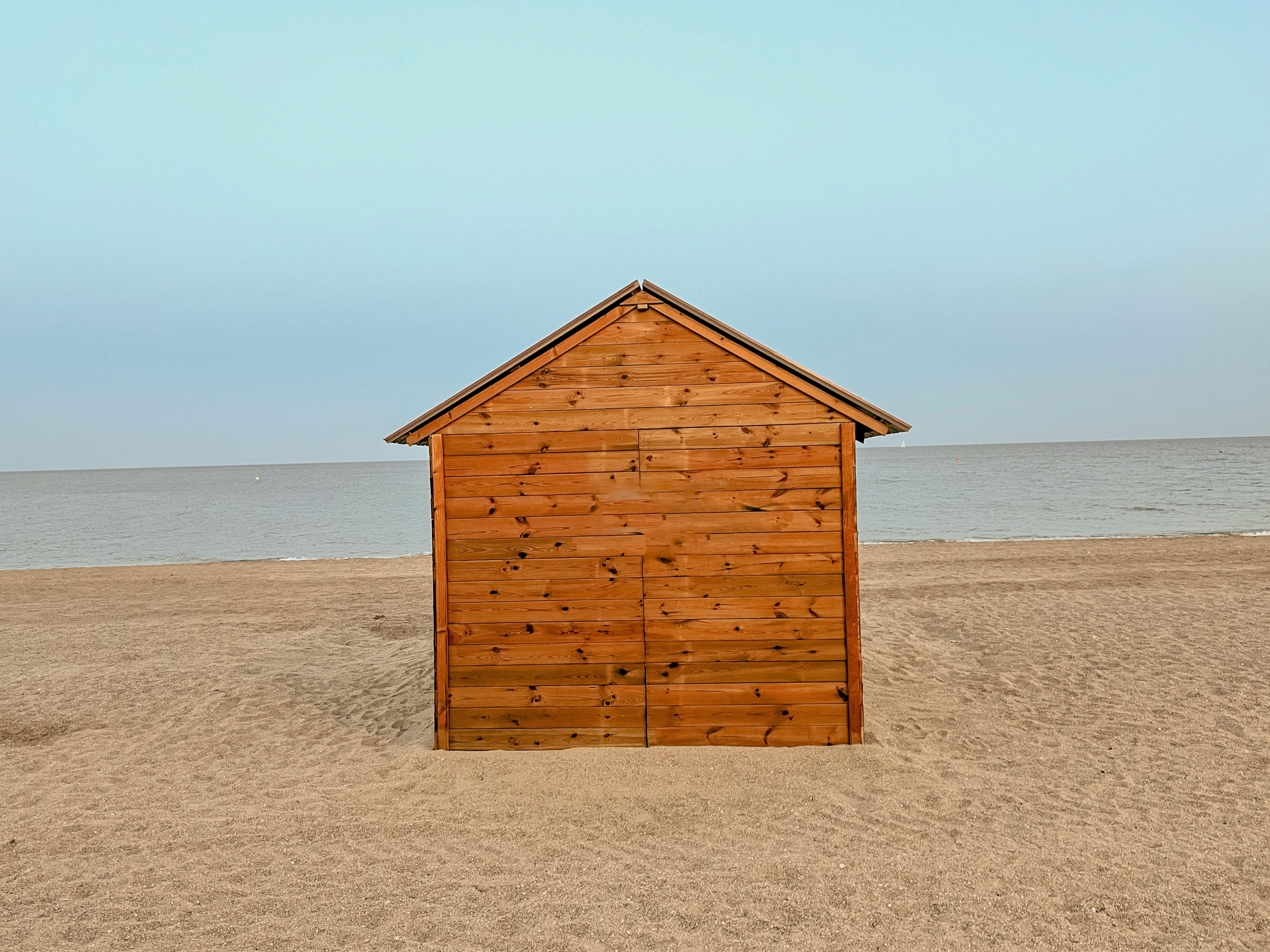
From Fishing Nets to Resort Dreams
The story of this coastal town cannot be told without acknowledging its humble origins. For generations, fishing boats were hauled onto beaches at dawn, their nets heavy with the night's catch. The scent of salt and fish hung in the air as families worked together to sort their harvest. These traditions, while less dominant today, haven't been entirely forgotten – echoes of that maritime heritage can still be found in the harbor area, where vessels bob gently against their moorings.
Through the latter half of the twentieth century, dramatic changes were set in motion. Tourism development was embraced as Spain opened itself to international visitors hungry for Mediterranean sunshine. Hotels were constructed, beaches were manicured, and infrastructure was expanded. What had been a sleepy coastal settlement was gradually transformed into a fully-fledged resort destination.
Things to do in Roquetas-de-Mar
Beaches That Define an Identity
The coastline here gets defined by its variety. Over fifteen kilometers of beaches have been developed and maintained, each offering something different to visitors. Playa Serena, with its fine golden sand and gentle waves, has long been favored by families. Blue Flag status has been awarded to several beaches, certifying their cleanliness and safety standards.
At Aguadulce, a different character gets revealed. This elongated beach stretches alongside a promenade where palm trees provide shade and cafes offer refreshment. Early morning walks here get rewarded with spectacular sunrises, the sky painted in shades of pink and orange as the Mediterranean awakens.
The Urbanización Roquetas beach offers yet another experience – modern facilities sit alongside natural dunes, creating a balance between development and preservation. Here, the contrast between Almeria's desert climate and the cooling sea breeze becomes most apparent.
At La Romanilla and Las Salinas, something more tranquil gets discovered. These beaches, slightly removed from the main tourist areas, attract those seeking quieter contemplation. The sand here feels softer somehow, less trampled, more intimate.
When Nature Reclaims Its Space
Just beyond the developed coastline, an unexpected sanctuary has been protected. The Salinas de Roquetas, former salt flats that once contributed to the local economy, have been converted into a nature reserve. Over one hundred bird species have been recorded here, including flamingos whose pink plumage creates striking contrasts against the white salt deposits and blue lagoons.
Wooden walkways guide visitors through this protected area, interpretive signs explaining the delicate ecosystems that thrive in these brackish waters. The silence here feels profound – broken only by bird calls and the whisper of wind through reeds. It serves as a reminder that even in heavily developed areas, space for nature can be carved out and cherished.
The Castle That Watched It All
Above the harbor, a sixteenth-century castle still keeps watch. This fortress, built to defend against Berber pirates who once raided these shores, has witnessed every transformation the town has undergone. Its weathered stone walls, once blackened by cannon fire, now house a cultural center and exhibition space.
From its ramparts, panoramic views get offered – the harbor spreading below, the Sierra de Gádor mountains rising inland, and the endless Mediterranean stretching to the horizon. The castle serves as a physical connection to a more turbulent past, when these shores needed defending rather than developing.
A Culinary Landscape Shaped by Sun and Sea
The dining scene here has been influenced by both traditional Almerian cuisine and international tastes. In family-run restaurants tucked along side streets, recipes passed down through generations continue to be prepared. Caldero de pescado, a rich fish stew, gets served in clay pots, its flavors deepened by saffron and local paprika.
Tapas culture thrives, as it does throughout Andalusia. Small plates get shared among friends – boquerones fritos (fried anchovies), gambas al ajillo (garlic prawns), patatas bravas dusted with paprika. Each bar has its specialty, each chef their particular twist on classics.
The greenhouse agriculture that dominates Almeria's landscape has made fresh vegetables abundant and affordable. Salads here burst with flavor – tomatoes that actually taste like tomatoes, peppers with genuine sweetness, cucumbers with satisfying crunch. The proximity to North Africa adds another dimension – couscous and tagine-inspired dishes can be found on many menus.
Water Parks and Family Pleasures
For families, major attractions have been developed. The Aquarium, one of Europe's larger facilities, houses diverse marine life displayed in carefully recreated habitats. Sharks glide overhead in tunnel tanks while tropical fish dart through coral formations. Educational programs get offered, connecting younger visitors with ocean conservation themes.
Nearby, a water park provides relief from summer heat. Slides twist and turn, wave pools generate artificial surf, and lazy rivers carry floaters on gentle circuits. The laughter of children echoes across these facilities – a soundtrack to countless family vacations.
The Desert Proximity
What makes this location unique gets fully appreciated when the surrounding landscape gets considered. Just inland, the Tabernas Desert stretches across the horizon – Europe's only true desert, a landscape so barren and beautiful that countless Western films were shot there. The proximity to such starkness makes the coastal greenery feel almost miraculous.
Day trips into this desert landscape reveal a different Spain – one of dramatic gorges, sun-bleached arroyos, and stubborn vegetation clinging to rocky slopes. The temperature differential between coast and interior can reach ten degrees or more, the Mediterranean moderating what would otherwise be unbearable heat.
Modern Comforts and Ancient Rhythms
Despite all the development and modernization, certain rhythms remain unchanged. Siesta time continues to be observed by many – shops close, streets empty, and afternoon heat gets waited out in shuttered coolness. Evening paseos still bring families onto streets and promenades as temperatures cool, conversations flowing as freely as the wine in beachfront bars.
Markets continue to be held, where local produce gets sold alongside household goods and clothing. The social function of these gatherings extends beyond mere commerce – gossip gets exchanged, relationships maintained, community bonds strengthened.
Where Contrasts Create Character
Walking along the waterfront as dusk approaches, the full complexity of this place reveals itself. Modern apartment blocks rise behind palm-lined promenades. Fishing boats rock beside pleasure craft in the harbor. Conversations in a dozen languages drift through restaurant terraces. The call to prayer from a distant mosque mingles with church bells marking the hour.
This coastal town exists in multiple states simultaneously – resort and working harbor, Spanish and international, developed and natural, past and present. These contradictions don't clash; instead, they create a texture, a depth that single-identity destinations lack. Just as travelers might explore Freiburg im Breisgau for a completely different European experience, this Almerian coast offers its own unique blend of cultures and landscapes.
As night settles over the Mediterranean and lights begin twinkling along the shore, the enduring appeal of this place becomes clear. Here, beside ancient seas, under relentless sun, a particular kind of coastal life has been crafted – one that honors tradition while embracing change, that provides modern comforts without completely erasing authentic character. For those who discover it, that balance proves irresistible.


 Home
Home Wishlist