
Salou: Where the Mediterranean Embraces Golden Shores
The Evolution of a Coastal Icon
The metamorphosis from humble fishing community to thriving resort town has been gradual yet profound. Ancient roots can be traced back to Roman times, when the coastline was already recognized for its natural beauty and strategic position. By the mid-20th century, the potential of these pristine beaches had been recognized by developers and dreamers alike, setting in motion a transformation that would reshape the entire region.
Today, evidence of that fishing heritage can still be found in the old quarter, where narrow streets wind between whitewashed buildings, and local restaurants serve seafood caught by boats that still depart at dawn. This connection to the past has been preserved even as modern infrastructure and amenities have been developed around it.
Things to do in Salou
Beaches That Define Paradise
Seven distinct beaches have been carved by nature along this stretch of coastline, each with its own character and appeal. Platja Llarga, the longest of these sandy expanses, extends for over a kilometer, its shallow waters making it particularly beloved by families. The Blue Flag status awarded to multiple beaches here speaks to the pristine quality that has been maintained despite decades of tourism.
At Platja de Ponent, a different scene unfolds. This western-facing beach has been designed with accessibility in mind, featuring wooden walkways and adapted facilities. As evening approaches, unforgettable sunsets can be witnessed here, the sky painted in shades of amber and rose as the sun dips below the horizon.
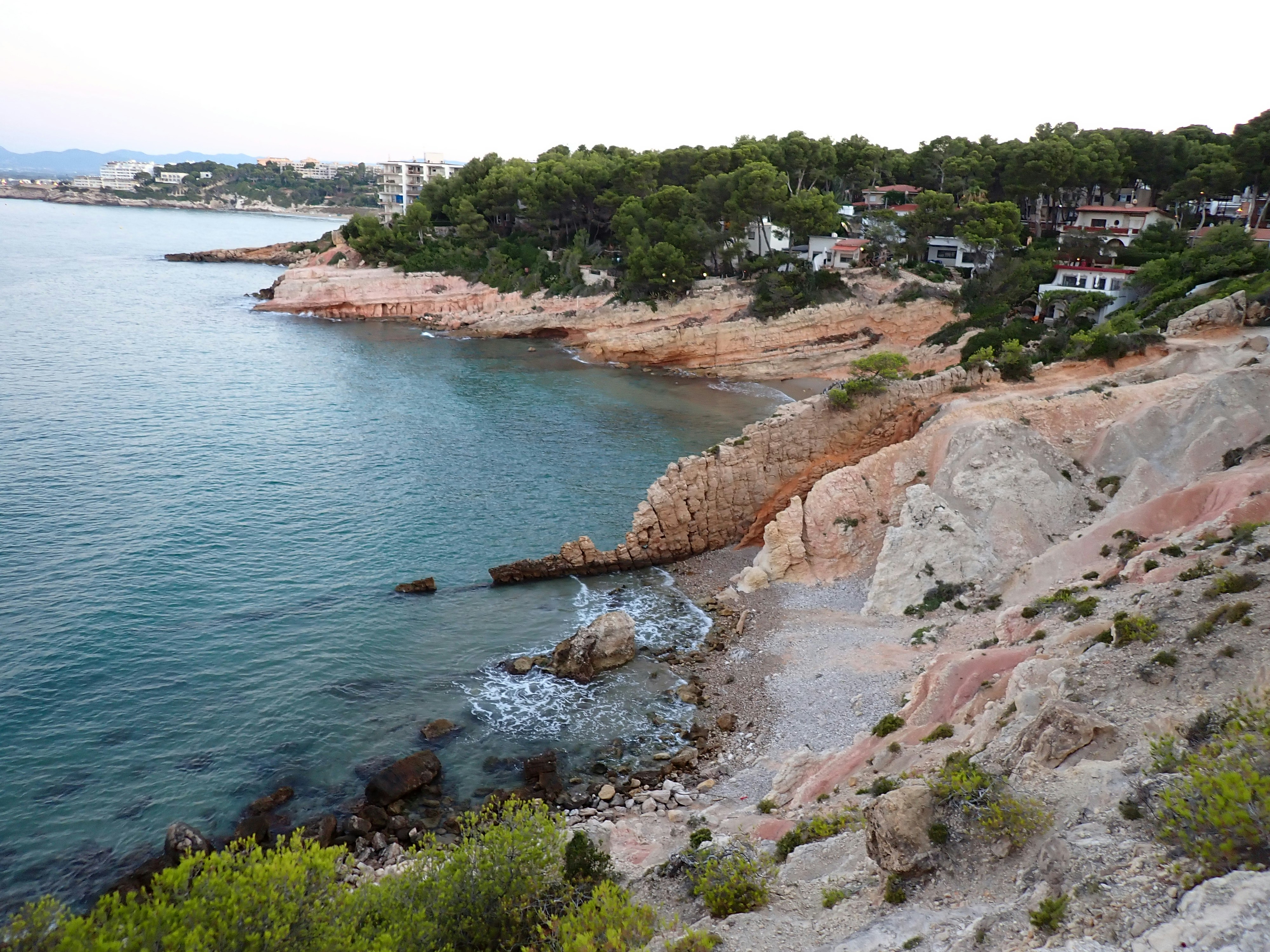
The smaller coves scattered along the coastline offer more intimate experiences. Cala Crancs and Cala Font, though requiring a bit of effort to reach, reward visitors with crystalline waters and a sense of seclusion that feels worlds away from the busier central beaches.
The Promenade Experience
The Passeig Jaume I has been transformed into the beating heart of coastal life here. This palm-lined boulevard stretches along the waterfront, connecting beaches and neighborhoods in a continuous ribbon of activity. Cyclists, joggers, and leisurely walkers share the path, while benches positioned at intervals invite pauses to simply absorb the view.
By day, the promenade hums with energy. Ice cream vendors do brisk business, street performers gather crowds, and the scent of sunscreen mingles with salt air. After dark, a different atmosphere takes hold. Restaurants spill light onto the walkway, live music drifts from bars, and the illuminated Luminous Fountain becomes a focal point for evening gatherings.
Adventures Beyond the Beach
While sand and sea form the primary draw, diverse experiences have been cultivated for those seeking variety. PortAventura World, one of Europe's most visited theme parks, sits just minutes away, its roller coasters and attractions providing thrills that contrast beautifully with beach relaxation.
Water sports enthusiasts find themselves well-served here. Jet skiing, parasailing, and paddleboarding opportunities abound, while diving schools offer excursions to underwater caves and rocky formations where marine life thrives. For those preferring to stay dry, coastal hiking trails wind through pine forests and along clifftops, offering perspectives of the coastline that can't be gained from the beach itself.
The nearby Cap Salou provides one such vantage point. This rocky headland can be reached via a pleasant walk, and from its heights, panoramic views encompass the entire bay. On clear days, the mountains of the interior can be spotted rising in the distance.
Flavors of the Coast
Catalonian culinary traditions have been kept alive in kitchens throughout the town, even as international influences have been welcomed. Fresh seafood dominates menus, prepared in ways that honor local customs while occasionally nodding to contemporary trends.
Suquet de peix, a traditional fish stew, can be found simmering in pots at family-run restaurants, its recipe passed down through generations. Fideuà, the regional answer to paella but made with noodles instead of rice, arrives at tables sizzling in its pan, topped with prawns and alioli. These dishes pair beautifully with wines from the nearby Priorat and Montsant regions, where sun-baked hillsides produce reds of remarkable depth and character.
At the bustling market held weekly, local produce takes center stage. Tomatoes still warm from the sun, fragrant herbs, and seasonal fruits get selected by locals and visitors alike, many destined for picnics on the beach or meals prepared in holiday apartments.
Family-Friendly Paradise
Special attention has been paid to creating an environment where families feel welcomed and catered to. Beyond the safe swimming conditions and clean beaches, numerous parks and playgrounds have been scattered throughout the residential areas. Mini-golf courses, go-kart tracks, and arcades provide entertainment when beach time needs a break.
The Illuminated Fountain shows, held regularly during summer months, have become something of a tradition for families. Water jets dance in choreographed patterns while colored lights and music create a spectacle that captivates children and adults equally. Blankets get spread on the surrounding lawns as the show begins, ice cream in hand, making for memories that linger long after tans have faded.
The Rhythm of the Seasons
While summer brings the peak crowds and energy, each season offers its own appeal. Spring sees the town awakening gradually, temperatures climbing to comfortable levels while beaches remain relatively uncrowded. This period gets favored by those seeking tranquility and by cycling enthusiasts who appreciate the mild weather for longer rides.
Autumn extends the beach season well into October, the Mediterranean retaining its warmth even as northern Europe chills. Festivals celebrating local saints and harvest traditions fill the calendar, offering windows into traditions that predate the tourist boom.
Even winter has its devotees. Though swimming becomes the domain of only the hardiest souls, the promenade remains pleasant for walks, restaurants stay open, and hotel rates drop significantly. This quieter season reveals a different side of the town, one more connected to its roots and everyday rhythms.
Connections Near and Far
The convenience of location has certainly contributed to the popularity enjoyed by this coastal retreat. Reus Airport sits just minutes away, while Barcelona-El Prat Airport can be reached within ninety minutes. Rail connections link the town to Barcelona and other Catalonian cities, making day trips entirely feasible.
Yet despite these easy connections, a sense of escape gets maintained once you've arrived. The focus remains firmly on relaxation, on the simple pleasures of sun and sea, on meals that stretch late into the evening, and on the kind of unstructured time that feels increasingly rare in our hurried world.
The magic here lies not in grand monuments or cultural institutions, but in the everyday poetry of Mediterranean life – in morning swims before the crowds arrive, in the taste of just-caught fish grilled simply with lemon and olive oil, in the feel of sand between toes and sun on shoulders. For those seeking a different kind of coastal experience, the northern shores have their own appeal; Travemunde offers a fascinating contrast with its Baltic character and maritime heritage. Yet here along the Costa Daurada, the promise remains constant: days measured not by clocks but by tides, by the arc of the sun across an endless blue sky, and by the gentle insistence of waves reminding us that some rhythms have remained unchanged for millennia.


 Home
Home Wishlist