
Seville: Where Passion and Tradition Dance Under the Andalusian Sun
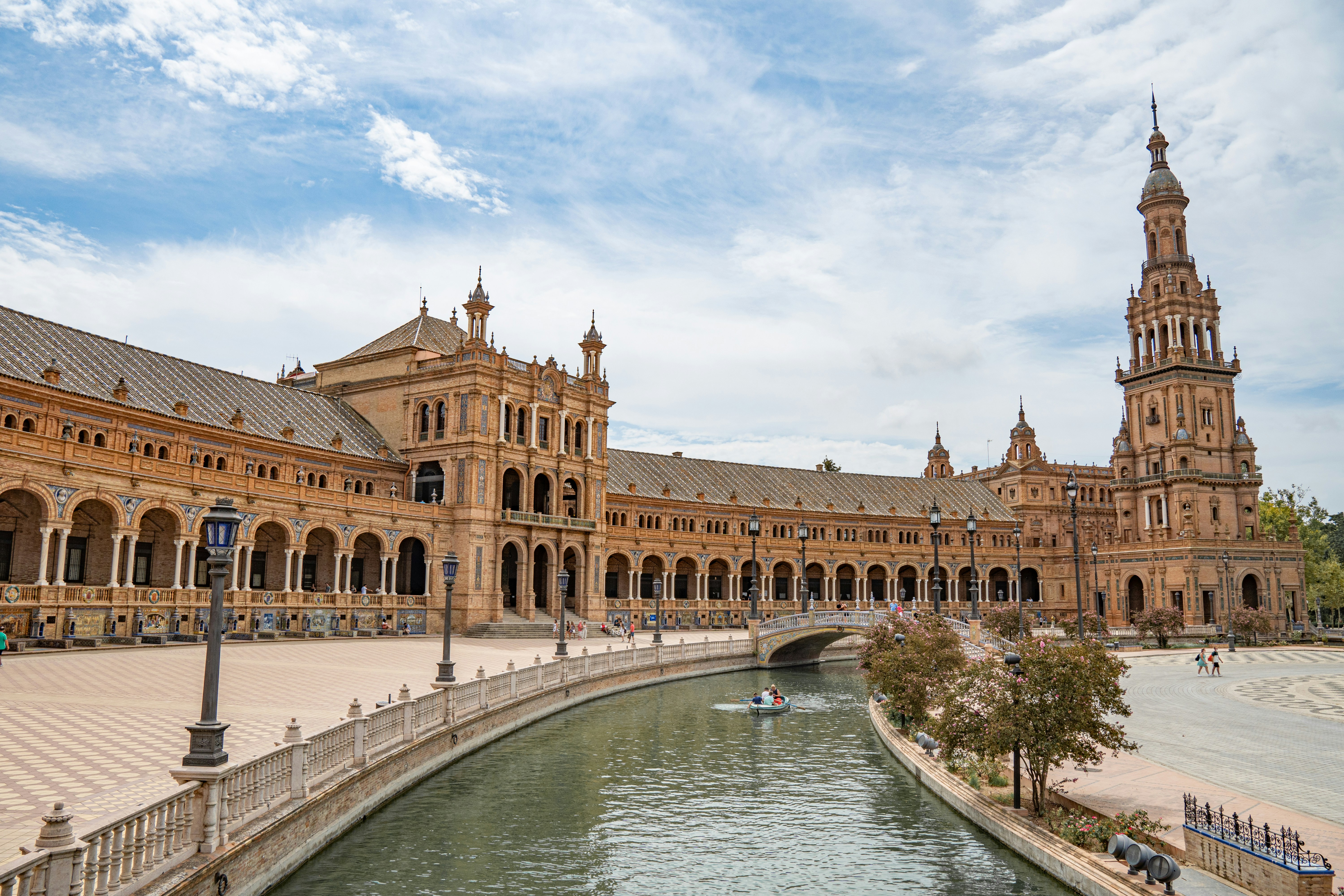
The Weight of Centuries
Few European cities have been shaped by such diverse influences as this southern Spanish jewel. Romans built here first, establishing Hispalis as a significant provincial city. Visigoths followed, then came eight centuries of Moorish rule that transformed the urban landscape completely. The Almohad dynasty left behind the Giralda tower in the 12th century, its elegant minaret rising above the cityscape. Christian conquest in 1246 brought yet another cultural layer, though Islamic architectural influences were carefully preserved and incorporated into new constructions.
The Cathedral of Seville was begun in 1401 on the site of the great mosque. Builders declared their ambition boldly: "Let us construct something so magnificent that future generations will think us mad." That promise has been kept. The massive Gothic structure holds the title of largest cathedral by volume in the world. Within its soaring nave, Christopher Columbus's tomb rests on the shoulders of four allegorical figures representing the kingdoms of Spain. Whether his remains truly lie here continues to be debated by historians, but the symbolism speaks volumes about the city's role in Spain's Age of Discovery.
Things to do in Sevilla
Golden Age Splendor
The 16th and 17th centuries marked the city's zenith. After the discovery of the Americas, a monopoly on Spanish trade with the New World was granted to Seville. Gold and silver flooded through the port on the Guadalquivir River. The population swelled. Artists, merchants, and adventurers from across Europe were drawn by opportunity and wealth. Painters like Murillo and Velázquez created masterworks in workshops scattered throughout the barrios. The city's architectural heritage was enriched by Renaissance palaces and baroque churches funded by New World riches.
This prosperity left an indelible mark on the urban fabric. The Casa de Pilatos blends mudéjar, Gothic, and Renaissance elements into a stunning aristocratic residence. Its azulejo tiles gleam in sunlight filtering through arched corridors. The Hospital de los Venerables, once a retirement home for priests, now houses an exceptional art collection within its jewel-box church. These buildings weren't simply constructed; they were crafted with care by artisans who understood that beauty served a higher purpose.
The Art of Living
Daily life in the Andalusian capital follows rhythms incomprehensible to northern Europeans. Mornings begin slowly with café con leche and tostada. Work happens in measured bursts interrupted by frequent social interactions. The afternoon heat brings everything to a halt. Shutters get closed against the blazing sun. Streets empty. The city breathes slowly until evening brings relief and renewed energy.
Tapas culture reaches its apotheosis here. Small plates of jamón ibérico, tortilla española, and pescaíto frito get shared among friends at bar after bar. Drinks flow – manzanilla sherry from nearby Sanlúcar, rebujito cocktails mixing sherry with lemon soda. Conversations grow louder and more animated as night deepens. This ritual eating, drinking, and socializing forms the backbone of local culture. Relationships get built and maintained through these daily interactions.
Soul in Motion
Flamenco wasn't invented here, but nowhere else has the art form been embraced with such fervor. The Triana neighborhood across the river has produced legendary performers for generations. In small tablaos tucked down narrow streets, guitars wail and palmas (hand claps) crack like thunder. Dancers stamp out complex rhythms while singers pour their souls into gut-wrenching cante jondo.
This isn't entertainment created for tourists, though plenty of visitors get their first taste at commercial venues. Flamenco represents something deeper – a way of expressing duende, that untranslatable quality encompassing passion, authenticity, and emotional rawness. When performed by true artists, the experience transcends culture and language. Pain, joy, longing, and defiance get channeled through music and movement into something almost sacred.
Sacred and Profane
Holy Week processions through the historic center rank among Christianity's most dramatic religious observances. Sixty-odd brotherhoods parade enormous floats bearing Madonna statues and crucifixion scenes. Nazarenos in pointed hoods march slowly through packed streets while saetas – spontaneous flamenco-style prayers – ring out from balconies overhead. Incense smoke mingles with the scent of candle wax and night-blooming jasmine. Drums pound. The faithful weep openly at the sight of their neighborhood Virgin passing.
Just weeks later, the Feria de Abril explodes with secular celebration. Private casetas (tented pavilions) fill the fairground, offering sherry, dancing, and socializing until dawn. Women parade in flamenco dresses, their polka dots and ruffles swishing as they dance sevillanas. Horsemen in traditional costume show off their mounts. The contrast between Semana Santa's solemnity and the Feria's joyful abandon perfectly captures the Sevillano character – deeply religious yet utterly committed to celebrating life's pleasures.
Hidden Courtyards
The city's greatest treasures often lie behind unassuming doorways. Patios – interior courtyards – provide private oases where fountains splash and potted plants cascade from wrought-iron balconies. These spaces evolved as practical solutions to the brutal summer heat, but they became something more: intimate worlds where families gathered away from public view.
Each spring, private patios get opened to visitors during the Concurso de Patios competition. Owners spend months cultivating geraniums, jasmine, and carnations into cascading displays of color. Blue and white tiles reflect dappled light. The sound of water soothes. These glimpses behind the facade reveal an essential truth: beauty here isn't reserved for public monuments and grand plazas. It gets woven into daily domestic life.
The River's Edge
The Guadalquivir divides the city, with historic neighborhoods clustered on the eastern bank and Triana rising across the water. This working-class barrio has maintained its distinct identity despite gentrification pressures. Ceramic workshops still produce the azulejo tiles that adorn buildings throughout Andalusia. Market vendors at the Mercado de Triana hawk fresh fish and produce. The neighborhood's famous bullring, the Real Maestranza, stands as one of the oldest and most prestigious plazas de toros in Spain.
Recent decades have seen the riverfront transformed. The 1992 Expo brought modern infrastructure and bold architecture. The Metropol Parasol, completed in 2011, thrust contemporary design into the historic center with its massive wooden lattice structure. Opinions remain divided on whether such modern interventions enhance or detract from the city's character. What seems certain: this tension between preservation and innovation will continue shaping the urban landscape.
Summer's Fury
July and August test human endurance. Temperatures regularly exceed 40°C (104°F). The sun beats down mercilessly on whitewashed walls and cobblestone streets. Only mad dogs and tourists venture out during peak afternoon heat. Locals retreat indoors, making survival plans that involve air conditioning, cold gazpacho, and patience. The city slows to a crawl, waiting for September's relief.
Yet even this brutal heat feels like part of the authentic experience. The intensity of summer matches the intensity of everything else here. Life doesn't get lived at half-measure in this corner of Andalusia. Emotions run hot. Celebrations reach excess. Even the climate refuses moderation. Visitors who arrive in shoulder seasons – spring or autumn – encounter a gentler environment, but perhaps miss something essential about the place's character.
Tables and Traditions
Sevillano cuisine draws from centuries of layered influences. Gazpacho and salmorejo – cold tomato soups – were perfected here as survival strategies against summer heat. Pescaíto frito showcases fish from nearby Atlantic waters, fried simply in olive oil. Spinacas con garbanzos reflects the Moorish heritage, combining chickpeas with spices. Rabo de toro (oxtail stew) emerges from the city's bullfighting culture, transforming a humble cut into something sublime through slow braising.
The best meals happen in simple neighborhood taverns where menus might not exist and recommendations get shouted from behind the bar. El Rinconcillo, operating since 1670, scrawls bills directly on the wooden bar. These establishments care little for trends or tourist expectations. The food speaks for itself – honest preparations of quality ingredients, recipes passed through generations, flavors that connect directly to this particular landscape and culture.
As evening light turns the Giralda golden and swallows begin their acrobatic flights above the cathedral, the city's magic becomes undeniable. This place demands something from visitors that goes beyond mere sightseeing. It asks for surrender to the moment, acceptance of its rhythms, willingness to feel rather than simply observe. Those who open themselves to that invitation often find themselves changed, carrying a piece of Andalusian passion home with them. Some travelers find themselves drawn to other Spanish cities for comparison, or even venture north to explore places like Hamburg, though few destinations match the sheer emotional intensity found in this southern capital.




 Home
Home Wishlist