
Sitges: A Mediterranean Jewel of Art and Liberation
Where the Mountains Meet the Sea
Just thirty-five kilometers southwest of Barcelona, a remarkable transformation takes place. The Costa Dorada's golden beaches meet the dramatic backdrop of the Garraf massif, creating a landscape that has captivated visitors for over a century. This particular stretch of Mediterranean coastline was discovered by artists and intellectuals in the late 1800s, and their influence can still be felt in every corner of the old town.
Seventeen beaches dot the shoreline, each with its own character and following. Some get crowded with families building sandcastles and splashing in the shallow waters. Others attract a more specialized crowd – sun-seekers who appreciate the town's long-standing reputation for tolerance and celebration of diversity. The promenade connecting these beaches becomes a stage each evening, where locals and visitors alike participate in the timeless Mediterranean ritual of the paseo.
Things to do in Sitges
An Artistic Heritage Preserved
The legacy of Santiago Rusiñol, the Catalan artist who fell in love with this fishing village in the 1890s, has been carefully maintained. His former residence and studio, now the Museu Cau Ferrat, houses an impressive collection of his own works alongside pieces by El Greco and other masters. The building itself, with its Gothic windows salvaged from demolished churches and its eclectic mix of ceramics and ironwork, serves as a testament to the artistic bohemianism that once flourished here.
Adjacent to this museum, the Museu Maricel showcases art from the medieval period through to the twentieth century. Both institutions occupy prime positions along the seafront, their terraces offering sweeping views of the Mediterranean. The experience of viewing art while hearing waves crash against the rocks below adds an elemental dimension rarely found in conventional galleries.
Architectural Treasures Hidden in Plain Sight
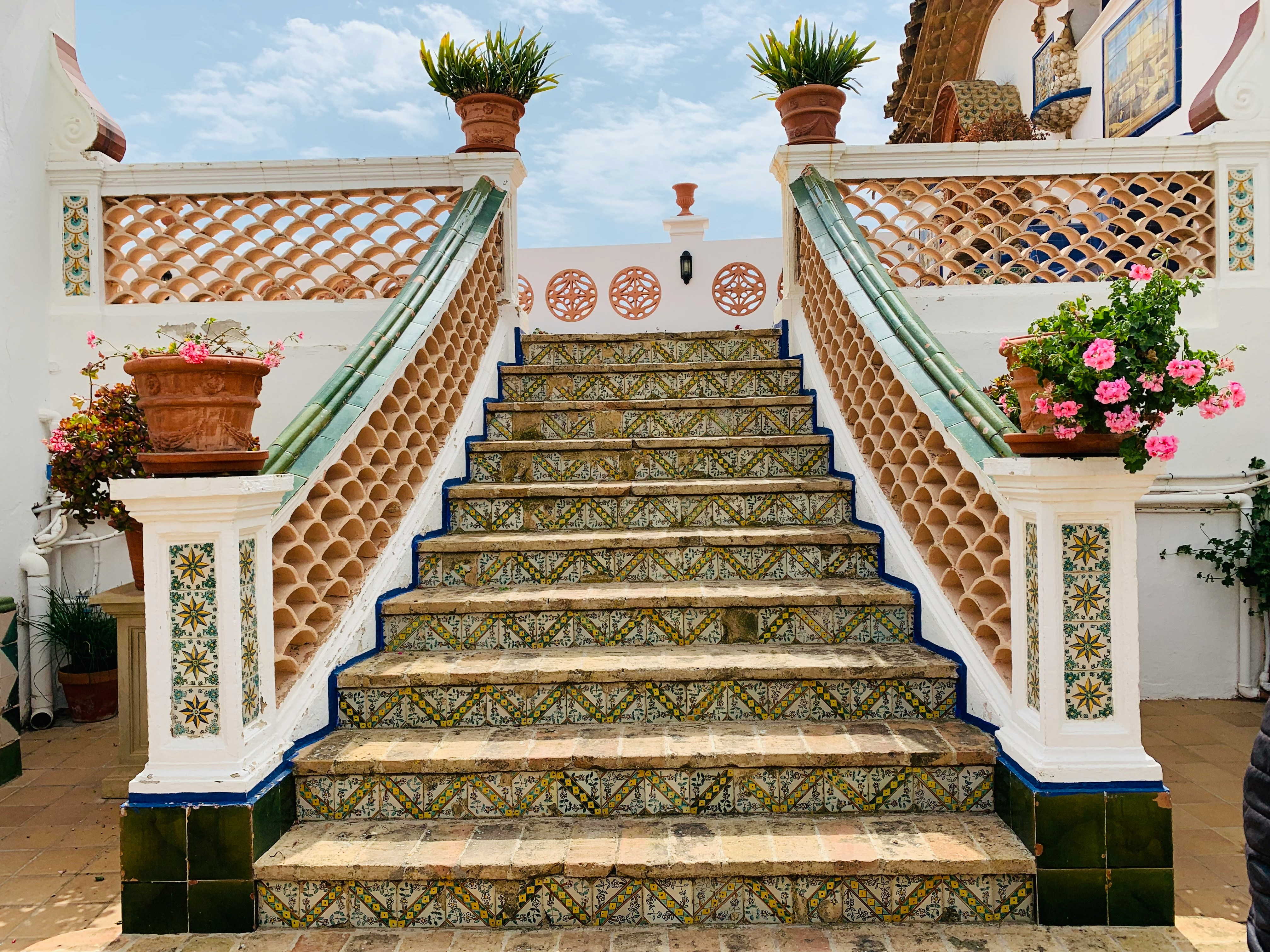
Walking through the narrow streets of the old quarter reveals architectural surprises at every turn. The Baroque church of Sant Bartomeu i Santa Tecla dominates the skyline, its pale facade visible from almost anywhere in town. But it's the smaller details that reward closer attention – modernist buildings with their sinuous lines and decorative flourishes, hidden courtyards filled with bougainvillea, ancient stone houses that have witnessed centuries of comings and goings.
The Palau Maricel, a palace constructed in the early twentieth century, exemplifies the town's artistic ambitions. Its interior spaces, adorned with elaborate decoration and housing important art collections, can be visited during special events and concerts. The Blue Salon, with its stunning painted ceiling and views across the water, has been described by many as one of the most beautiful rooms in Catalonia.
Celebration Elevated to an Art Form
Throughout the year, the town transforms itself repeatedly, each festival bringing its own energy and spectacle. Carnaval, one of the most famous in Spain, takes over for an entire week each February. Extravagant costumes, outrageous performances, and a spirit of uninhibited celebration attract participants from around the world. The Sunday parade, in particular, has achieved legendary status, with elaborate floats and costumed revelers creating a spectacle that must be seen to be believed.
The Festa Major, held in late August, honors the town's patron saint with traditional Catalan festivities. Giants and big-heads parade through the streets, castellers build human towers in the main square, and the night sky gets illuminated by impressive fireworks displays. These traditions, passed down through generations, connect the present to a past when this was still a simple fishing village.
Cinema by the Sea
Each October, the Sitges Film Festival draws horror and fantasy film enthusiasts from across the globe. What began in 1968 as a modest event has grown into one of the world's leading festivals in its genre. The town's theaters fill with filmmakers, critics, and devoted fans who come to discover the next cult classic or reunite with fellow aficionados. The festival's atmosphere – simultaneously serious about cinema and celebratory in spirit – perfectly captures the town's unique character.
Outdoor screenings on the beach add a magical dimension to the experience. Watching a classic horror film with sand beneath your feet and stars overhead creates memories that last far longer than the films themselves. The festival has helped establish the town's reputation as a place where artistic expression gets celebrated in all its forms, no matter how unconventional.
A Culinary Scene Worth Savoring
The gastronomic offerings reflect both traditional Catalan cuisine and contemporary innovation. Fresh seafood, caught daily in local waters, appears on menus throughout town. Xató, a distinctive salad made with endive, salt cod, tuna, anchovies, and a rich romesco-style sauce, has been claimed as a local specialty. The sauce itself – a complex blend of almonds, hazelnuts, dried peppers, and other ingredients – varies from restaurant to restaurant, with each establishment guarding its particular recipe.
Malvasia wine, produced in the region for centuries, has experienced a renaissance in recent years. Several local wineries have revived this traditional sweet wine, and tastings can be arranged at various locations around town. Paired with local almonds or enjoyed as a dessert wine, it provides a taste of the area's viticultural heritage.
The Modern Beach Town Experience
Despite its rich history and cultural offerings, the town hasn't forgotten its primary appeal – the Mediterranean lifestyle. Beach clubs line the shore, offering everything from quiet sunbathing to lively parties. Water sports enthusiasts find plenty of options, from paddleboarding and kayaking to sailing and jet skiing. The calm waters and consistent weather make outdoor activities possible for much of the year.
As evening approaches, the focus shifts to the countless bars and restaurants that spill out onto streets and squares. The atmosphere remains relaxed yet vibrant, with conversation and laughter filling the air. Later in the night, clubs and music venues come alive, particularly in the summer months when the town's population swells with visitors seeking both culture and entertainment.
Inclusivity as a Way of Life
What truly distinguishes this coastal gem from countless other Mediterranean beach towns gets harder to quantify but impossible to miss. An atmosphere of acceptance and celebration of diversity has been cultivated over decades. This reputation has made the town a particularly popular destination for LGBTQ+ travelers, who find a welcoming environment and a vibrant social scene.
This inclusive spirit extends beyond any single community. Artists, families, retirees, and young professionals all find their place here. The town seems to understand that diversity enriches rather than dilutes, that different perspectives and lifestyles can coexist and even enhance one another. This philosophy, perhaps more than any single monument or museum, defines the essential character of the place.
Time moves differently in Mediterranean coastal towns. Days blend together in a pleasant haze of sun, sea, and social connection. Yet beneath the surface relaxation, a deeper appreciation develops – for beauty preserved across generations, for communities that value both tradition and progress, for places that allow people to be fully themselves. These qualities, cultivated carefully over more than a century, ensure that certain destinations remain etched in memory long after tans fade and souvenirs get packed away. For travelers seeking a similar blend of cultural richness and coastal charm, destinations like Hamburg offer their own unique interpretations of waterfront living and artistic heritage.


 Home
Home Wishlist