
Sorrento: Where Cliffs Meet Dreams
A Tapestry Woven Through Centuries
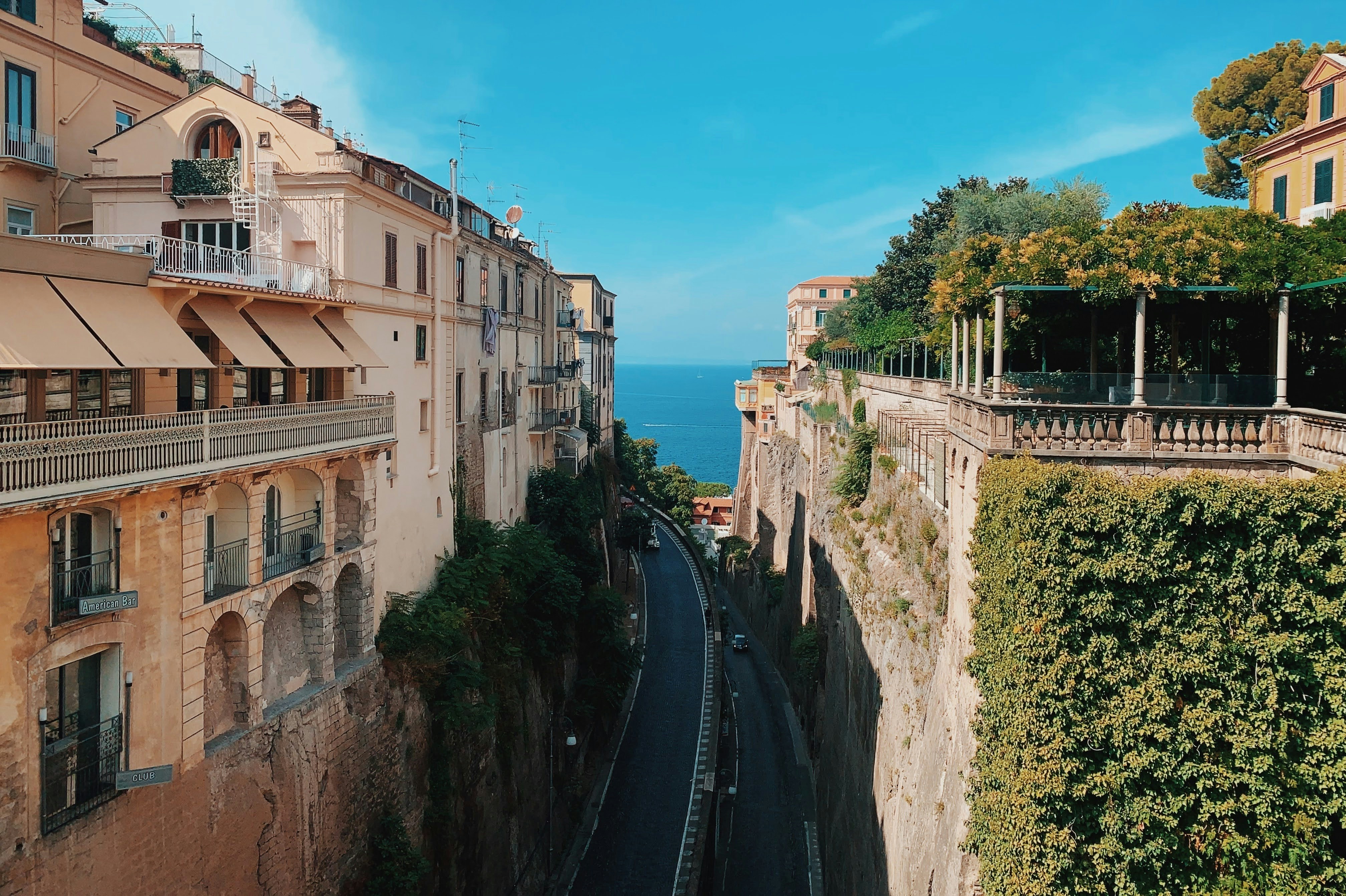
The foundations of this clifftop town were laid by ancient peoples who recognized the strategic value of its elevated position. Greek influence was followed by Roman settlement, though much of what can be observed today was shaped by medieval development. Stone buildings were constructed along narrow lanes that wind through the historic center, their architecture reflecting both defensive necessity and aesthetic ambition.
Through successive centuries, the town's fortunes were tied to maritime trade and agriculture. Lemon groves were cultivated on impossibly steep terraces, their fruit prized not just locally but across European markets. The famous limoncello liqueur can be traced back generations, its recipe guarded and perfected by local families who understood that the volcanic soil and coastal climate produced something extraordinary.
Things to do in Sorrento
The Poetry of Place
What draws visitors here cannot be reduced to a simple list of attractions. Rather, it's the cumulative effect of sensory experiences that begin the moment the town comes into view. The approach by road reveals panoramic vistas that have been photographed countless times yet somehow never lose their power to astoniate. Bougainvillea cascades over ancient walls, its vibrant fuchsia petals providing bursts of color against weathered stone.
The main square, Piazza Tasso, was named for the Renaissance poet Torquato Tasso, who was born here in 1544. This social hub buzzes with activity throughout the day, though its character shifts with the light. Morning sees locals gathering for espresso and conversation, while evenings bring a more languid energy as tourists and residents alike pause to watch the sun descend toward the horizon.
Where Land Meets Sea
The relationship between town and water defines much of daily life here. Marina Grande, the old fishing harbor, retains an authenticity that can feel rare in popular tourist destinations. Fishing boats bob in the protected inlet while seafood restaurants line the waterfront, their tables often claimed early by those who know that the day's catch will be prepared with minimal fuss but maximum respect for quality.
Getting down to sea level requires either a determined walk down steep pathways or a more leisurely bus ride, but the journey itself becomes part of the experience. Along the way, glimpses of private gardens reveal the same citrus cultivation that has characterized the region for centuries. The terracing system, painstakingly maintained over generations, represents not just agricultural ingenuity but a deep understanding of how to work with dramatic topography rather than against it.
Beyond the Postcard
While the views from above naturally dominate most visitors' memories, the town's true character can be discovered in quieter moments. Side streets away from the main thoroughfares reveal artisan workshops where traditional crafts continue to be practiced. Marquetry, an intricate form of wood inlay, has been perfected here over centuries. Local craftsmen create everything from small jewelry boxes to elaborate furniture pieces, their designs often incorporating motifs from the surrounding landscape.
Churches scattered throughout the town offer both architectural interest and moments of calm refuge. The Basilica di Sant'Antonino honors the town's patron saint, its interior decorated with ex-votos – offerings left by sailors and fishermen grateful for protection at sea. These simple tokens tell stories of faith, danger, and deliverance that span generations.
Culinary Traditions
Food here cannot be separated from place. The same lemons that perfume the air find their way into countless dishes, from simple pasta preparations to elaborate desserts. Gnocchi alla sorrentina, baked with tomato sauce and mozzarella, represents comfort food elevated by quality ingredients and time-honored technique. Delizia al limone, a sponge cake soaked in limoncello and covered with lemon cream, manages to be both light and indulgent.
Trattorias tucked along narrow lanes serve meals that reflect seasonal availability and regional pride. Locally caught seafood appears on menus alongside produce from nearby farms. The volcanic soil that makes lemon cultivation so successful also nurtures tomatoes of exceptional sweetness and vegetables that taste distinctly of their terroir. Wine from surrounding hillsides complements meals with varieties that have been cultivated in Campania since ancient times.
Gateway to Wonder
The town's position makes it an ideal base for exploration. The Amalfi Coast stretches along dramatic cliffs to the east, its winding road revealing one stunning vista after another. Ancient Pompeii and Herculaneum lie within easy reach, their preserved ruins offering haunting windows into Roman life frozen by volcanic catastrophe. The island of Capri can be reached by ferry, its blue grottos and rugged beauty having enchanted visitors since the days when Roman emperors built villas along its shores.
Mount Vesuvius looms in the distance, a constant reminder of the volcanic forces that shaped this entire region. Hiking trails lead through chestnut forests and along cliff edges, offering perspectives that change with elevation and season. Spring brings wildflowers that carpet hillsides, while autumn light casts everything in warm amber tones.
The Rhythm of Days
Life here moves according to patterns that feel refreshingly disconnected from the frantic pace found elsewhere. Shops close for leisurely lunch breaks, not as a quaint tradition maintained for tourists but as a genuine commitment to quality of life. Evenings bring the passeggiata, that quintessentially Italian ritual of strolling without particular destination, seeing and being seen, exchanging greetings and gossip.
The changing seasons bring different flavors to daily routine. Summer sees beaches crowded and restaurants full, the town embracing its role as vacation destination with good-natured hospitality. Winter offers quieter pleasures – fewer crowds, lower prices, and a chance to experience the place as locals do when not performing for an audience of visitors.
Sunset Contemplations
As day transitions to evening, the true magic of this place reveals itself. The setting sun paints the Bay of Naples in shades of gold and rose, silhouetting the islands offshore and casting long shadows across the water. From terraces and viewpoints throughout town, this daily spectacle attracts photographers and romantics, philosophers and dreamers. The same view that inspired ancient poets continues to work its quiet alchemy on modern hearts.
In these moments, the appeal of this clifftop town becomes clear. It offers not just beauty, though beauty abounds, but a certain quality of experience that feels increasingly precious. Here, meals last hours and conversations meander without urgency. Here, the sound of church bells marking time competes with the distant crash of waves. Here, surrounded by citrus-scented air and Mediterranean light, travelers from Florence and elsewhere discover what it means to pause, to breathe, to simply exist in a place where cliff and sea meet sky in endless conversation.


 Home
Home Wishlist