
Travemünde: Where Baltic Breezes Meet Maritime Heritage
A Gateway Between Worlds
At the mouth of the Trave River, where freshwater meets the Baltic Sea, a remarkable transformation takes place. What began centuries ago as a modest fishing village has been shaped by maritime trade, royal favor, and the timeless appeal of seaside leisure into something altogether unique. The strategic position at this river's end was recognized early, and fortifications were built to protect what would become a vital passage to inland commerce.
By the 13th century, the settlement had been granted special trading privileges, and vessels from across the Hanseatic League found safe harbor here. Salt, herring, and timber were loaded and unloaded at bustling docks, while merchants conducted business in timber-framed warehouses that still line certain waterfront stretches today. The connection to the great mercantile city upstream remained strong throughout the centuries, though a distinct identity was forged by wind, waves, and the particular rhythms of coastal life.
Things to do in Travemunde
Architectural Echoes of the Past
A walk through the old quarter reveals layers of history preserved in brick and stone. The lighthouse, painted in bold red and white stripes, was erected in 1539 and claims the distinction of being one of the oldest on the Baltic coast still standing. Its sturdy form was designed to guide ships through treacherous waters, and for nearly five centuries, this beacon has performed its duty faithfully.
Nearby, the Church of St. Lorenz displays the characteristic gothic architecture of the Hanseatic tradition. Its nave was consecrated in the 15th century, and within its walls, maritime-themed votive offerings were hung by sailors grateful for safe passage. Ship models suspended from the ceiling serve as reminders that the congregation's fortunes have always been tied to the sea.
The Vorderreihe, a charming row of fishermen's houses painted in pastel hues, provides a glimpse into how ordinary seafaring families once lived. These modest dwellings, with their steep roofs and tiny windows, were built to withstand fierce Baltic storms. Today, many have been converted into cozy cafes and galleries, but their essential character has been preserved.
The Golden Age of Sea Bathing
A dramatic shift occurred in the 19th century when the therapeutic properties of sea air and saltwater bathing became fashionable among European aristocracy. What had been a working harbor began to attract a different kind of visitor – one seeking health, relaxation, and the romantic allure of the coast.
Grand hotels were constructed along the newly developed promenade, their ornate facades reflecting the optimism and prosperity of the era. A casino was established, along with elegant bathhouses where visitors could partake in supervised sea bathing, considered by physicians of the time to be beneficial for numerous ailments. The beach was groomed, wooden walkways were laid, and the transformation into a fashionable resort was complete.
The iconic Strandkorb – those distinctive hooded beach chairs that have become synonymous with German seaside culture – were invented here in 1882. Their design, offering protection from wind and sun while allowing occupants to enjoy the view and sea air, proved perfect for Baltic conditions and quickly spread to beaches across the north.
A Working Harbor Endures
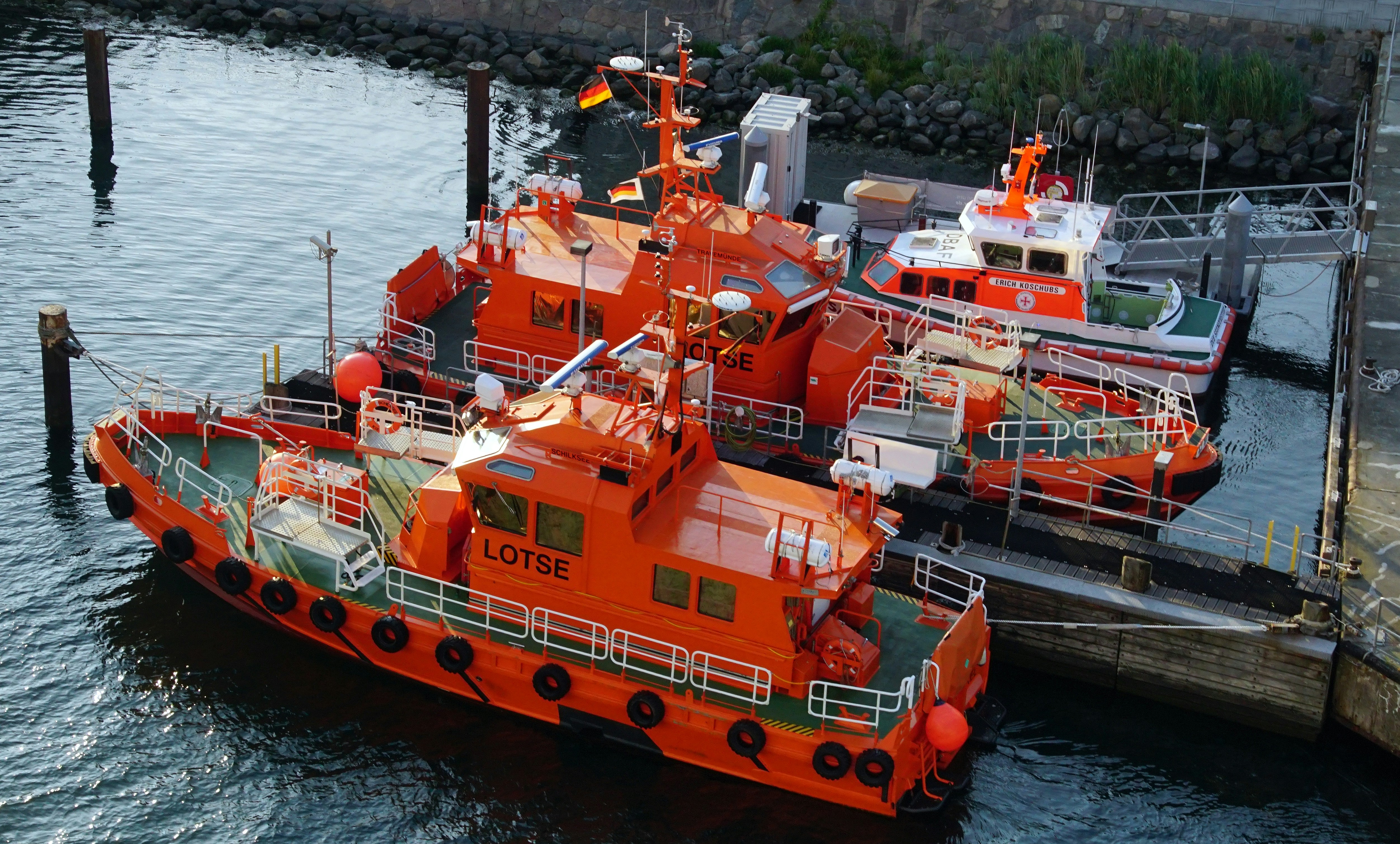
Despite its evolution into a popular resort destination, the maritime industry was never abandoned. The harbor continues to serve as an active port, with ferry connections maintained to Scandinavian destinations. The sight of massive vessels being guided by tugboats through the channel remains a daily occurrence, providing a dramatic spectacle for those gathered along the waterfront.
The Priwall peninsula, accessible by ferry, developed its own shipbuilding tradition. Enormous cranes once dominated the skyline there, and the sound of hammers against hull plating rang out from dawn to dusk. Though the shipyards have since closed, the industrial heritage has been carefully preserved and repurposed. Former workshops now house museums and cultural spaces, their high ceilings and robust construction finding new life.
Maritime Traditions Maintained
Summer brings traditional sailing events that draw wooden vessels from across the Baltic region. The sight of classic schooners and cutters, their canvas catching the wind, creates a living connection to the age of sail. Crews dressed in period clothing demonstrate old navigation techniques, and shanties can be heard drifting across the water as these beautiful craft parade past the lighthouse.
The fishing heritage, though diminished from its historic peak, hasn't vanished entirely. Small boats still head out in the early morning hours, and a modest catch continues to be brought to shore. At the fish market near the harbor, freshly smoked herring and eel can be purchased directly from wooden stalls, prepared using methods passed down through generations.
Natural Beauty Beyond the Beach
While the wide sandy beach remains the main attraction for many visitors, other natural treasures can be found nearby. The Brodtener Ufer, a dramatic coastal cliff stretching several kilometers to the north, offers hiking paths with magnificent views across the water. On clear days, the Danish coast can be seen on the horizon, and in migration season, countless birds rest in the protected areas between cliff and shore.
The Trave estuary itself forms an important ecosystem where numerous species thrive in the brackish waters. Reed beds provide nesting grounds for waterfowl, while the mixing of river and sea creates unique conditions for marine life. Nature reserves have been established to protect these fragile environments, and observation platforms allow visitors to watch wildlife without causing disturbance.
Culinary Traditions of the Coast
The local cuisine reflects centuries of maritime influence. Herring, prepared in countless variations – pickled, smoked, fried, or marinated in cream sauce – appears on nearly every traditional menu. Labskaus, a hearty dish born from the practical needs of long sea voyages, combines corned beef, potatoes, and beetroot into a colorful and filling meal.
Plaice and flounder, caught in nearby waters, can be enjoyed at waterfront restaurants where recipes have remained largely unchanged for decades. The fish gets served simply – pan-fried with bacon and new potatoes – allowing its delicate flavor to shine. For those with a sweet tooth, Rote Grütze, a traditional berry compote served with cream or vanilla sauce, offers a refreshing conclusion to a meal.
Seasonal Rhythms
Each season brings its own character to this Baltic outpost. Summer draws the largest crowds, when the beach fills with families and the promenade buzzes with activity. Street musicians perform near the harbor, outdoor terraces overflow with diners, and the ferry terminal sees constant traffic as day-trippers arrive from across the region.
Autumn brings a different atmosphere – quieter, more contemplative. The amber light of shorter days bathes the historic buildings in warm tones, and walks along the beach take on a meditative quality. Storm watching becomes a popular activity, as powerful winds drive dramatic waves against the shore and hardy souls bundle up to witness nature's raw power.
Winter transforms the scene entirely. When temperatures drop, the beach takes on an almost Arctic quality, and the Baltic occasionally freezes near the shore. The Christmas market, held in the historic quarter, brings welcome warmth with its glühwein and roasted almonds, while lights strung between buildings create a magical atmosphere against the dark winter evenings.
Modern Life on Ancient Ground
Contemporary development has been carefully balanced with heritage preservation. New hotels and apartments have been constructed, but strict regulations ensure they complement rather than compete with historic architecture. The promenade has been renovated with sensitivity to its 19th-century origins, maintaining wide pedestrian spaces while adding modern amenities discreetly.
The local community takes evident pride in maintaining traditions while adapting to changing times. Annual festivals celebrate maritime heritage, local musicians keep folk music alive, and younger generations learn traditional sailing skills on classic vessels. This isn't a place where history has been merely packaged for tourists – it's been woven into the fabric of daily life.
The pull of the Baltic coastline remains as strong today as when the first visitors arrived seeking its restorative powers centuries ago. For those planning to discover more of northern Germany's maritime heritage, the route between here and Hamburg reveals countless harbors and coastal towns, each with their own stories to tell about life beside the ever-changing sea.


 Home
Home Wishlist