
York: Where Ancient Stones Whisper Stories
Walls That Tell Tales
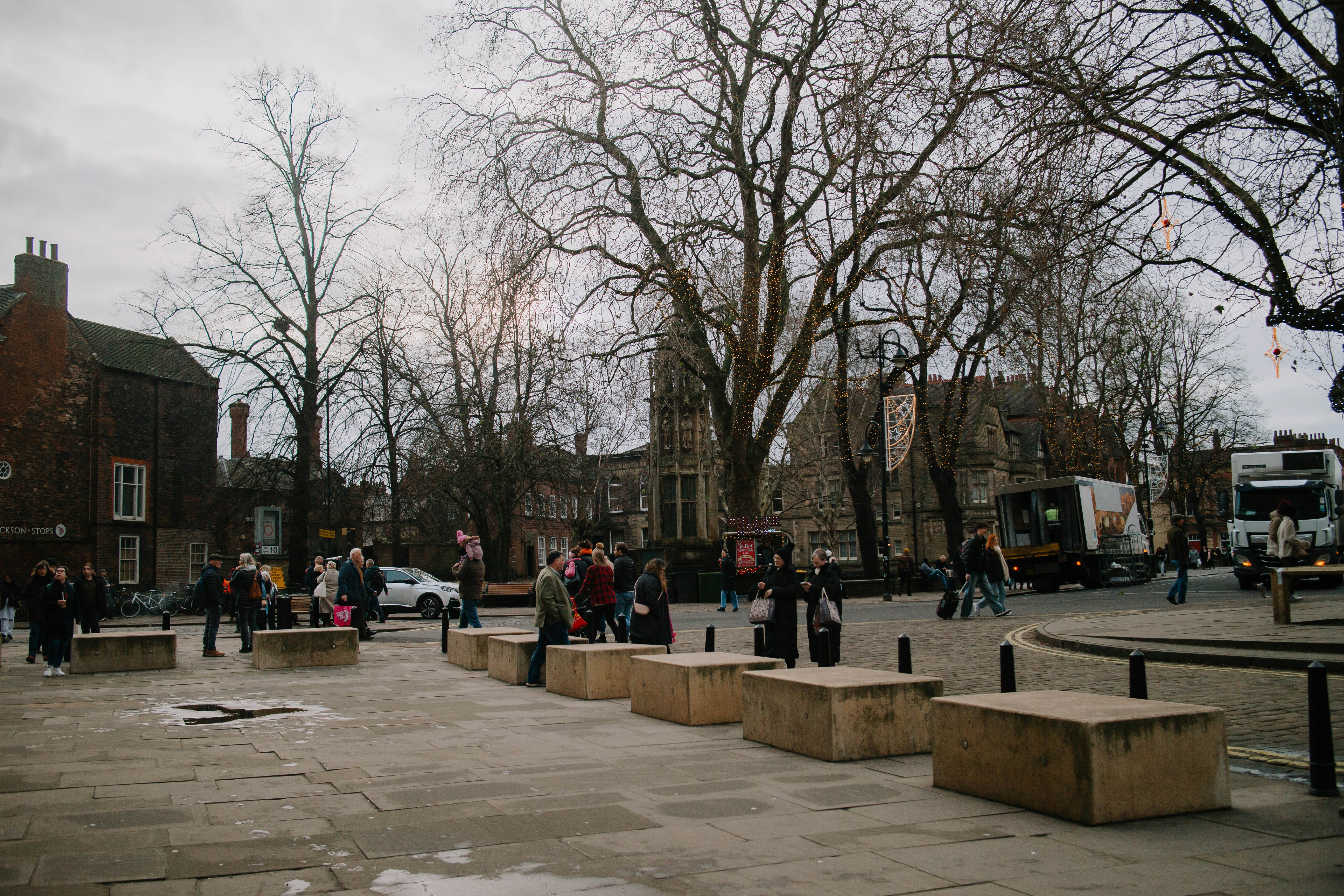
The city's medieval walls can be walked in their entirety, a circuit of nearly three miles that offers perspectives few other English destinations provide. These fortifications were built upon Roman foundations, themselves constructed almost two thousand years ago when this settlement was known as Eboracum. Each stone has been worn smooth by countless footsteps, each gateway has witnessed processions of kings and commoners alike.
From atop these ramparts, the city spreads out below like a living tapestry. Red-tiled roofs cluster around the soaring towers of the Minster, while the River Ouse winds its way through the landscape, reflecting whatever mood the Yorkshire sky chooses to display. The defensive purpose of these walls has long been forgotten, yet they continue to define the character of what lies within them.
Things to do in York
A Cathedral of Light and Stone
The Minster dominates the skyline in a way that can't be overstated. This Gothic masterpiece took more than 250 years to complete, with work beginning in 1220 and continuing through multiple generations of craftsmen and artisans. The Great East Window, completed in 1408, remains the largest expanse of medieval stained glass in Britain. When afternoon light filters through those ancient panes, the entire interior becomes transformed into something otherworldly.
Beneath the current structure, archaeological excavations have revealed layers upon layers of history. The foundations of the Roman headquarters building lie below the medieval floor, while evidence of Saxon churches speaks to the site's continuous religious importance. To stand in the undercroft, surrounded by Roman columns and Saxon carved stones, brings home the depth of human activity concentrated in this single location.
The Shambles and Medieval Commerce
Medieval street patterns have been preserved throughout the historic core, with The Shambles representing perhaps the finest example of its kind. This narrow lane, where timber-framed buildings lean so close their upper stories nearly touch, once housed the city's butchers. The broad windowsills, designed for displaying meat, can still be observed on many structures. Today, these same buildings shelter boutiques, cafes, and specialty shops, but the atmosphere of a medieval marketplace lingers.
Walking these streets at dusk, when shadows lengthen and modern distractions fade, requires little imagination to picture the scene five centuries ago. The same cobblestones were trodden by medieval merchants, the same timber beams supported the weight of daily life. This continuity, this unbroken thread connecting past to present, gives the experience a depth that can't be manufactured.
Viking Blood and Saxon Soil
At the Jorvik Viking Centre, history hasn't been merely displayed but reconstructed. Built on the actual site of a Viking settlement discovered during excavations in the 1970s, this attraction offers something beyond typical museum experiences. The smells of a tenth-century street have been recreated, the sounds of Old Norse conversation drift through the air, and beneath it all lie the authentic remains of Viking-age buildings, preserved exactly where they were found.
The city's Viking heritage runs deeper than any single attraction. When the Great Heathen Army captured the settlement in 866 AD, they renamed it Jorvik and established it as the capital of their kingdom. For nearly a century, this remained one of the most important Viking settlements outside Scandinavia. Archaeological evidence of that period continues to emerge, each discovery adding new chapters to an already rich story.
Railways and Revolution
The National Railway Museum houses the largest collection of railway artifacts in Britain, a testament to the city's crucial role in the development of rail transport. Here, iconic locomotives stand silent but magnificent, from the streamlined Mallard – still holding the world speed record for steam locomotives – to the opulent carriages that once carried royalty. The museum doesn't merely celebrate engineering achievements; it explores how railways transformed British society, economy, and landscape.
This industrial heritage complements rather than contradicts the medieval character. The Victorian era saw significant growth and development, with the railway bringing new prosperity and connecting the city to a wider world. Railway hotels, station architecture, and worker housing from this period have been woven into the urban fabric, creating layers of history that coexist harmoniously.
Chocolate, Commerce, and Quaker Values
Few people realize that this northern city became synonymous with chocolate manufacturing. The Rowntree and Terry families established confectionery businesses that grew into major employers and shaped the city's twentieth-century identity. These Quaker entrepreneurs built model villages for their workers, pioneered welfare benefits, and demonstrated that successful business could be conducted according to ethical principles.
Though large-scale chocolate production has since moved elsewhere, the legacy remains visible. The factory buildings have been repurposed, the worker housing still provides homes, and the social conscience those families championed continues to influence community values. At York's Chocolate Story, visitors can explore this sweet heritage while the aroma of cocoa fills the air.
Rivers, Floods, and Resilience
The River Ouse has given much to the city but has also tested its resilience. Regular flooding has been a fact of life for centuries, with water marks on historic buildings recording the heights reached during particularly severe events. Yet this relationship with the river has been managed rather than feared, with sophisticated flood defenses and early warning systems now protecting the historic core.
Walking along the riverside paths at sunset, as swans glide past and the Minster glows golden in the fading light, the beauty of this waterway becomes apparent. River cruises offer different perspectives on familiar landmarks, while the restored waterfront warehouses now house restaurants and cultural venues. The Ouse remains central to the city's identity, its moods and seasons marking the rhythm of local life.
A Living Community
What prevents this historic city from becoming merely a pretty museum piece has been the presence of a vibrant, diverse community. Two universities bring thousands of students, infusing the ancient streets with youthful energy. Independent shops and cafes thrive alongside heritage attractions, local markets continue traditions stretching back centuries, and residents go about daily business within walls that have sheltered human activity since Roman times.
In the evening, as the last tourists depart and the floodlights illuminate the Minster, the city reveals its true character. Locals gather in traditional pubs, some occupying buildings that have served ale for four hundred years or more. Theatre performances, concerts, and cultural events fill calendars year-round. This remains a place where people don't just visit history but live within it, adding their own chapters to an ongoing story.
Throughout Britain's north, few destinations offer such concentrated historical richness combined with contemporary vitality. From Roman foundations to Viking streets, from medieval splendor to Victorian innovation, each era has left its mark. The city walls still stand, the Minster still dominates the skyline, and the River Ouse still flows through the heart of it all. For those seeking to understand how Britain's past continues to shape its present, this remarkable destination provides insights found nowhere else. Much like the ancient streets of Durham, where cathedral and castle command attention from a dramatic hilltop, the timeless quality of England's historic cities continues to captivate those who take time to explore their layers.


 Home
Home Wishlist