
Adeje: Where Atlantic Waves Meet Volcanic Heights
Volcanic Legacy
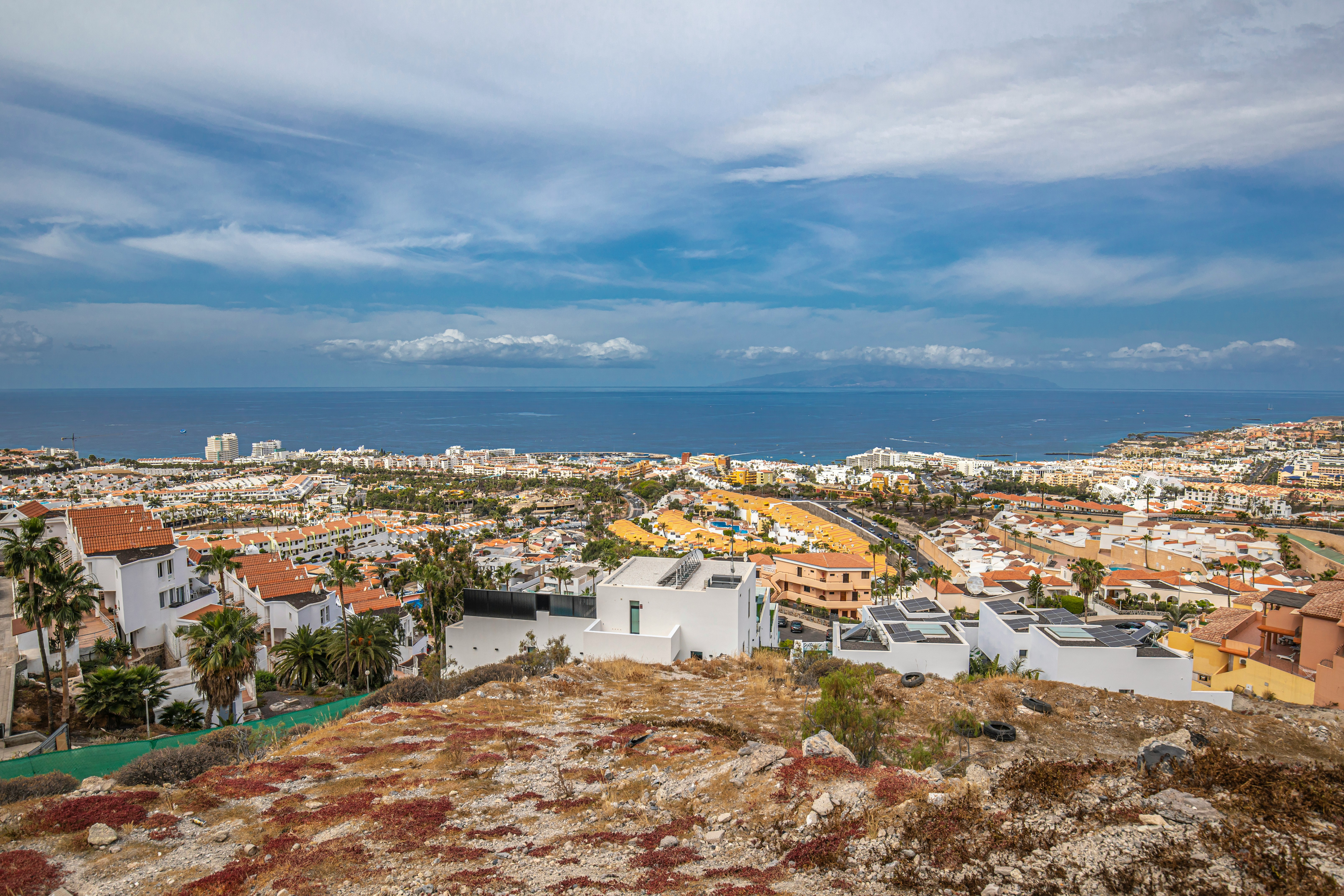
The geological drama that shaped this municipality began millions of years ago, when volcanic eruptions carved out the rugged coastline and mountainous interior that define the region today. Evidence of this fiery past can be found everywhere – in the dark beaches of Playa de la Enramada, in the towering presence of Roque del Conde, and in the mineral-rich soil that supports the area's distinctive vegetation.
Walking trails through the Barranco del Infierno reveal layer upon layer of volcanic history. The gorge itself was formed by successive lava flows and subsequent erosion, creating a natural corridor that leads deep into the island's interior. Native plant species cling to the rocky walls, their roots finding purchase in seemingly impossible crevices. The sound of water trickling through the ravine provides a constant soundtrack, a reminder that life finds ways to flourish even in the harshest environments.
Things to do in Adeje
Between Sea and Summit
The municipality stretches from sea level to heights exceeding 2,000 meters, encompassing an extraordinary range of ecosystems within its boundaries. Along the coast, temperatures remain mild year-round, rarely dropping below 20 degrees Celsius even in winter. But venture inland toward the protected natural spaces of the Corona Forestal, and the climate shifts dramatically. Pine forests give way to alpine vegetation, and on clear days, views extend across the entire southern coast of Tenerife.
This vertical diversity has been exploited by locals for centuries. Traditional agricultural practices took advantage of different altitude zones – bananas and tomatoes thrived near the coast, while potatoes and cereals were cultivated in cooler upland areas. Though modern development has transformed much of the coastal strip, these farming traditions continue in scattered terraced plots throughout the hills.
Old Town Character
Away from the resort developments that line the shore, the historic center preserves the character of a traditional Canarian town. Whitewashed houses with wooden balconies cluster around the Church of Santa Úrsula, their shuttered windows and terracotta roofs unchanged for generations. The plaza serves as a gathering point where residents exchange greetings and news, maintaining social rhythms that predate the tourism boom by centuries.
Market days bring the town to life with particular vibrancy. Stalls overflow with local produce – wrinkled potatoes for papas arrugadas, strings of dried peppers, wheels of queso fresco. Vendors call out prices in melodic Spanish, their voices competing with the chatter of shoppers examining tomatoes and testing avocados for ripeness. The market offers more than commerce; it serves as a weekly affirmation of identity, a space where traditional island life asserts itself against the pull of globalization.
Gardens in the Sky
The subtropical climate and volcanic soil have created ideal conditions for botanical diversity. Throughout the municipality, gardens showcase species from across the world – South African proteas, Australian eucalyptus, Asian bamboo groves. But the native flora proves equally captivating. Dragon trees, with their umbrella-shaped crowns and rust-red resin, stand as living links to the archipelago's ancient past. Canarian palms sway in coastal breezes, their fronds rustling with a sound like distant rain.
Private gardens spill over walls with bougainvillea in shades of magenta and coral. Bird of paradise plants thrust their orange and blue flowers toward the sun. Jasmine vines release their intoxicating perfume at dusk, filling entire streets with fragrance. This abundance of plant life softens the volcanic harshness of the landscape, creating pockets of green refuge throughout the built environment.
Coastal Rhythms
The Atlantic coastline here presents a different face than the Caribbean-style beaches found elsewhere in the Canaries. Dark volcanic sand absorbs the sun's heat, making barefoot walks at midday an exercise in quick stepping. Rocky outcrops interrupt the shoreline, creating natural pools where small fish dart among the stones. When the tide retreats, these pools become temporary aquariums, offering glimpses into the rich marine ecosystem just offshore.
Fishing traditions persist alongside modern marina developments. In the early morning hours, small boats return with the night's catch – sardines, mackerel, and the prized vieja, a parrotfish considered a delicacy in Canarian cuisine. The fish get cleaned on the dock, gulls wheeling overhead in anticipation of scraps. By mid-morning, the catch appears in local restaurants, transformed into simple grilled preparations that let the freshness speak for itself.
Flavors of the Land
Canarian cuisine reflects centuries of geographic isolation tempered by waves of outside influence. Here, African, Spanish, and Latin American traditions have been absorbed and transformed into something distinctly local. Gofio, a roasted grain flour predating Spanish conquest, still appears on tables daily, stirred into soups or mixed with milk as a simple breakfast. Mojo sauces – green cilantro versions and red pepper variations – accompany nearly every meal, their sharp flavors cutting through rich stews and grilled meats.
In family-run restaurants tucked into side streets, recipes passed down through generations receive daily reinterpretation. Papas arrugadas emerge from the kitchen wrinkled and salt-crusted, their small size concentrating flavors that larger potatoes can't match. Conejo en salmorejo – rabbit marinated in a garlicky sauce – arrives at the table fork-tender, the meat falling from the bone. Each bite tells a story of this land, of making do with what the volcanic soil and surrounding sea provide.
Light and Shadow
The quality of light here shifts throughout the day in ways that photographers and painters spend lifetimes trying to capture. Morning sun illuminates the eastern mountains in shades of amber and gold, while the coast remains in relative shadow. By noon, the overhead sun bleaches colors from the landscape, reducing everything to stark contrasts of light and dark. But it's at sunset when the real magic happens – the western sky erupts in layers of orange, pink, and purple, reflected in the darkening Atlantic waters and casting the entire municipality in an otherworldly glow.
This dramatic lighting has attracted artists for decades. Small galleries throughout the area showcase work inspired by the local landscape – abstract interpretations of volcanic forms, realistic seascapes capturing the Atlantic's many moods, stylized representations of traditional architecture. The creative community here remains small but dedicated, drawn by the same light and landscape that captivates visitors.
Trails and Summits
Hiking paths crisscross the municipality, ranging from gentle coastal walks to challenging mountain ascents. The trail to Roque del Conde rewards the steep climb with panoramic views that extend from Mount Teide in the north to the neighboring island of La Gomera to the west. Hardy souls who make the early morning ascent witness sunrise from the summit, watching as light gradually illuminates the sleeping coast below.
Lower elevation trails offer their own rewards. Routes through pine forests fill the air with resin-scent, while paths through agricultural zones provide encounters with working landscapes rarely seen by casual visitors. Stone walls centuries old mark ancient property boundaries. Abandoned terraces speak to changing economic realities, their careful construction slowly succumbing to encroaching vegetation.
Living Traditions
Despite transformation wrought by tourism development, traditional festivals continue to mark the calendar year. Religious processions wind through streets decorated with elaborate carpets made from colored sand and flower petals. Folk music performances feature the timple, a small five-string guitar unique to the Canaries, its bright sound cutting through the night air. Traditional dress makes occasional appearances – women in embroidered blouses and full skirts, men in simple white shirts and dark trousers.
These celebrations serve multiple purposes beyond religious observance or cultural display. They create space for community cohesion, bringing together longtime residents and relative newcomers. They affirm connections to the past while adapting to present realities. They remind everyone that beneath the modern veneer, older rhythms continue to pulse.
The municipality's position within Tenerife's southern coast has shaped its development over centuries, though travelers seeking different European experiences might find themselves drawn to other destinations entirely – the historic charm of Regensburg offers medieval architecture and river culture in a completely different context. Yet here, the meeting of mountain and ocean continues to define daily life, creating a landscape where natural drama remains the most compelling attraction.


 Home
Home Wishlist