
Belfast: Where Phoenix Rises from Maritime Heritage
Echoes of Industry
The Harland & Wolff cranes—Samson and Goliath—tower over the cityscape like sentinels of a bygone era. These yellow giants, visible from nearly every vantage point, have been standing watch since the 1970s, though the shipbuilding legacy they represent stretches back much further. Within these yards, the RMS Titanic was constructed between 1909 and 1912, a monument to human ambition that would become synonymous with both engineering prowess and tragic hubris.
Today, the Titanic Quarter has been transformed into a hub of innovation and remembrance. The angular, aluminum-clad Titanic Museum was opened in 2012, exactly a century after the ship's maiden voyage. Through nine galleries, the story gets told not just of the vessel itself, but of the thousands of workers whose hands shaped every plate and beam. Interactive exhibits bring visitors face-to-face with the scale of this undertaking—the heat of the furnaces, the deafening clang of metal on metal, the pride and peril that came with such monumental work.
Things to do in Belfast
Walls That Speak
No understanding of this place can be gained without confronting the Peace Walls that still divide neighborhoods. These barriers—some reaching thirty feet high—were erected during the Troubles, a period of sectarian conflict that lasted roughly from the late 1960s through 1998. What began as temporary measures became permanent fixtures, concrete testimonies to decades of violence and mistrust.
Yet these walls have also been transformed into canvases. Political murals adorn their surfaces, each telling stories from different perspectives. On the Falls Road, republican murals commemorate hunger strikers and political prisoners. On the Shankill Road, loyalist artwork celebrates Ulster heritage and British identity. These murals have become unlikely tourist attractions—not because they glorify division, but because they refuse to let history be forgotten or sanitized.
Black taxi tours, often led by former combatants from both sides, offer guided journeys through these neighborhoods. The complexity of the conflict gets explained not through textbooks but through lived experience. Gates in the walls remain locked at night in some areas, a sobering reminder that reconciliation remains an ongoing process rather than a completed project.
Victorian Grandeur
Away from the divided areas, architectural splendor from the height of industrial prosperity can be witnessed throughout the city center. The City Hall, completed in 1906, dominates Donegall Square with its green copper dome and Portland stone facade. Inside, marble staircases sweep upward beneath ornate plasterwork and stained glass windows commemorating the city's maritime and linen heritage.
The Grand Opera House, designed by renowned theater architect Frank Matcham, opened its doors in 1895. Its interior dazzles with gilded elephants, ornate boxes, and a painted ceiling that seems to float above the auditorium. Bombed multiple times during the Troubles, the building has been restored to its original glory—a symbol of culture's resilience in the face of destruction.
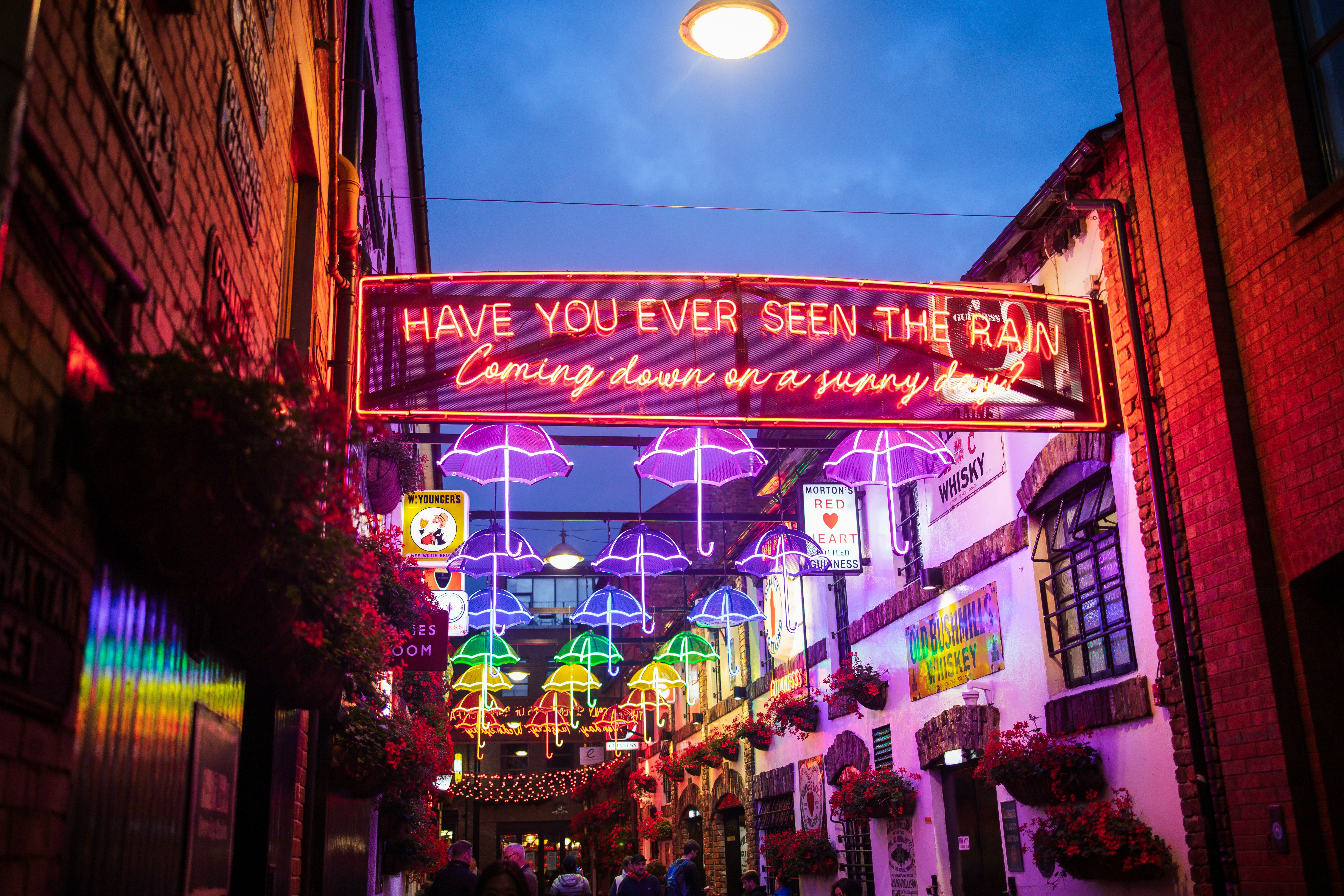
Along Great Victoria Street and through the Cathedral Quarter, Victorian and Edwardian buildings have been repurposed as boutique hotels, gastropubs, and creative spaces. The Crown Liquor Saloon, a National Trust property, preserves its original Victorian gin palace interior complete with gas lighting, decorated tiles, and private snugs where customers once conducted business away from prying eyes.
Literary Legacies
The city's contribution to literature extends well beyond its famous son, C.S. Lewis, though the Chronicles of Narnia author's childhood home has been preserved and can be visited in the eastern suburbs. The Linen Hall Library, founded in 1788, stands as Ireland's oldest library and houses an unparalleled collection documenting the Troubles—over 250,000 items collected without political bias, ensuring all perspectives get preserved for future scholars.
In recent years, a new generation of writers has emerged, crafting works that grapple with post-conflict identity and the complexities of moving forward while honoring the past. Poetry readings and literary festivals draw crowds throughout the year, particularly during the Belfast International Arts Festival each autumn, when theaters, galleries, and unconventional venues across the city become stages for artistic expression.
Culinary Renaissance
The transformation of the food scene over the past two decades has been nothing short of remarkable. Where once traditional Ulster fries and fish-and-chips dominated menus, Michelin-starred establishments now sit alongside innovative cafes and ethnic eateries. St. George's Market, operating since the 1890s, continues to buzz with activity every weekend, its Victorian ironwork sheltering vendors selling everything from locally caught fish to artisan breads and international street food.
Traditional dishes haven't been abandoned—they've been elevated. The Ulster fry, with its potato bread and soda farls, gets served in gastropubs alongside craft beers from local breweries. Champ and colcannon, simple potato dishes that sustained generations of working families, appear on fine dining menus prepared with heritage potatoes and grass-fed butter. The city's proximity to both farmland and sea ensures that ingredients of exceptional quality can be sourced within miles.
Natural Escapes
Beyond the urban core, natural beauty provides counterpoint to industrial heritage. Cave Hill, rising to the northwest, offers hiking trails that reward climbers with panoramic views across the lough to the Scottish coast. Napoleon's Nose, a rocky outcropping near the summit, supposedly inspired Jonathan Swift's description of Lilliput in Gulliver's Travels.
The Botanic Gardens, established in 1828, provide a gentler communion with nature. The Palm House, a masterpiece of curvilinear Victorian glasshouse design, shelters tropical plants within its elegant iron framework. Nearby, Queen's University's Tudor Revival buildings add scholarly gravitas to the surroundings, creating a pocket of tranquility just south of the city center.
A short drive north leads to the Antrim Coast, where dramatic cliffs, sandy beaches, and the otherworldly basalt columns of the Giant's Causeway can be explored. These geological wonders, formed by volcanic activity sixty million years ago, have been designated a UNESCO World Heritage Site and continue to captivate visitors with their mathematical precision and mythological associations.
Music and Movement
From traditional Irish sessions in cozy pubs to cutting-edge electronic music venues, the sonic landscape reflects the city's diversity. The Ulster Hall, which has hosted everyone from Charles Dickens to Led Zeppelin, continues to serve as a premier concert venue. In smaller venues throughout the Cathedral Quarter, emerging artists test new material before enthusiastic crowds.
The punk and alternative rock scene that flourished during the Troubles—bands channeling frustration and hope through raw, energetic performances—has evolved into a thriving independent music community. Record shops, rehearsal spaces, and intimate venues support musicians exploring everything from traditional folk to experimental electronica.
Looking Forward
Investment in infrastructure and culture has accelerated in recent years. The Metropolitan Arts Centre, opened in 2012, provides state-of-the-art theater and gallery spaces. The redevelopment of former industrial sites continues, with old warehouses and factories being converted into apartments, offices, and creative studios.
Yet challenges remain. Economic disparities between different areas, the legacy of sectarian division, and questions about identity in a post-Brexit landscape all require ongoing attention. The delicate peace achieved through the Good Friday Agreement needs constant nurturing, and younger generations bear the responsibility of deciding which traditions deserve preservation and which must be reimagined.
What becomes clear after time spent here: this city refuses simple narratives. It can't be reduced to stereotypes or slogans. Instead, complexity defines every aspect—from politics to culture, from cuisine to architecture. The past gets neither erased nor romanticized, but rather integrated into an understanding that authentic identity emerges from acknowledging uncomfortable truths alongside proud achievements. Much like travelers who venture to Liverpool discover a maritime heritage similarly shaped by industry and reinvention, those who take time to understand this corner of Northern Ireland find a place where resilience has been forged through fire, and where hope persists despite everything.


 Home
Home Wishlist