
Barcelona: Where Mediterranean Spirit Meets Artistic Vision
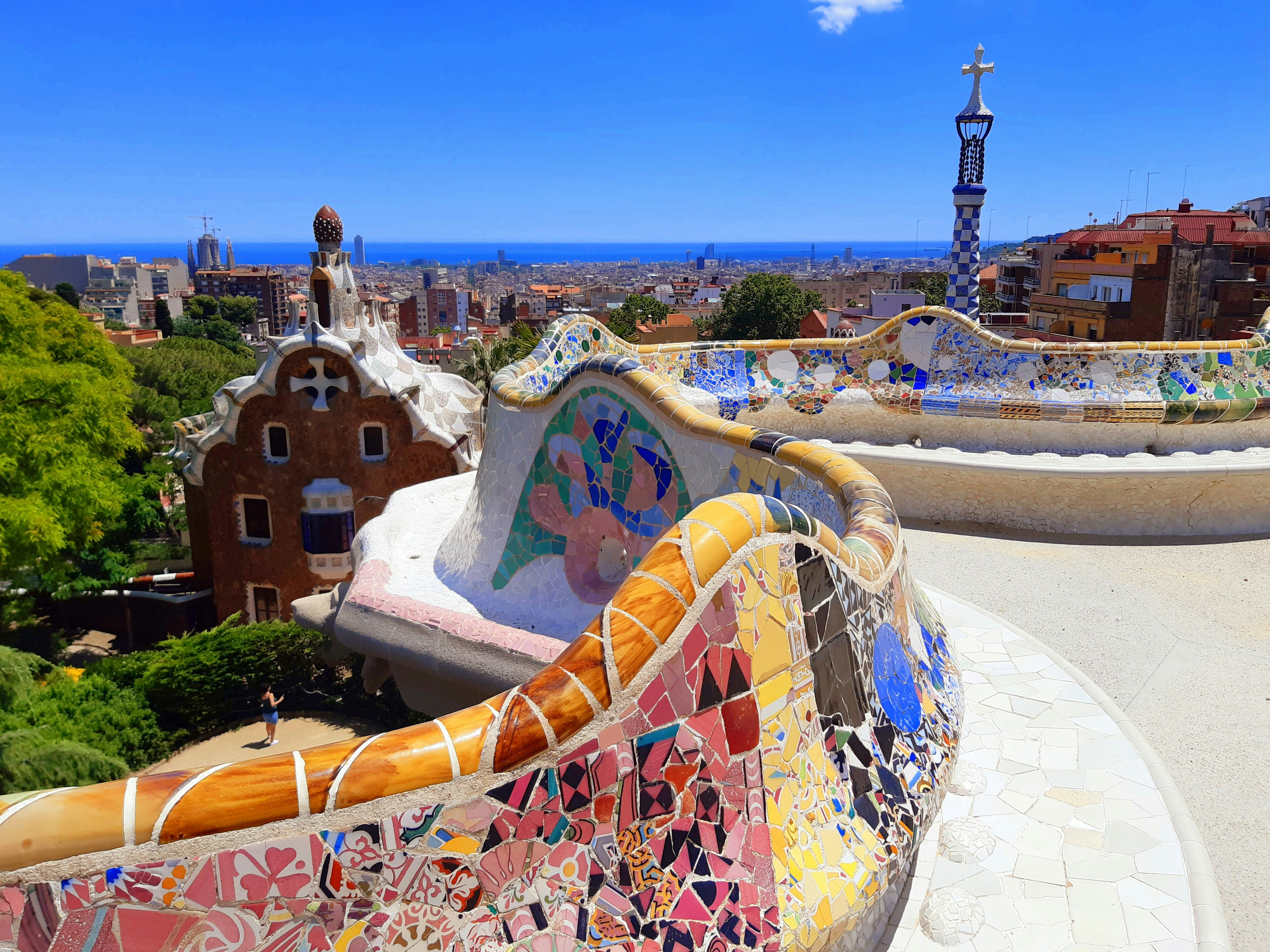
Gaudí's Living Legacy
The architectural landscape of this Mediterranean metropolis has been shaped profoundly by one man's extraordinary vision. Antoni Gaudí's influence can be felt throughout the city, his works standing as monuments to organic modernism and spiritual devotion. The Sagrada Família, still under construction after more than a century, dominates the skyline with its forest-like columns and intricate facades. This basilica was conceived not merely as a building but as a prayer in stone, each element rich with symbolic meaning.
In the graceful curves of Casa Batlló and Casa Milà, Gaudí's rejection of straight lines becomes apparent. These residential buildings were transformed into undulating fantasies, their facades resembling everything from dragon scales to wave-swept cliffs. The architect's commitment to natural forms extended even to the smallest details – doorknobs, windows, and railings were all crafted to echo shapes found in nature.
Park Güell offers perhaps the most joyful expression of Gaudí's genius. Originally conceived as a residential development, the park was transformed into a public space where colorful mosaics, serpentine benches, and whimsical structures create an atmosphere of childlike wonder. From its elevated terraces, panoramic views of the city and sea beyond can be enjoyed, reminding visitors of the natural beauty that inspired so much of Gaudí's work.
Things to do in Barcelona
The Gothic Heart
Long before Gaudí's modernist revolution, a medieval city had been established here, its narrow streets and Gothic buildings still preserved in the Barri Gòtic. The old quarter's labyrinthine alleys seem to resist any logical mapping, revealing hidden plazas, ancient Roman walls, and centuries-old churches at unexpected turns.
The Cathedral of the Holy Cross and Saint Eulalia presides over this historic district, its Gothic spires and cloistered courtyard serving as reminders of the city's religious heritage. Within the cathedral's shaded cloister, thirteen geese have been kept for centuries, one for each year of Saint Eulalia's life. This quirky tradition speaks to the way history remains alive in daily life here, not merely preserved but actively practiced.
Throughout the Gothic Quarter, traces of the city's Roman past can still be discovered. Fragments of the ancient wall, built in the first century BC, have been incorporated into later buildings. The Temple of Augustus, hidden within a medieval courtyard, stands as a reminder that this location has been considered prime real estate for over two millennia.
La Rambla and Market Life
The famous boulevard known as La Rambla cuts through the heart of the old city like a river of humanity. This tree-lined pedestrian thoroughfare has been described as the city's stage, where locals and visitors alike become both performers and audience. Street artists transform themselves into living statues, flower sellers arrange their vibrant displays, and the energy of urban life flows continuously from Plaça de Catalunya down to the waterfront.
Just off La Rambla, the Mercat de la Boqueria offers an intoxicating immersion into Catalan culinary culture. This covered market, with its modernist iron structure and Art Nouveau entrance, has been operating since the thirteenth century. Stalls overflow with jewel-toned fruits, gleaming seafood, hanging jamón, and every imaginable ingredient. The market functions not just as a place of commerce but as a social hub where relationships between vendors and regular customers have been maintained across generations.
Mediterranean Flavors
Catalan cuisine has been shaped by the region's position between sea and mountains, its proximity to France, and centuries of maritime trade. Traditional dishes reflect this geographic fortune – mar i muntanya (sea and mountain) combinations pair seafood with meat in unexpected but harmonious ways.
In the city's countless tapas bars, small plates transform dining into a social ritual. Pan con tomate, the simplest preparation of bread rubbed with tomato and drizzled with olive oil, becomes sublime when made with proper ingredients. Patatas bravas, gambas al ajillo, and pimientos de Padrón get shared among friends, each dish accompanied by animated conversation and perhaps a glass of cava or vermouth.
The city's restaurant scene has evolved dramatically in recent decades. Ferran Adrià's revolutionary approach to cooking, developed at the now-closed El Bulli up the coast, influenced a generation of chefs who continue pushing culinary boundaries. Yet despite this innovation, traditional establishments remain cherished. Family-run restaurants still serve time-honored recipes, their dining rooms filled with locals who have been coming for decades.
The Waterfront Transformation
The relationship between the city and its Mediterranean coastline was fundamentally transformed by the 1992 Olympics. Previously, industrial facilities and railway lines had separated the urban center from the sea. The Olympic preparations provided an opportunity for radical reimagining – the waterfront was reclaimed, beaches were created, and a new neighborhood was born.
The Port Olímpic, built to house athletes and sailing events, became a thriving residential and leisure district. Along the beaches, locals and visitors alike can be found enjoying the sun, swimming in the Mediterranean, or playing volleyball on the sand. The seafront promenade stretches for miles, offering space for walking, cycling, and rollerblading while enjoying sea breezes and coastal views.
Frank Gehry's shimmering Fish sculpture, a massive golden structure near the shore, symbolizes this renewed connection to the sea. The contemporary art and architecture found along the waterfront complement rather than compete with the historic city center, showing how thoughtful urban planning can honor the past while embracing the future.
Modernist Treasures Beyond Gaudí
While Gaudí commands the most attention, the Catalan modernist movement included many talented architects whose works deserve recognition. The Eixample district, with its distinctive grid layout and chamfered corners, functions as an open-air museum of modernist architecture.
Lluís Domènech i Montaner's Palau de la Música Catalana demonstrates how architecture can achieve pure joy. This concert hall, with its stained glass skylight, elaborate mosaics, and sculptural details, transforms attending a performance into a multisensory experience. The building seems to celebrate music even when silent, its decorative elements suggesting melody and movement.
The Hospital de Sant Pau, also designed by Domènech i Montaner, reimagined what a medical facility could be. Rather than one imposing building, the hospital campus comprised multiple pavilions connected by underground tunnels, each structure elaborately decorated with the belief that beautiful surroundings aided healing. Today, the complex has been transformed into a museum and cultural center, its architecture finally receiving the appreciation it deserves.
The Rhythm of Daily Life
The city's daily rhythm follows patterns distinctly Mediterranean. Mornings begin leisurely, with coffee and perhaps a croissant enjoyed while reading the newspaper. Lunch, traditionally the main meal, gets taken seriously – many businesses still close for several hours in the afternoon. Evenings come alive late, with dinner rarely starting before nine or ten o'clock.
This schedule reflects a philosophy that prioritizes human connection and quality of life over pure efficiency. Time gets made for long meals with friends, for afternoon breaks, for evening paseos along the boulevards. The concept of "seny i rauxa" – a balance between common sense and passion – seems embedded in the culture here, allowing for both productivity and pleasure.
Neighborhood life remains strong despite the city's size. Each district maintains its own character and sense of community. Local festivals, some centuries old, continue to be celebrated with processions, traditional dances, and castellets – human towers that require cooperation, courage, and trust. These traditions connect present-day residents to generations past, maintaining cultural continuity amid constant change.
Creative Energy
The creative spirit that inspired Gaudí, Picasso (who spent formative years here), and Miró continues to thrive. Contemporary art galleries dot the city, while museums like the MACBA and the Fundació Joan Miró showcase both historical and cutting-edge works. Street art transforms neighborhoods like El Raval and Poblenou into open-air galleries where new murals regularly appear.
The city's music scene encompasses everything from opera at the Liceu to experimental electronic music in former industrial spaces. Jazz clubs, flamenco venues, and concert halls offer nightly performances, while summer brings free outdoor concerts to parks and plazas throughout the city.
Design, always important here, has become a defining industry. The city hosts numerous design festivals, and local studios have gained international recognition for their work in graphics, fashion, and product design. This emphasis on aesthetics extends to everyday life – even mundane objects like metro stations, street lamps, and sidewalk tiles receive thoughtful design attention.
The city's ability to reinvent itself while maintaining strong connections to tradition and identity makes it endlessly fascinating. Each visit reveals new layers – a previously undiscovered Gaudí detail, a family-run restaurant serving recipes passed down through generations, a contemporary art installation in a medieval courtyard. The dialogue between past and present, between tradition and innovation, creates an urban experience unlike any other along the Mediterranean coast. Those seeking a different German perspective might also find inspiration in exploring Munich, where historic traditions meet modern innovation in equally compelling ways.


 Home
Home Wishlist