
Benidorm: A Mediterranean Marvel of Contrasts
The Architecture of Ambition
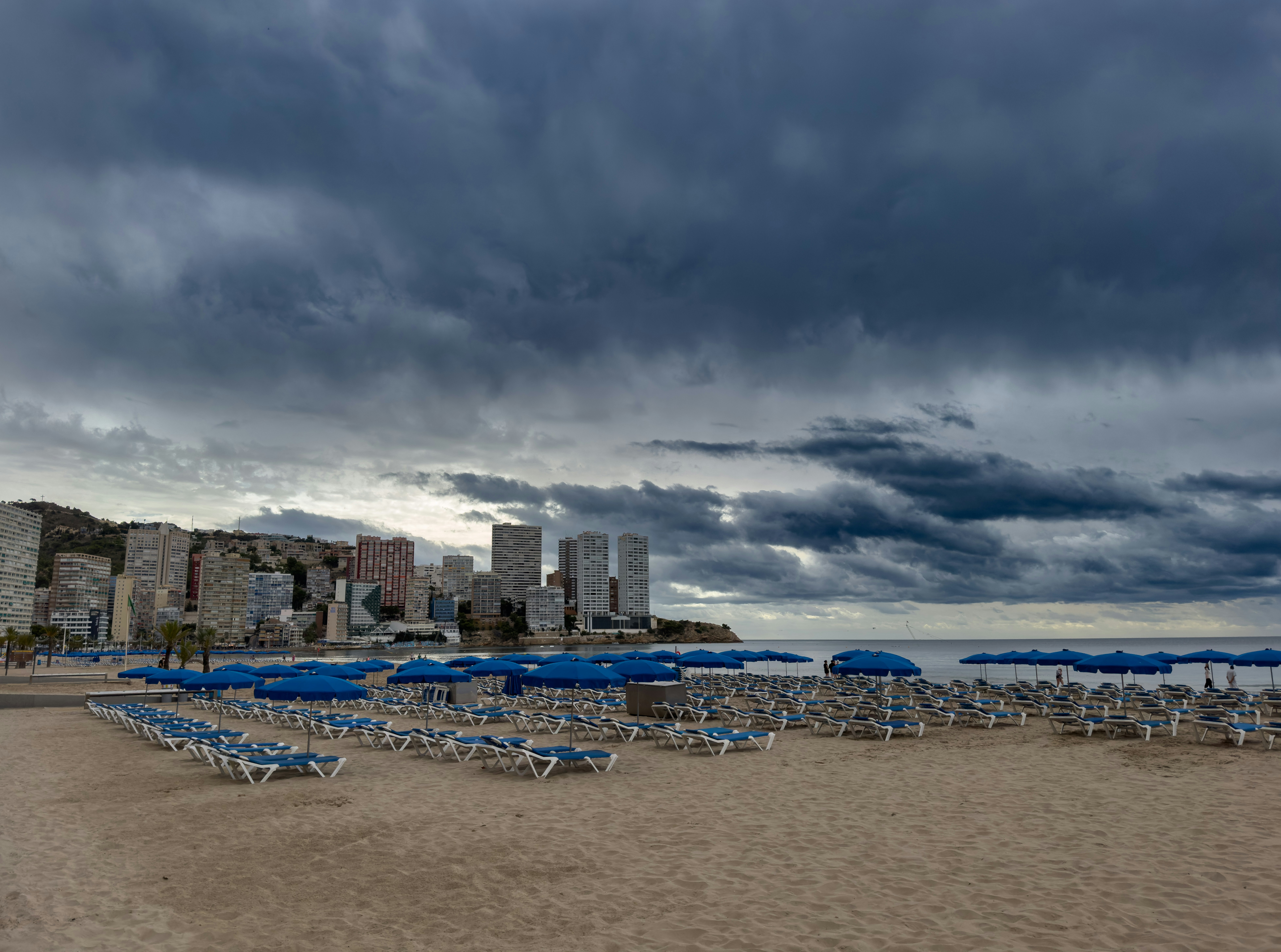
The silhouette that greets visitors approaching from the highway defies expectations. Where most Spanish coastal towns retain their low-rise, whitewashed character, a forest of skyscrapers can be seen rising from the shoreline. These vertical neighborhoods were constructed throughout the 1960s and 70s, part of an ambitious vision to create a year-round tourism powerhouse. The decision to build upward rather than outward was made deliberately, preserving surrounding natural areas while accommodating millions of annual visitors.
Walking through the Levante and Poniente neighborhoods, the scale becomes even more apparent. Residential towers reach heights that would be noteworthy in major European capitals, yet here they house holiday apartments and hotels overlooking two magnificent beaches. This verticality gives the resort a unique urban character – something rarely found in Mediterranean beach destinations. The architectural approach, controversial when first proposed, ultimately allowed the preservation of significant green spaces and protected the surrounding mountain landscapes from sprawling development.
Things to do in Benidorm
Beaches Built for Everyone
The two main beaches represent the heart of the destination's appeal. Levante Beach, with its golden crescent of sand stretching over two kilometers, buzzes with activity from sunrise to well past sunset. Water sports equipment dots the shoreline, volleyball nets stand ready for impromptu games, and the promenade behind hums with foot traffic at all hours. Poniente Beach, on the western side, offers a slightly more relaxed atmosphere while maintaining the same impeccable standards of cleanliness and services.
Both beaches have been awarded Blue Flag status repeatedly, a recognition of water quality and environmental management that matters deeply to the millions who visit each year. The seafront promenades were designed with accessibility in mind – smooth, wide pathways allow people of all mobility levels to enjoy the coastal experience. This inclusive approach extends to beach access points, adapted facilities, and even amphibious chairs available for those who need assistance entering the water.
A Culinary Crossroads
The dining scene reflects the international character of the visitor population while maintaining connections to Valencian culinary traditions. Traditional restaurants serving authentic paella can be found alongside British pubs, German beer gardens, and increasingly, contemporary fusion establishments that blend multiple influences. This diversity initially drew criticism from culinary purists, but over time, a more nuanced appreciation has emerged for what this variety represents – a genuinely cosmopolitan environment where different food cultures coexist and influence one another.
In the old town, away from the beach front, family-run establishments continue preparing dishes that predate the tourism boom. Fresh fish, rice dishes flavored with local saffron, and vegetables from nearby market gardens feature on menus that have changed little over decades. These restaurants serve as living links to the fishing village past, their kitchens preserving techniques and recipes that might otherwise have been lost in the rush toward modernization.
Entertainment Without Pause
The entertainment infrastructure rivals that of cities many times larger. Theaters hosting professional productions, tribute shows, and musical performances operate nightly, catering to audiences seeking evening activities beyond bars and clubs. These venues, purpose-built for tourism, employ hundreds of performers, technicians, and support staff, creating an entertainment ecosystem that functions year-round rather than seasonally.
Theme parks in the surrounding area add another dimension to the recreational offerings. Aqualandia, Terra Mítica, and Mundomar draw families seeking activities beyond beach lounging. These attractions, while clearly tourism-oriented, have been developed with attention to theming and quality that sets them apart from typical resort amusements. The investment in permanent entertainment infrastructure reflects confidence in sustained visitor numbers – a confidence that has been repeatedly justified.
The Cultural Undercurrent
Beneath the resort veneer, cultural traditions persist with surprising vitality. The annual fiestas honoring patron saints bring out elaborate costumes, traditional music, and processions that temporarily transform the main boulevards. These celebrations, dating back centuries, continue to be organized primarily by and for local residents, though visitors are welcomed to observe and participate.
The old town, perched on a rocky promontory between the two beaches, serves as the historical anchor. Here, the 18th-century church of San Jaime overlooks the Mediterranean from its elevated position, much as it has done for generations. The narrow streets surrounding the church retain their original character – small-scale, pedestrian-friendly, and largely residential. This district provides a counterpoint to the high-rise development, a reminder of earlier times when the sea meant livelihood rather than leisure.
Natural Surroundings
Beyond the built environment, the natural context deserves attention. The Sierra Helada Natural Park, immediately adjacent to the urban area, protects coastal cliffs, native vegetation, and important bird habitats. Hiking trails through this protected zone offer perspectives impossible to gain from the beach – views across the entire bay, opportunities to observe Mediterranean plant species, and a sense of the dramatic topography that shapes this stretch of coast.
The microclimate, influenced by surrounding mountains and sea breezes, creates unusually stable weather patterns. Over 300 days of sunshine annually were recorded in recent decades, a consistency that allowed the development of year-round tourism when most Mediterranean destinations remained seasonal. This climatic advantage, combined with winter temperatures that rarely require more than a light jacket, attracted northern European visitors seeking escape from harsh winters long before budget airlines made such travel routine.
The Economics of Pleasure
The economic model sustaining this destination relies on volume and efficiency. Hotels, restaurants, and entertainment venues operate with economies of scale that allow competitive pricing while maintaining standards. This accessibility has democratized Mediterranean holidays, making beach vacations available to income brackets that might otherwise be priced out of coastal tourism. The social significance of this accessibility often gets overlooked in discussions about mass tourism, yet it represents a genuine achievement – the extension of leisure opportunities previously reserved for the wealthy to a much broader population.
Employment patterns reflect the tourism dominance – hospitality, retail, and service industries absorb most of the working population. Seasonal fluctuations, while less pronounced than in other resorts, still influence hiring patterns and business hours. During peak summer months and winter holiday periods, the population swells dramatically, placing intense demands on infrastructure and services that operate smoothly during quieter periods.
Evolving Perspectives
Recent years have seen a reconsideration of tourism models across Spain, and this destination hasn't been exempt from that discussion. Questions about sustainability, environmental impact, and the social effects of tourism monoculture have prompted reflection and, gradually, action. Investments in public transportation, waste management, and water conservation signal awareness that the current model requires adaptation to remain viable long-term.
The pedestrianization of additional streets, creation of cycling infrastructure, and enhancement of green spaces demonstrate commitment to improving livability for residents and visitors alike. These modifications, while modest compared to the overall scale of development, indicate recognition that quality matters as much as quantity in ensuring the destination's future relevance.
As evening descends and lights begin twinkling along the seafront, the energy that defines this place becomes palpable. Families gather for dinner, groups of friends plan their evening activities, and the promenades fill with people from dozens of countries, each seeking their own version of a Mediterranean holiday. The scene has played out countless times, yet never loses its particular character – a blend of relaxation and excitement, tradition and innovation, that has been refined over decades. For travelers seeking different coastal experiences, other destinations like Hamburg offer their own unique maritime character, though in an entirely different context far to the north.


 Home
Home Wishlist