
Bilbao: Where Steel Met Stardust
The Weight of Iron
For over a century, the sound of hammers on steel defined the rhythm of daily life here. Shipyards stretched along the riverbanks, their cranes silhouetted against the sky like mechanical sentinels. Foundries glowed day and night, their furnaces feeding Spain's industrial appetite. Wealth was built on iron ore extracted from surrounding mountains, transformed in local factories, and shipped worldwide from busy docks.
By the 1980s, however, the music had stopped. Economic crisis struck hard at traditional industries. Factories shuttered their doors. Unemployment climbed to devastating levels. The river, choked with decades of industrial waste, had become a symbol of decline rather than prosperity. A decision had to be made – either fade into irrelevance or reimagine everything.
Things to do in Bilbao
A Building That Changed Everything
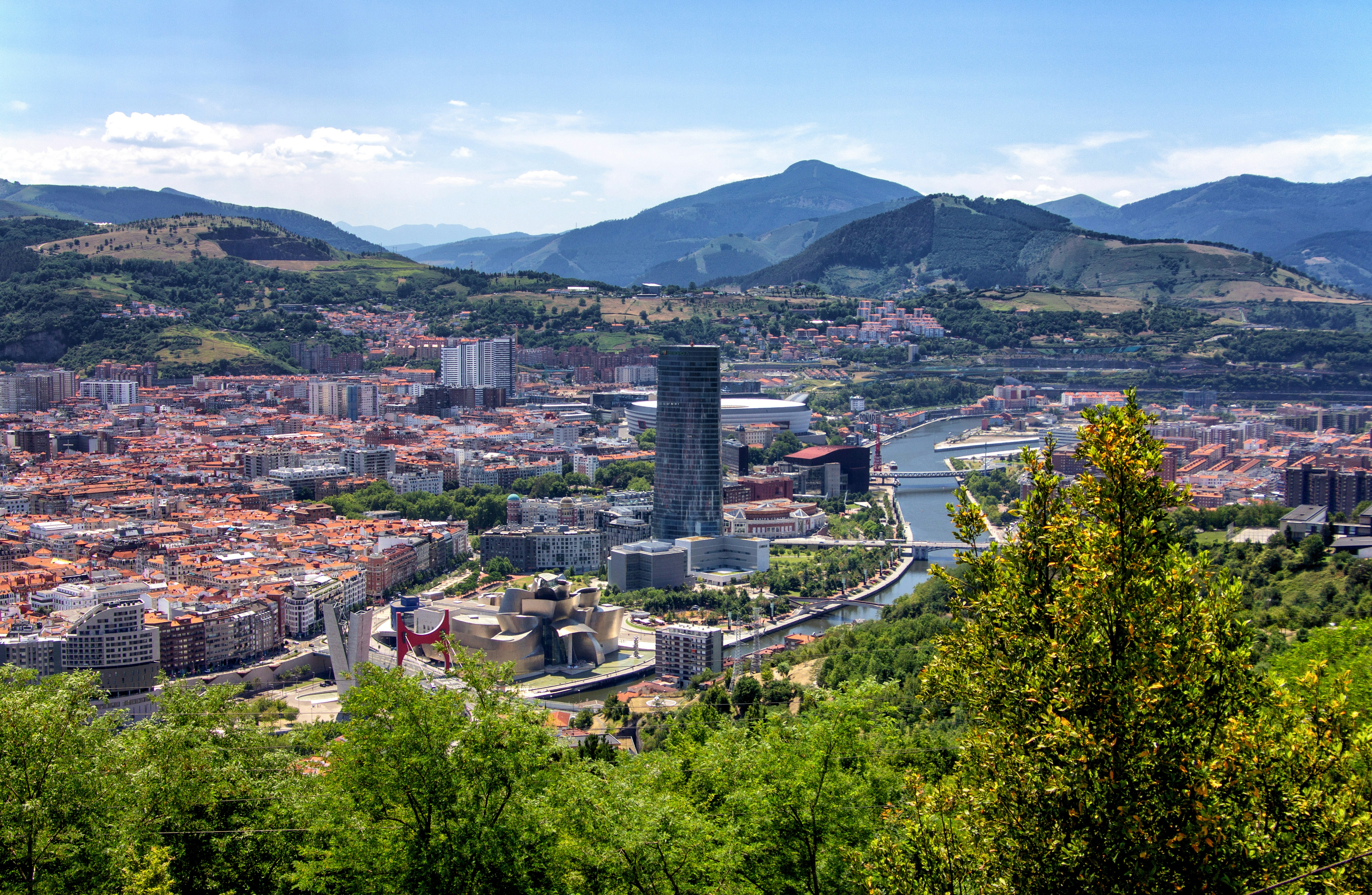
When Frank Gehry's titanium-clad masterpiece opened its doors in 1997, skeptics were quickly silenced. The Guggenheim Museum, with its impossible curves and shimmering skin, became more than just a repository for contemporary art. An entirely new way of thinking about what a post-industrial city could become was embodied in its radical design.
The impact was immediate and profound. Visitors flooded in from across the globe, drawn by the building itself as much as the art within. A term was coined – "the Guggenheim effect" – to describe how a single piece of bold architecture could catalyze urban transformation. Over two decades later, the museum continues to draw over a million visitors annually, its reflection rippling in the cleaned waters of the Nervión.
Beyond the Icon
While the Guggenheim captured headlines, deeper changes were being woven into the urban fabric. The riverfront, once dominated by decaying industrial infrastructure, was reclaimed and reimagined. The Zubizuri footbridge, another Calatrava creation with its curved white spine, now connects neighborhoods previously divided by commerce and industry.
Underground, a modern metro system was carved through rock, its stations designed by Norman Foster with their distinctive glass entrances dubbed "fosteritos" by locals. Green spaces were created where warehouses once stood. The Abandoibarra district, formerly a wasteland of rusting equipment and contaminated soil, was transformed into a showcase of contemporary urban planning.
Flavors of Tradition
Yet amid all this modernization, something essential was never lost. In the narrow streets of the Casco Viejo – the old quarter – tradition continues to be honored in the most delicious way possible. Pintxos bars line every corner, their counters laden with miniature culinary masterpieces balanced on slices of bread.
The ritual remains unchanged: a small plate, some toothpicks, and an evening spent hopping from bar to bar, sampling each establishment's specialties. At one stop, bacalao pil-pil might be savored – salt cod in an emulsion so silky it defies logic. At another, txangurro – spider crab prepared in its own shell – demands attention. A glass of txakoli, the local slightly sparkling white wine, washes everything down perfectly.
The Market's Heartbeat
Sunday mornings draw crowds to the Mercado de la Ribera, a Art Deco structure that holds the title of Europe's largest covered market. Inside, the bounty of both land and sea was spread across hundreds of stalls. Fishmongers display the morning's catch from the Bay of Biscay. Farmers offer vegetables from nearby valleys. The chatter of vendors mixing Basque and Spanish creates a linguistic symphony.
This wasn't created for tourists, though plenty wander through with cameras. Local families have been shopping here for generations, their weekly routines unchanged despite everything that has shifted around them. The market stands as a reminder that successful urban transformation doesn't erase the past – it builds upon it.
Green Mountains, Urban Soul
Geography has been generous here. The city sits in a valley surrounded by mountains that can be reached within minutes by funicular. Mount Artxanda offers panoramic views of the entire metropolitan area – the gleaming museum, the restored historic quarter, the green hillsides dotted with traditional Basque farmhouses called caseríos.
On clear days, hikes through forests just beyond the city limits can be undertaken before returning for evening pintxos. This proximity to nature, combined with an increasingly sophisticated urban environment, creates a quality of life that has attracted young professionals and families seeking alternatives to larger Spanish cities.
Where Language Lives
Street signs here appear in two languages, and in many neighborhoods, Euskera – the ancient Basque tongue unrelated to any other known language – can be heard more often than Spanish. The cultural identity that was suppressed during the Franco years has been reclaimed with pride.
Basque cultural centers, or euskal etxeak, host traditional music and dance performances. The Athletic Club, the beloved football team that famously maintains a policy of only signing Basque players, commands fierce loyalty. Regional holidays and festivals are celebrated with enthusiasm, their rituals connecting present generations to centuries of tradition.
The Evening Promenade
As dusk settles over the city, a daily ritual unfolds along Gran Vía de Don Diego López de Haro, the main boulevard. Families, couples, and friends participate in the paseo – that uniquely Spanish evening stroll that serves no purpose other than to see and be seen, to chat, to simply enjoy being alive and outdoors.
Elegant 19th-century buildings line the avenue, their facades illuminated by streetlights. Shops close for the evening as restaurants begin filling. The pace of life, hurried during business hours, shifts into something more leisurely, more human. This rhythm, unchanged for generations, provides continuity amid all the contemporary transformations.
A Model for Others
Urban planners and city officials now make pilgrimages here to study what was accomplished. The transformation has been so successful that it's become a case study taught in universities worldwide. Yet the magic can't simply be replicated by building a flashy museum and hoping for the best.
What worked here was a comprehensive vision – cleaning the river, investing in infrastructure, preserving historical character while embracing bold contemporary design. Most importantly, cultural identity was never sacrificed on the altar of progress. The result feels authentic rather than manufactured, lived-in rather than staged.
From the Arriaga Theatre, where opera still fills ornate halls, to the sleek tram gliding through modern districts, contrasts define the experience at every turn. Industrial cranes have been preserved as public art. Warehouses have been converted to cultural spaces. The past hasn't been erased but rather repurposed, creating layers of meaning that reward exploration.
For travelers seeking inspiration beyond the typical Spanish destinations, this corner of Basque Country offers something different – a city that faced obsolescence and chose reinvention. The lessons learned here extend beyond architecture and urban planning. They speak to resilience, to the courage required to imagine a different future, and to the rewards that come from honoring tradition while embracing change. Those who appreciate similar urban transformations might also find inspiration in Stuttgart, another city that successfully balanced industrial heritage with contemporary innovation.


 Home
Home Wishlist