
Blackpool: Where Seaside Dreams Meet Northern Charm
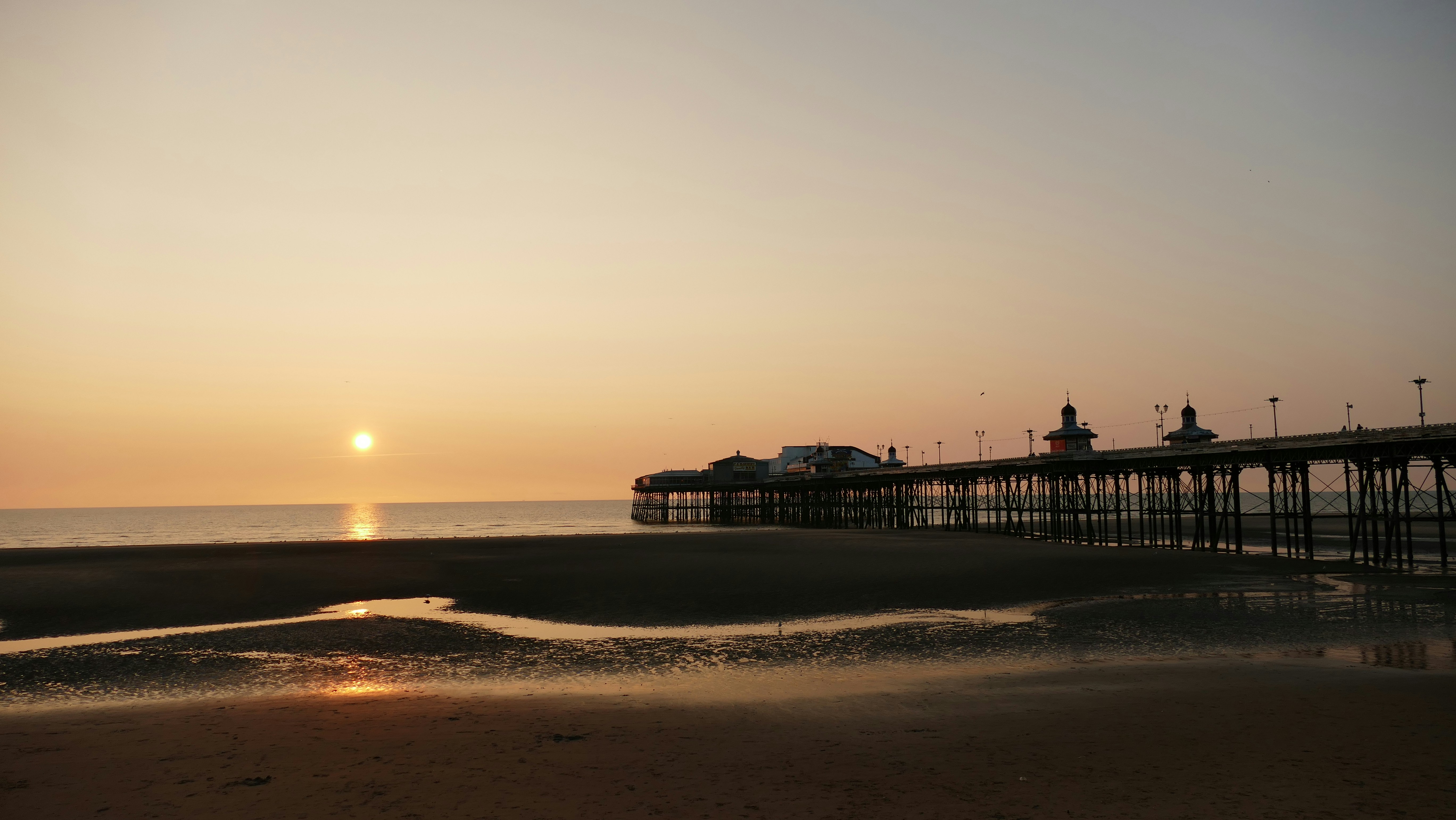
A Victorian Vision
The transformation from a quiet fishing village into England's premier seaside resort was triggered by the arrival of the railway in 1846. What had once been a remote coastal settlement became accessible to the working classes of Lancashire's industrial towns, who descended upon the sandy beaches in their thousands. The fresh sea air was considered therapeutic, a welcome respite from the smoke-filled factory towns that defined the region's economy.
By the late 19th century, ambition ran high among the town's developers. Inspiration was drawn from the Eiffel Tower, and in 1894, a structure was unveiled that would become synonymous with the town itself. Standing at 518 feet, the tower was designed not merely as an observation point but as an entertainment complex, complete with a circus, ballroom, and aquarium. It remains the most recognizable landmark along England's northwest coast, visible for miles across the flat Lancashire plain.
Things to do in Blackpool
The Golden Mile
Along the promenade, a stretch of seafront known affectionately as the Golden Mile has been developed into an assault on the senses. Neon lights flash from amusement arcades, the smell of fish and chips wafts from countless takeaways, and the shouts of stallholders hawk everything from rock candy to inflatable hammers. This gloriously chaotic strip embodies the democratic spirit of British seaside holidays—unrefined, unpretentious, and unapologetically fun.
Three piers extend into the Irish Sea like fingers reaching toward the horizon. The North Pier, the oldest and most elegant, was opened in 1863 and retains much of its Victorian character. The Central Pier throbs with modern rides and attractions, while the South Pier caters to thrill-seekers with its adrenaline-pumping roller coasters. Each has weathered storms both literal and economic, standing as testament to the town's resilience.
Illuminations and Spectacle
As summer fades into autumn each year, the seafront undergoes a magical transformation. Since 1879, the Illuminations have been switched on, extending the tourist season well into November. Six miles of promenade become illuminated by over one million bulbs, with elaborate displays featuring everything from classic tableaux to contemporary designs. The tradition was born from a desire to attract visitors beyond the traditional summer months, and the gambit paid off spectacularly.
Generations have made annual pilgrimages to witness the lights, driving slowly along the seafront while children press their faces against car windows. The displays have been visited by celebrities and royalty alike, with the switching-on ceremony becoming a significant event in the national calendar. What began as a simple electric lighting display has evolved into one of the world's largest light festivals.
Entertainment Capital
The town's theatres have launched countless careers and provided stages for the biggest names in British entertainment. The Winter Gardens complex, opened in 1878, comprises multiple venues under one roof—opera house, ballroom, and theatre all connected by ornate corridors. Its Empress Ballroom, with its spectacular ceiling and perfect sprung floor, has hosted everything from political party conferences to ballroom dancing championships.
The Grand Theatre, with its gilded interior and excellent acoustics, continues to attract touring productions of the highest calibre. Meanwhile, smaller venues along the seafront offer variety shows that harken back to music hall traditions, where comedians, magicians, and singers perform in intimate settings. The spirit of variety entertainment, largely extinct elsewhere, thrives here.
Pleasure Beach Adventures
At the southern end of the promenade, an amusement park has been operated by the same family for over a century. Since 1896, the Pleasure Beach has been thrilling visitors with rides that range from vintage wooden roller coasters to cutting-edge steel behemoths. The Big One, opened in 1994, held the record for the tallest roller coaster in the world, its structure dominating the skyline.
The park represents a curious blend of preservation and innovation. Historic rides like the Grand National, a wooden racing coaster from 1935, operate alongside modern attractions. This commitment to heritage while embracing new technologies mirrors the town's broader character—never forgetting its roots while refusing to become a museum piece.
Beyond the Beach
Away from the glitter of the Golden Mile, a different character emerges. Stanley Park, designed by the same landscape architect who created Liverpool's Sefton Park, offers 390 acres of green space. Its Italian gardens, boating lake, and Art Deco café provide peaceful counterpoints to the seafront's energy. The park serves as a reminder that the town was planned with quality of life in mind, not merely as an amusement destination.
The Grundy Art Gallery houses an impressive collection of Victorian and contemporary art, while Blackpool's zoo specializes in conservation work for endangered species. These cultural offerings may surprise those who know the town only through its brash reputation, revealing layers of sophistication beneath the pleasure-seeking surface.
Tram Heritage
Britain's only surviving first-generation tramway continues to operate along the seafront, connecting Starr Gate in the south to Fleetwood in the north. The trams have been running since 1885, making the system one of the oldest in the world. While modern vehicles now form the bulk of the fleet, heritage trams occasionally operate, their ornate woodwork and brass fittings offering glimpses into Victorian transport.
Riding the tram at sunset, as the western sky flames orange and pink over the Irish Sea, provides one of the finest ways to appreciate the town's seven-mile seafront. The gentle rocking motion and the ding of the bell create a meditative experience, a chance to observe the town at a leisurely pace.
Culinary Traditions
No visit would be complete without sampling the food that has become intrinsically linked with British seaside culture. Fish and chips, ideally eaten from paper while sitting on the sea wall, taste better here than anywhere else—or so locals insist. The batter should be crispy, the fish flaky, and the chips thick-cut and golden.
Blackpool rock, the hard candy stick traditionally purchased as a souvenir, has been manufactured here since the 1840s. The feat of getting the resort's name to run through the entire length of the stick was perfected through years of confectionery craftsmanship. Though now largely a nostalgic curiosity, it remains an essential part of the experience.
Winds of Change
The rise of package holidays to Spain in the 1960s and 70s challenged the traditional British seaside resort model. Sun-seekers were lured away by guaranteed weather and cheaper prices. Many coastal towns struggled to adapt, their infrastructure falling into disrepair as visitor numbers dwindled. Yet this Lancashire resort refused to accept decline as inevitable.
Investment has poured into regeneration projects, transforming sections of the seafront and improving accommodations. The conference sector has been aggressively pursued, with the Winter Gardens hosting major political and business events. Stag and hen parties discovered the town's affordability and entertainment options, bringing a new demographic that locals view with mixed feelings.
The town continues to reinvent itself while maintaining the essential characteristics that made it famous. Its future may be uncertain in an age of low-cost flights and exotic destinations, yet something fundamental endures—the simple pleasure of a day by the sea, the thrill of a fairground ride, the taste of salt and vinegar on warm chips. These experiences remain timeless, speaking to something deep in the British psyche. Much like travelers might explore Liverpool for its maritime heritage and cultural renaissance, visitors here discover that charm doesn't always require sophistication, and that joy can be found in the gloriously unpretentious.


 Home
Home Wishlist