
Bristol: Where Maritime Heritage Meets Creative Innovation
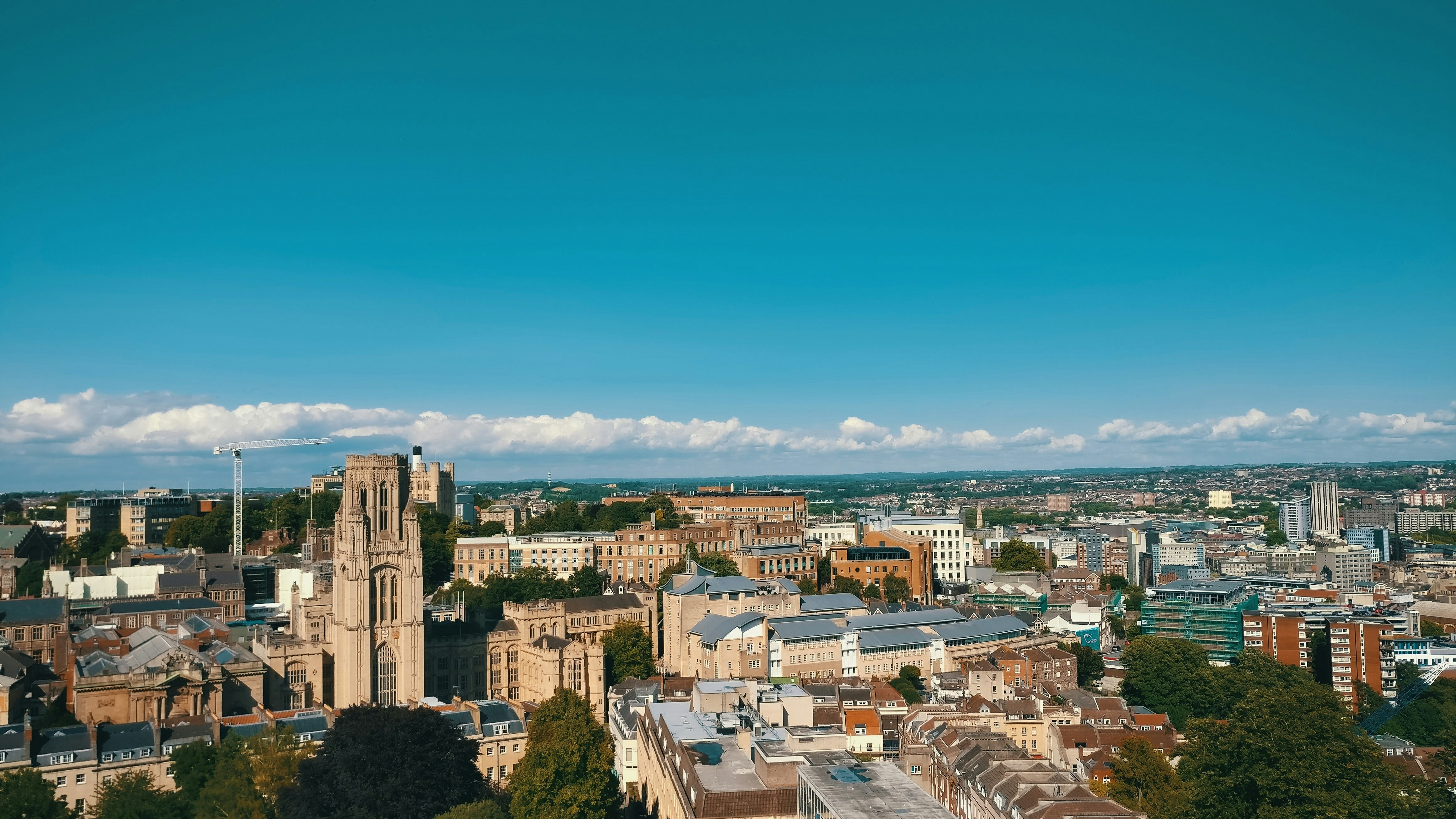
A Maritime Legacy Written in Stone
The waterfront has been shaped by centuries of seafaring ambition. At the Floating Harbour, engineered in the early 19th century to keep ships afloat regardless of tidal movements, the ingenuity of Georgian engineers can still be witnessed. This remarkable feat of engineering allowed vessels to remain moored safely, transforming the city into one of Britain's most important ports.
The SS Great Britain, Isambard Kingdom Brunel's revolutionary iron steamship, has been preserved in the very dock where she was built in 1843. Visitors today can walk her decks and marvel at innovations that were considered impossible at the time. Her hull, visible through a glass floor in the dry dock below, serves as a powerful reminder of the bold vision that once characterized this maritime powerhouse.
Along the harbourside, rust-colored cranes stand as industrial sculptures, their working days long past but their presence deeply respected. These monuments to labor and trade have been woven into the modern landscape rather than erased, a testament to how history continues to be valued even as new chapters get written.
Things to do in Bristol
The Weight of History's Darker Chapters
Honesty demands acknowledgment of the wealth that was built on unconscionable foundations. The triangular trade brought enormous prosperity to merchants and shipbuilders, but this fortune was extracted through human suffering. The legacy of slavery has been confronted in recent years through difficult conversations and symbolic reckonings.
In 2020, the statue of Edward Colston, a 17th-century slave trader, was toppled by protesters and thrown into the harbor. This moment, broadcast worldwide, sparked intense debate about how historical figures should be remembered and whose stories deserve to be told. The statue was later recovered and placed in a museum, preserved exactly as it was pulled from the water, an artifact not just of the past but of ongoing struggles over memory and justice.
At M Shed, the city museum housed in a converted transit shed, these complex histories have been explored with nuance and depth. Exhibits don't shy away from uncomfortable truths, allowing visitors to grapple with how prosperity and exploitation were intertwined in the city's rise.
A Canvas for Creative Expression
The streets themselves have become galleries where art can be encountered at every turn. Banksy, the world's most famous anonymous artist, grew up here, and his works still appear unexpectedly on walls throughout the city. "Well Hung Lover," depicting a naked man dangling from a window, became so beloved that when it was defaced, the community rallied to have it restored.
But street art here extends far beyond one celebrated name. In Stokes Croft, entire buildings have been covered in vibrant murals by artists from around the world. The annual Upfest, Europe's largest street art festival, transforms the streets of Bedminster into an open-air exhibition where creativity flourishes without the constraints of traditional galleries.
This creative spirit has been nurtured by venues like the Arnolfini, one of Europe's leading centers for contemporary arts, housed in a converted tea warehouse on the waterfront. Experimental performances, challenging exhibitions, and boundary-pushing events have been hosted here for decades, cementing the city's reputation as a place where artistic risks get taken and rewarded.
Engineering Marvels Old and New
Clifton Suspension Bridge, Brunel's masterpiece, spans the Avon Gorge with an elegance that still takes the breath away nearly 160 years after its completion. The slender iron chains, suspended 245 feet above the river, seem almost impossibly delicate for the weight they bear. At sunset, when the limestone cliffs glow golden and the bridge's silhouette cuts across the sky, the scene embodies a perfect marriage of human ambition and natural beauty.
Below the bridge, the Avon Gorge itself provides a dramatic backdrop for walks and adventures. Rock climbers can be spotted scaling the limestone faces, while peregrine falcons nest in the cliffs – a rare sight of wild predators thriving in an urban environment.
Modern engineering continues to leave its mark. The Pero's Bridge, a sleek pedestrian crossing named after an enslaved man who lived in the city, connects different parts of the harbourside with contemporary flair. Its distinctive horn-shaped design has become instantly recognizable, proof that architectural boldness didn't end with the Victorian era.
A Feast for the Senses
St. Nicholas Market, operating since the 18th century, remains a bustling hub where flavors from around the world can be sampled. Caribbean patties, Mexican tacos, and artisan cheeses compete for attention alongside traditional British pies. The covered arcades, with their Victorian ironwork and glass roofs, create an atmosphere where commerce feels like celebration.
The city's culinary scene has been elevated by a new generation of chefs who take local sourcing seriously. Cider, long produced in the surrounding countryside, has experienced a renaissance, with craft producers creating sophisticated brews that rival fine wines in complexity. At waterfront pubs, locally-caught fish gets served alongside pints of these revived traditional drinks, connecting contemporary dining to regional traditions.
The Tobacco Factory, a converted cigarette manufacturing plant in Southville, now houses a theatre, bar, and Sunday market where organic vegetables, handmade crafts, and freshly baked sourdough can be purchased directly from producers. This transformation of industrial space into community hub perfectly captures how old structures have been given new purpose.
Green Spaces and Breathing Room
Despite its urban density, space for nature has been preserved and cherished. Brandon Hill, the city's oldest park, offers panoramic views from Cabot Tower, a red sandstone memorial that rises 105 feet above the treetops. Climbing its spiral staircase gets rewarded with vistas stretching to Wales on clear days.
The downs above Clifton provide expansive common land where kites fly, dogs run, and families picnic within minutes of the city center. These green lungs, protected from development by historical decree, allow residents to access countryside without leaving urban boundaries.
Along the River Avon, walking and cycling paths have been created, connecting the city to surrounding villages and countryside. On summer evenings, these routes fill with joggers, cyclists, and walkers, proof that active transportation has been embraced as both practical necessity and leisure activity.
Innovation and Industry Reimagined
The industrial heritage that once defined the city has been channeled into new forms. Temple Quarter, a former railway lands area near the station, has been designated as an enterprise zone where tech startups, creative agencies, and research facilities have been attracted by converted warehouses and new-build spaces.
The aerospace industry, which has maintained a presence here since the early days of aviation, continues to provide highly skilled employment. Advanced engineering, sustainable technologies, and digital innovation have become the new foundations of prosperity, replacing the maritime trade that once dominated.
Universities and research centers have fostered connections between academia and industry, creating a ecosystem where ideas can be rapidly prototyped and brought to market. This marriage of intellectual capital and entrepreneurial energy has been credited with making the city one of Britain's fastest-growing economies outside London.
Music in the Blood
Few cities of comparable size can claim such outsized influence on popular music. Trip-hop, the genre that defined the 1990s alternative scene, was born here through pioneering groups like Massive Attack and Portishead. Their dark, atmospheric sound, mixing hip-hop beats with electronic textures and soulful vocals, captured something of the city's post-industrial melancholy and creative defiance.
That musical legacy continues at venues large and small. The Colston Hall, recently renamed Bristol Beacon after extensive renovations and the severing of ties to its problematic namesake, hosts world-class performances. Meanwhile, intimate venues in Stokes Croft and Clifton provide stages for emerging artists, ensuring the pipeline of talent never runs dry.
Sound systems and underground parties have long been part of the cultural fabric, with bass-heavy genres from drum and bass to dubstep finding devoted followings. This underground scene, operating in warehouses and informal spaces, provides counterpoint to official cultural offerings and keeps the city's edge sharp.
The spirit of reinvention that has characterized this corner of southwest England shows no signs of fading. From its origins as a medieval port through industrial revolution powerhouse to contemporary creative hub, the constant has been adaptation. The same boldness that launched Brunel's impossible ships now propels artists, entrepreneurs, and communities toward new possibilities. Visitors who venture beyond the obvious attractions find a city that rewards curiosity, honors complexity, and continues to write its story with characteristic independence. Those seeking similar creative energy might find resonance in places like Liverpool, where industrial heritage has likewise been transformed into cultural capital.


 Home
Home Wishlist