
Como: Where Alpine Grandeur Meets Italian Elegance
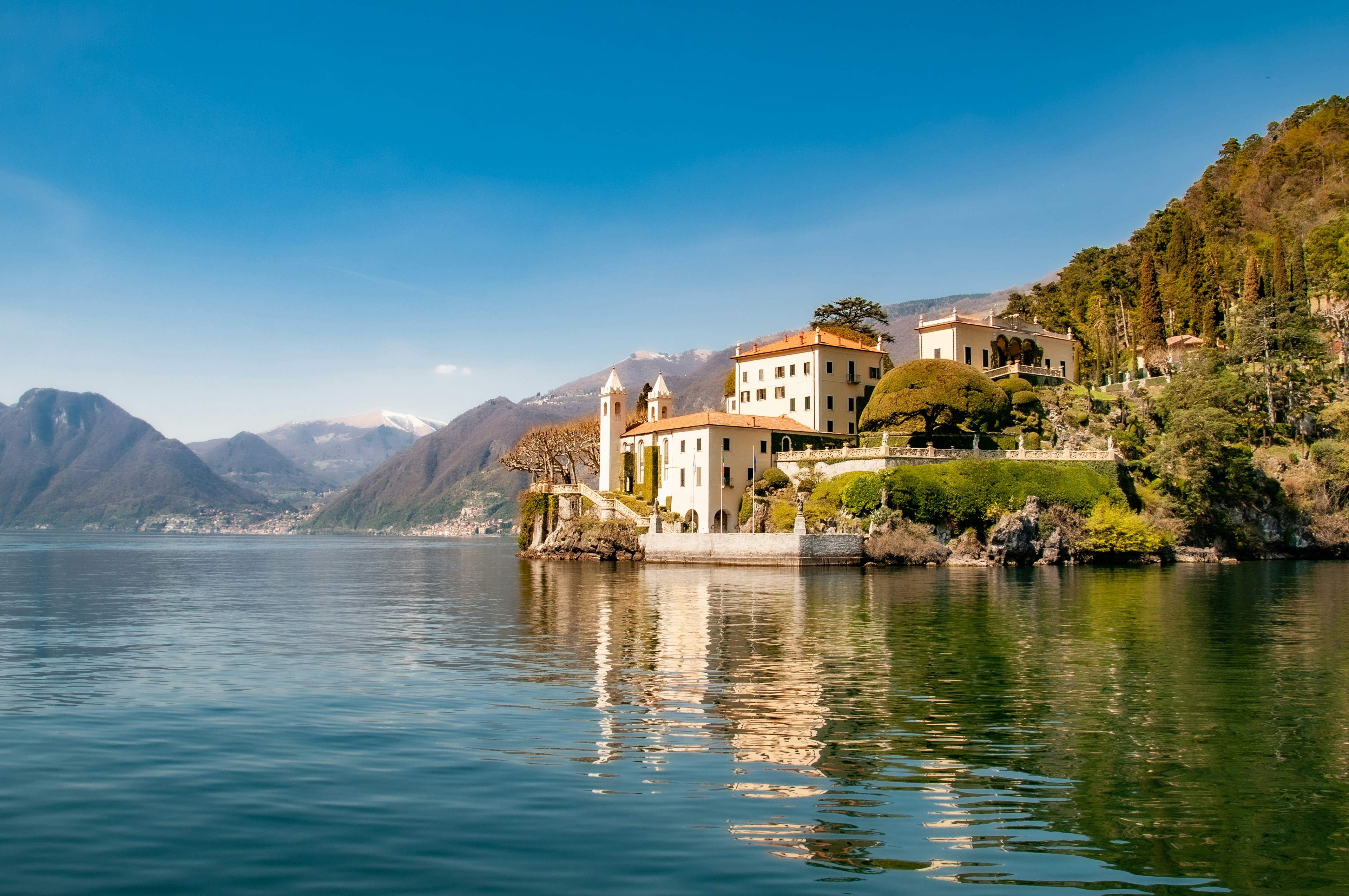
A Lake Born of Ice and Time
The landscape was carved thousands of years ago by glaciers retreating northward, leaving behind a Y-shaped basin that would become one of Europe's deepest lakes. Today, Lake Como stretches across nearly 150 square kilometers, its waters reaching depths of over 400 meters in places. The surrounding mountains provide shelter from harsh northern winds, creating a microclimate where Mediterranean vegetation flourishes alongside Alpine flora.
From the water's edge, three distinct branches can be observed: the southwestern arm leading toward Milano, the southeastern branch extending toward Lecco, and the northern finger pointing toward the Swiss border. Each section offers its own character, shaped by geography and centuries of human settlement. The city sits at the meeting point of these waters, its position having made it a natural crossroads for trade and travel since Roman times.
Things to do in Como
Silk Threads Woven Through History
By the 16th century, a transformation had begun that would define the local economy for centuries. Silk production was introduced, taking advantage of abundant mulberry trees and the region's moderate climate. Within generations, workshops and factories had spread throughout the area, their products sought after by royal courts and fashionable society across Europe.
The silk industry shaped not just commerce but culture. Grand villas were built by wealthy merchants, their gardens designed to showcase both aesthetic sensibility and commercial success. Today, while large-scale production has diminished, the tradition continues in specialized ateliers where artisans still practice techniques passed down through generations. Museums dedicated to this heritage display antique looms and exquisite fabrics that once adorned European nobility.
Architectural Treasures at Water's Edge
The Duomo stands as the city's most prominent monument, its construction having spanned nearly four centuries. Work began in 1396, and the final details weren't completed until 1770. The Gothic structure was topped with a Baroque dome designed by Filippo Juvarra, creating an unusual but harmonious blend of architectural styles. Inside, tapestries and paintings accumulated over centuries create a museum-like atmosphere where art and devotion intertwine.
Just steps from the cathedral, the Broletto can be found—a 13th-century civic building constructed in striped Lombard Romanesque style. Its façade, alternating bands of white, grey, and red marble, speaks to an era when municipal pride found expression in bold architectural statements. The building once served as the seat of city government, witnessing countless debates and decisions that shaped local life.
Villas That Inspired Legends
Along the lake's shoreline, magnificent residences have been constructed over the past five centuries, each more spectacular than the last. Villa d'Este, originally built in the 16th century for a cardinal, was transformed into one of Europe's most luxurious hotels in the 19th century. Its terraced gardens descend toward the water in a series of fountains, grottos, and manicured lawns that have enchanted guests ranging from European royalty to Hollywood stars.
Villa Olmo, with its severe neoclassical lines, stands in striking contrast to the more ornate estates nearby. Completed in 1797, the building was designed to reflect Enlightenment ideals of rational beauty. Today, its vast halls host art exhibitions and cultural events, the villa having been donated to the public in the 20th century.
Perhaps most dramatically situated, Villa del Balbianello clings to a promontory jutting into the lake's waters. Accessible primarily by boat, the villa was built atop the ruins of a medieval monastery. Its terraced gardens seem to float above the water, offering views that have made it a favorite filming location for directors seeking romantic backdrops.
Funicular Journeys and Mountain Vistas
Since 1894, a funicular railway has carried visitors up to Brunate, a hillside village perched 500 meters above the lake. The seven-minute journey climbs steeply through chestnut forests and past stone houses, emerging at a viewpoint where the entire lake spreads out below. On clear days, the Alps can be seen stretching toward Switzerland, their snow-capped peaks forming a dramatic horizon.
Walking paths wind through Brunate's narrow streets, leading to scenic overlooks and the Volta Lighthouse, built in 1927 to honor Alessandro Volta, the physicist who invented the electric battery and was born in the city below. The lighthouse, though far from any sea, serves as a beacon for hikers and a symbol of the region's contribution to scientific progress.
Culinary Traditions from Lake and Land
Local cuisine reflects the meeting of mountain and water, Alpine tradition and Lombardian richness. Missoltini—sun-dried shad fish preserved with bay leaves—represent an ancient preservation method born of necessity but now considered a delicacy. The small fish, caught during specific seasons, get prepared according to techniques that have changed little over centuries.
Polenta, made from cornmeal and cooked slowly until creamy, appears on nearly every traditional menu. It might be served alongside braised rabbit, stewed wild boar, or the region's prized cheeses. Gorgonzola and Taleggio, both produced in nearby valleys, bring robust flavors that pair beautifully with local wines.
For dessert, Miascia represents humble origins transformed into something comforting. This bread pudding, traditionally made with stale bread, apples, and dried fruit, was created by resourceful housewives determined not to waste anything. Today, it gets served in restaurants alongside espresso, a sweet reminder of simpler times.
Waters That Inspired Artists and Writers
The lake's beauty has long attracted creative souls seeking inspiration. Romantic poets of the 19th century wrote rapturous descriptions of sunsets over the water and moonlight reflected on gentle waves. Composers came to find peace and productive solitude. Liszt wrote music while staying at Villa d'Este, the surroundings reportedly influencing his compositions.
In more recent decades, the lake has provided settings for numerous films. Directors have been drawn to its combination of natural splendor and elegant architecture, finding in its villas and villages the perfect backdrop for stories of romance and intrigue. These cinematic appearances have introduced new generations to the region's charms, though locals sometimes regard the attention with mixed feelings—pride in recognition tempered by concerns about preserving authenticity.
Villages Clinging to Steep Shores
Beyond the main city, dozens of smaller communities dot the shoreline, each with its own character and history. Bellagio, positioned at the point where the lake divides into its two southern branches, has been called the "Pearl of the Lake" for its picturesque setting and charming streets. Stone staircases climb between ancient houses, opening unexpectedly onto lakefront promenades where boats bob gently in the harbor.
Varenna, on the eastern shore, maintains an atmosphere of quiet authenticity often missing in busier tourist centers. Its medieval layout remains largely intact, with covered walkways and narrow passages designed for an era of foot traffic and donkeys rather than automobiles. The village's lakefront passarella—a walkway carved into the cliff face—offers stunning views across the water.
Gardens Where Rare Species Flourish
The favorable climate has allowed botanical collectors to cultivate species rarely seen at this latitude. Villa Carlotta's gardens showcase azaleas and rhododendrons that explode into color each spring, their blooms so abundant they seem to overwhelm the grounds. Camellias, bamboo, and even citrus trees thrive in protected corners, testament to the microclimate's unusual mildness.
These gardens weren't created merely for beauty. Many served as scientific collections where 18th and 19th-century botanists experimented with acclimatizing exotic plants. The gardens became living laboratories where discoveries were made about cultivation techniques and plant adaptation, contributing to broader European knowledge of horticulture.
Contemporary Life Among Historic Stones
Despite its historical significance and tourist appeal, the city remains a living community where daily life continues much as it has for generations. Morning markets bring locals out to shop for fresh produce and catch up on neighborhood news. Children attend schools housed in centuries-old buildings, their laughter echoing off ancient walls during recess.
The challenge of balancing preservation with modern needs gets navigated carefully. Historic buildings have been adapted for contemporary uses, their exteriors maintained while interiors receive necessary updates. Regulations protect architectural heritage while allowing the flexibility needed for the city to evolve rather than become a museum piece.
Seasonal Transformations
Each season brings its own character to the lake. Spring arrives early, announced by flowering trees in villa gardens and café tables reappearing on piazzas. Summer draws the largest crowds, the water warm enough for swimming and sailboats dotting the surface like scattered confetti. Autumn brings fog that sometimes shrouds the lake in mysterious veils, while the surrounding mountains blaze with color as leaves change.
Winter, often overlooked by visitors, offers its own austere beauty. The lake rarely freezes, but snow blankets the mountains above, creating dramatic contrasts. Tourist crowds disappear, revealing a quieter rhythm of life. Local residents reclaim their city, restaurants serve hearty warming dishes, and a peaceful atmosphere descends that feels worlds away from summer's bustle.
The journey from Milan takes less than an hour by train, making this lakeside escape easily accessible for those seeking respite from urban intensity while still remaining within reach of metropolitan convenience.


 Home
Home Wishlist