
Düsseldorf: Where Rhine Elegance Meets Modern Sophistication
The Altstadt's Living Heritage
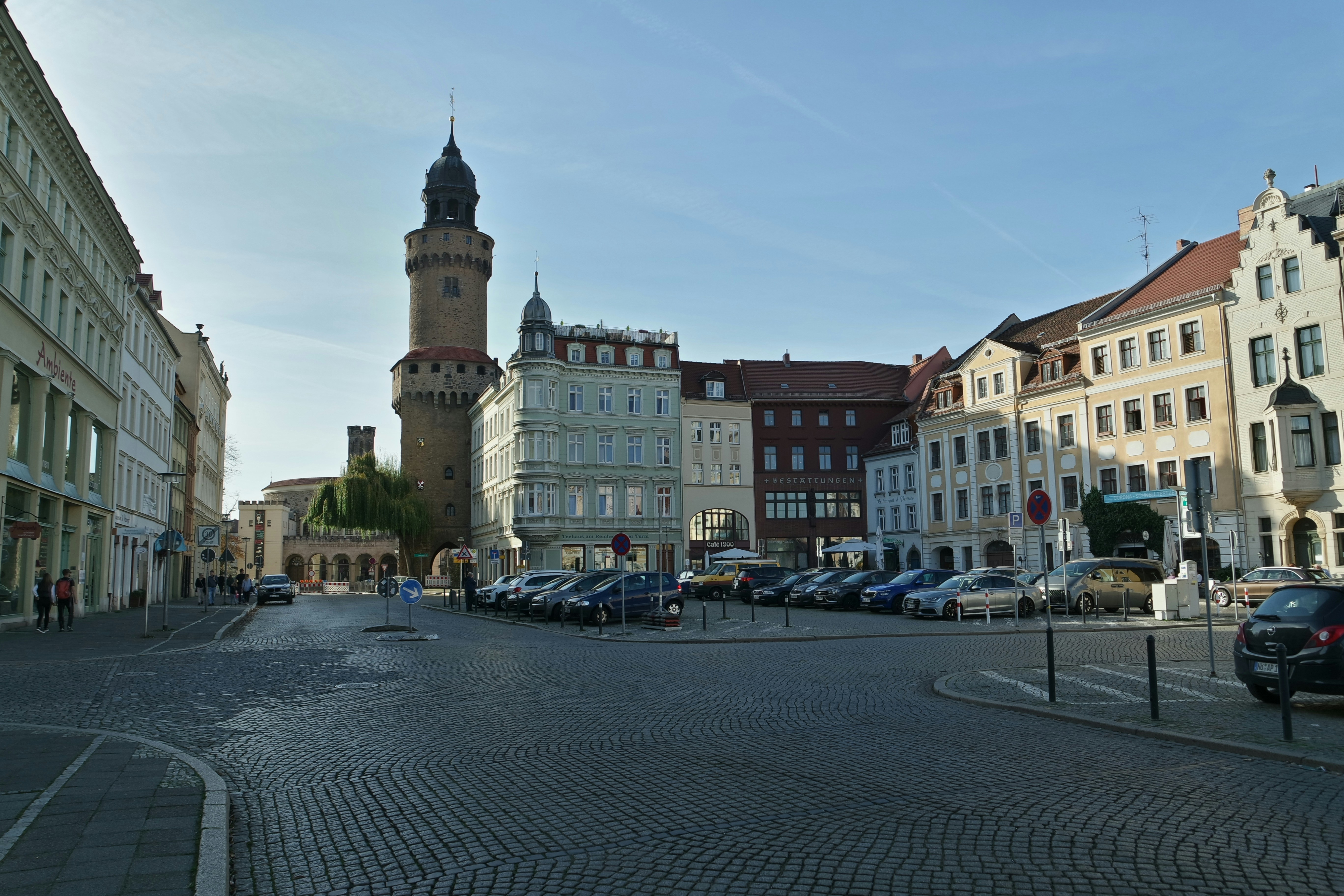
The Altstadt – the Old Town – has been nicknamed "the longest bar in the world" by locals and visitors alike, though this playful designation barely scratches the surface of what gets discovered here. More than 260 bars, restaurants, and breweries have been packed into roughly half a square kilometer, creating an atmosphere where tradition gets celebrated nightly. The air becomes filled with conversation and laughter as evening descends, while the aroma of Altbier – the city's signature copper-colored brew – wafts from countless taverns.
Historic buildings dating back centuries line cobblestone lanes, their facades having been carefully restored after wartime devastation. The Rathaus, with its Renaissance architecture, stands as a reminder that civic pride has been woven into the urban fabric for generations. Not far away, the Schlossturm – the castle tower – overlooks the Rhine promenade, its medieval stones having witnessed the ebb and flow of history along these vital waterways.
Things to do in Dusseldorf
The Königsallee's Elegant Statement
A different character entirely gets presented along the Königsallee, affectionately shortened to "Kö" by those in the know. This boulevard, designed in the early 19th century, has been transformed into one of Europe's most exclusive shopping streets. A tree-lined canal runs down its center, creating a buffer between the two sides of the avenue. Swans glide across the water's surface while designer boutiques and luxury flagship stores display their wares behind pristine windows.
Fashion shows and product launches get hosted here regularly, reinforcing the city's reputation as a style capital. The wealth generated by the surrounding Rhine-Ruhr economic region flows through these streets, where international brands compete for prime retail space. Yet even amid this commercial glamour, benches alongside the canal offer quiet spots where the spectacle can be observed without participation.
Creative Expression Along the Harbor
A stark contrast has been created in the MedienHafen – the Media Harbor – where industrial warehouses have been reimagined as architectural statements. The revitalization of this former dockland area began in the 1990s, attracting world-renowned architects whose visions would redefine the city's skyline. Buildings by Frank Gehry twist and curve in ways that seem to defy structural logic, their metallic surfaces catching light differently throughout the day.
Advertising agencies, fashion companies, and media firms have established their headquarters in these sculptural structures, drawn by both the aesthetic appeal and the symbolic message sent by such bold design choices. Along the harbor promenade, restaurants and bars cater to the creative professionals who work in the surrounding buildings, while photographers seek out perfect angles to capture the interplay of old brick and contemporary glass.
Artistic Treasures Carefully Preserved
The Museum Kunstpalast houses collections that span centuries, from medieval altarpieces to contemporary installations. Rubens, Caravaggio, and other masters have been given gallery space, their works displayed in rooms designed to complement the viewing experience. Meanwhile, the K20 and K21 venues – part of the Kunstsammlung Nordrhein-Westfalen – focus on 20th and 21st-century art, showcasing pieces by Klee, Picasso, and Warhol alongside contemporary German and international artists.
Photography enthusiasts find themselves drawn to the city's connection to the Düsseldorf School, where Bernd and Hilla Becher pioneered a documentary approach that would influence generations of image-makers. Their students, including Andreas Gursky and Thomas Struth, have achieved international recognition, and their large-format works get exhibited in galleries around the world.
Culinary Traditions Honored and Evolved
Local cuisine reflects both regional heritage and international influence. Rheinischer Sauerbraten – pot roast marinated in a sweet-sour sauce – gets served in traditional brewhouses alongside potato dumplings and red cabbage. The preparation methods have been passed down through generations, with each establishment claiming their particular recipe produces the most authentic flavor.
At the other end of the culinary spectrum, Michelin-starred restaurants have been established throughout the metropolitan area, their chefs applying modern techniques to local ingredients. Japanese cuisine has found particularly strong representation here, with the city hosting one of the largest Japanese communities in Europe. In the neighborhood around Immermannstraße, ramen bars and izakayas sit alongside traditional German establishments, creating a dining scene enriched by cultural exchange.
Green Spaces Thoughtfully Maintained
The Hofgarten, one of Germany's first public parks, was laid out in 1769 and has been expanded over subsequent centuries. Its paths wind through carefully tended lawns and past ponds where ducks congregate, while mature trees provide shade during summer months. Joggers, families, and office workers on lunch breaks share these spaces, the park serving as a democratic refuge from urban intensity.
Further afield, the banks of the Rhine itself have been developed into recreational areas where cycling paths stretch for kilometers. On warm weekends, the riverside gets populated by picnickers, sunbathers, and impromptu gatherings that continue well into evening hours. The sight of cargo barges and pleasure boats passing by serves as a reminder that this river remains a working waterway, even as its banks get enjoyed for leisure.
Commerce and Culture Intertwined
The city's economic foundation rests on diverse industries – telecommunications, fashion, advertising, and trade fairs all contribute to regional prosperity. Major corporations have chosen to locate their German or European headquarters here, drawn by infrastructure, connectivity, and quality of life. The airport connects the region to destinations worldwide, while the central train station serves as a hub for high-speed rail networks.
This economic vitality has funded cultural institutions and public spaces that might otherwise struggle for support. The relationship between commerce and culture has been carefully balanced, with business leaders often serving as patrons for artistic initiatives. Sponsorship of museums, theaters, and festivals gets viewed not merely as philanthropy but as investment in the characteristics that make the city attractive to talented professionals.
Carnival Spirit Temporarily Unleashed
For a few days each year, usual restraint gets abandoned during Karneval celebrations. Parades wind through streets as elaborate floats pass by, their satirical themes commenting on political and social issues. Costumes of all descriptions appear on participants who embrace the temporary suspension of everyday norms. Traditional calls of "Helau!" ring out from crowds that have gathered to witness the spectacle.
This annual explosion of revelry contrasts sharply with the polished sophistication displayed during the rest of the year, revealing a different dimension of local identity. The parties, the music, the deliberate absurdity – all serve as release valves for a population that otherwise maintains considerable decorum in public life.
Forward Motion Continuously Pursued
Sustainability initiatives have been implemented across various sectors, from energy-efficient building standards to expanded public transportation networks. The city government has committed to reducing carbon emissions, while private enterprises develop clean technology solutions. Solar panels get installed on rooftops, bike-sharing programs expand their reach, and discussions about future mobility solutions take place in planning departments and corporate boardrooms alike.
Educational institutions prepare the next generation for evolving job markets, with programs emphasizing both technical skills and creative problem-solving. The Heinrich Heine University contributes research and innovation to regional development, while specialized schools focus on fashion, design, and media production. This investment in human capital helps ensure that economic relevance won't be lost to shifting global conditions.
The balance struck here – between historic preservation and contemporary ambition, between business pragmatism and artistic expression – continues to be refined. What has been built along these Rhine banks reflects choices made across generations, each adding layers to an urban identity that resists simple categorization. Travelers seeking a different perspective on German culture might consider exploring westward afterward, perhaps discovering what awaits in Koln, where cathedral spires pierce the skyline just a short distance upriver.


 Home
Home Wishlist