
Gandia: Where Golden Sands Meet Centuries of History
Two Worlds United
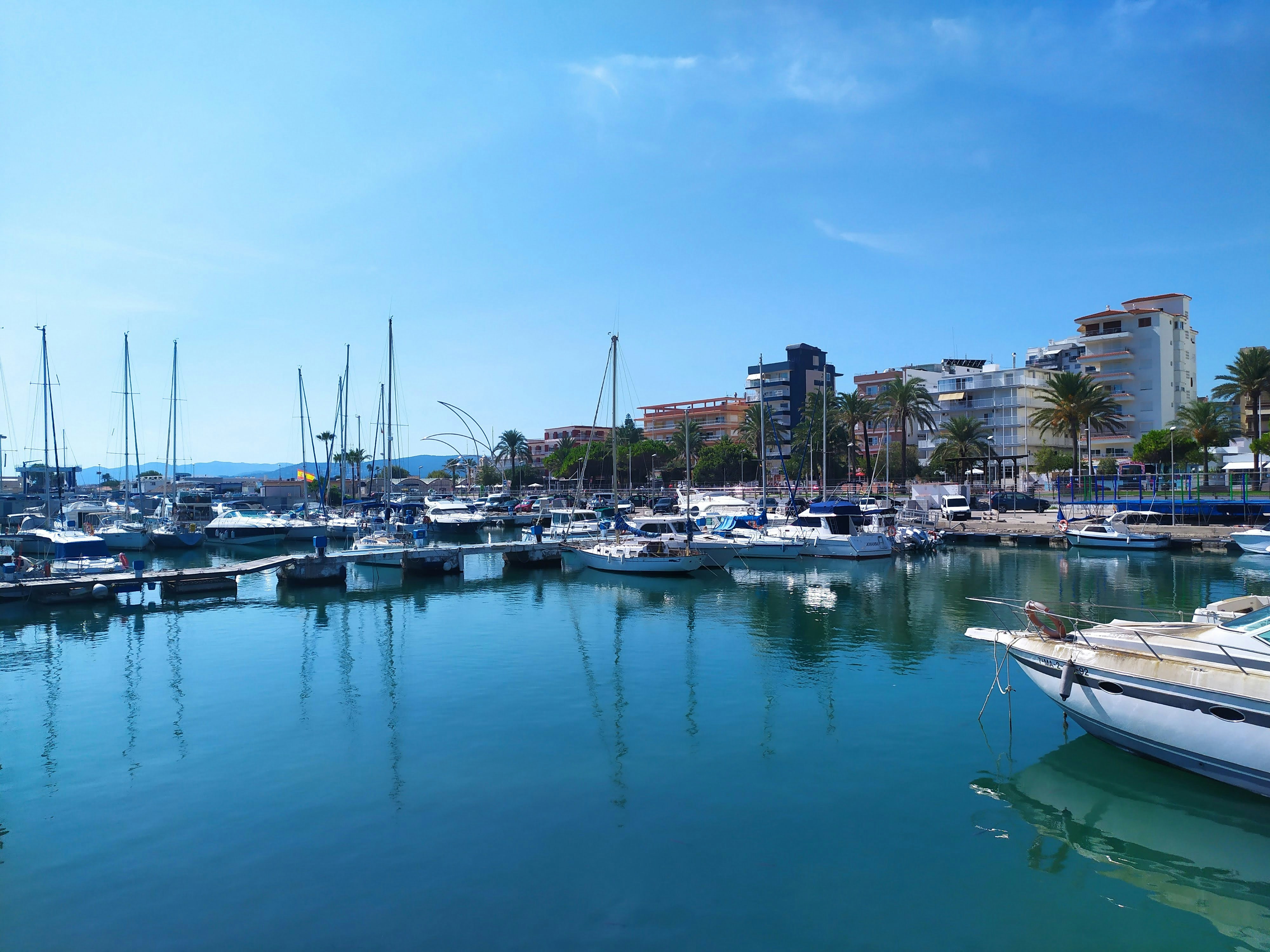
What makes this coastal gem particularly fascinating lies in its dual identity. The historic center, located several kilometers inland, has been carefully preserved as a testament to medieval grandeur and Renaissance splendor. Meanwhile, the beachfront area has been developed with modern sensibilities, creating a resort atmosphere that attracts visitors from across Europe. This division between old and new creates an intriguing dynamic rarely found in other Mediterranean destinations.
The journey between these two distinct zones can be made along roads lined with citrus orchards, their fragrance particularly potent during spring bloom. This agricultural heritage has shaped the local economy for centuries, with orange cultivation remaining an important industry. Markets throughout the region overflow with produce, and the scent of freshly squeezed juice wafts from cafes and street vendors.
Things to do in Gandia
A Palace Worthy of Legends
At the heart of the historic quarter stands the Palacio Ducal, a structure that has witnessed centuries of Spanish history unfold within its walls. Originally constructed in the 14th century, this Gothic palace was transformed during the Renaissance into a residence befitting the powerful Borgia family. Yes, that Borgia family – the dynasty that produced popes, cardinals, and figures whose names became synonymous with both Renaissance brilliance and intrigue.
The palace's Golden Gallery remains one of Spain's most impressive examples of late Gothic architecture. Its intricate ceramic tilework, created by Valencian artisans, depicts mythological scenes with stunning detail. Light filters through tall windows, illuminating frescoes that have survived wars, revolutions, and the simple passage of time. Guided tours through these chambers offer insights into how nobility once lived, worked, and entertained.
Adjacent to the palace, the Collegiate Church of Santa Maria captivates with its austere Gothic beauty. Construction began in the 14th century, though modifications over subsequent centuries added Baroque and Neoclassical elements. The church's treasury houses religious artifacts accumulated over generations, including ornate processional crosses and embroidered vestments that speak to the wealth once concentrated in this region.
Along the Waterfront
A short drive eastward brings dramatic changes to the landscape. The historic stones give way to sweeping stretches of golden sand, where the Mediterranean sparkles under the Spanish sun. The beach here extends for several kilometers, offering plenty of space even during peak summer months. Unlike some overcrowded resort areas, a sense of room to breathe has been maintained.
The promenade running parallel to the shore has been designed with both practicality and aesthetics in mind. Palm trees provide shade, while benches face the water, allowing for peaceful contemplation of the waves. Early morning walks along this pathway reveal a different side of the area – joggers making their circuits, fishermen preparing their gear, and locals walking dogs before the heat of the day takes hold.
Water sports enthusiasts find abundant opportunities here. Windsurfing conditions rank among the best on Spain's eastern coast, with consistent breezes and relatively calm waters. Sailing schools offer instruction for beginners, while rental facilities cater to experienced sailors eager to explore the coastline. Stand-up paddleboarding has gained popularity in recent years, with equipment readily available for those wanting to try this more leisurely water activity.
Traditions Kept Alive
Cultural celebrations throughout the year provide windows into local traditions that have endured for generations. Las Fallas, though most famously associated with Valencia, gets celebrated here with equal enthusiasm each March. Massive papier-mâché sculptures, some reaching several stories high, get constructed over months, only to be burned in spectacular nighttime displays. The combination of artistry and destruction creates an unforgettable spectacle.
During Holy Week, religious processions wind through the historic streets. Ornate pasos – platforms bearing religious statues – get carried by robed members of various brotherhoods. The solemnity of these processions contrasts sharply with the celebratory atmosphere of festivals at other times of year, revealing the deep Catholic traditions still observed in this region.
Summer brings a different type of celebration. The Fira i Festes, held each October, transforms the city into a giant carnival. Parades, concerts, fireworks, and traditional music performances fill the streets for over a week. This festival has been celebrated since 1499, making it one of the oldest continuous celebrations in Spain. Attending means stepping into a tradition that has brought communities together for over five centuries.
Culinary Heritage
The local gastronomy reflects both maritime and agricultural influences. Rice dishes dominate menus, hardly surprising given the proximity to Valencia, birthplace of paella. However, local variations exist that use ingredients particular to this area. Fideuà, made with short noodles instead of rice, gets prepared with fresh seafood caught that same morning. The slightly toasted noodles absorb the rich broth, creating textures and flavors distinct from their rice-based cousin.
Seafood arrives at restaurants within hours of being caught. Red shrimp from nearby waters appear on menus throughout the area, their sweet flesh requiring minimal preparation. Grilled fish, seasoned simply with olive oil, garlic, and parsley, allows the natural flavors to shine. Market halls offer the chance to see the incredible variety of Mediterranean seafood, from octopus to sea bass to tiny chanquetes.
Citrus fruits naturally feature prominently in local cuisine. Orange segments get tossed into salads, while lemon juice brightens countless dishes. The famous agua de Valencia, a potent cocktail combining cava, orange juice, vodka, and gin, was created in the neighboring capital but gets enjoyed enthusiastically here. Its deceptively smooth taste masks considerable alcohol content, making it both beloved and potentially treacherous for the unwary.
Beyond the Center
The surrounding countryside rewards exploration. The Marjal de Gandia, a protected wetland area, provides habitat for numerous bird species. Walking trails allow visitors to observe herons, egrets, and other waterfowl in their natural environment. This marshy landscape, once considered wasteland, now gets recognized for its ecological importance and natural beauty.
Inland villages maintain traditional ways of life increasingly rare in coastal areas. Stone houses cluster around small plazas where elderly residents gather to chat in the shade. Small bars serve local wines and tapas to regulars who have been coming for decades. Time seems to move differently in these places, where the rhythms of agricultural life still dictate daily routines.
The nearby Serpis River valley offers opportunities for hiking and cycling. Routes wind through orange and olive groves, past abandoned mills and along irrigation channels constructed centuries ago. These pathways, once used for transporting goods between villages, now serve recreational purposes while maintaining their historical character.
Living Between Past and Present
What strikes visitors most profoundly might be how successfully this balance between preservation and progress has been achieved. The historic center hasn't been turned into a museum piece, with actual residents still living in centuries-old buildings. Local shops sell everyday necessities alongside tourist souvenirs. Children play football in medieval plazas, their shouts echoing off ancient stones.
Meanwhile, the beach area hasn't been overdeveloped into characterless resort sprawl. Height restrictions have been maintained, preventing the construction of towering hotel blocks that dominate skylines elsewhere. Green spaces have been incorporated into urban planning, ensuring that concrete hasn't completely replaced natural landscapes.
This thoughtful approach to development creates an environment where visitors can experience authentic Spanish coastal life while enjoying modern amenities. Restaurants range from traditional family-run establishments to innovative fusion cuisine. Accommodation options span from historic converted palaces to contemporary beachfront hotels, allowing travelers to choose experiences matching their preferences.
The experience offered here differs markedly from other Spanish coastal destinations. While some might prefer the cosmopolitan energy of Barcelona or the dramatic cliffs elsewhere along the coast, this corner of the Mediterranean provides its own distinctive rewards. Much like travelers seeking diverse European experiences might also explore Heidelberg for its romantic castle ruins and historic university atmosphere, this Spanish destination offers layers of history and culture waiting to be discovered by those willing to look beyond the obvious beach resort facade.


 Home
Home Wishlist