
Gelsenkirchen: A City Reborn Through Resilience and Reinvention
The Weight of Industrial Heritage
The bones of the industrial era can still be felt throughout the urban landscape. Coal mines that employed thousands of workers have been transformed into cultural landmarks. The Nordsternpark, built on the site of a former colliery, now offers green spaces where families gather and cyclists trace paths once traveled by miners heading to their shifts.
At the heart of this industrial legacy stands the Zeche Consolidation, a coal mine complex that operated for over a century before closing in 1993. Rather than being demolished, the site was preserved and reimagined. Its brick buildings and towering winding tower were repurposed for commercial and cultural uses, serving as a tangible reminder of the city's working-class roots.
The transformation wasn't quick or easy. When the mines closed and steel production declined, economic hardship followed. Unemployment rose, population numbers fell, and the city faced an identity crisis. What was a place to become when the industry that defined it for generations had vanished?
Things to do in Gelsenkirchen
Green Transformations
An unexpected answer came in the form of environmental reclamation. The Route der Industriekultur, an industrial heritage trail connecting sites across the Ruhr region, passes through several significant locations here. Former industrial wastelands have been converted into parks and recreational areas, demonstrating how post-industrial spaces can be given new life.
The Rhein-Herne Canal, which once transported coal and steel, now hosts leisure boats and waterside paths frequented by joggers and cyclists. Trees have been planted where factory yards once stood. The air, once thick with industrial emissions, has cleared considerably. These changes weren't merely cosmetic—they represented a fundamental shift in how the city saw its future.
ZOOM Erlebniswelt, one of Germany's most progressive zoos, opened in its modern form in 2005. Rather than traditional cages and enclosures, the facility was designed around the concept of natural habitats. Visitors walk through carefully recreated environments representing Alaska, Africa, and Asia. The zoo became a symbol of the city's commitment to quality of life and family-friendly attractions.
The Beautiful Game
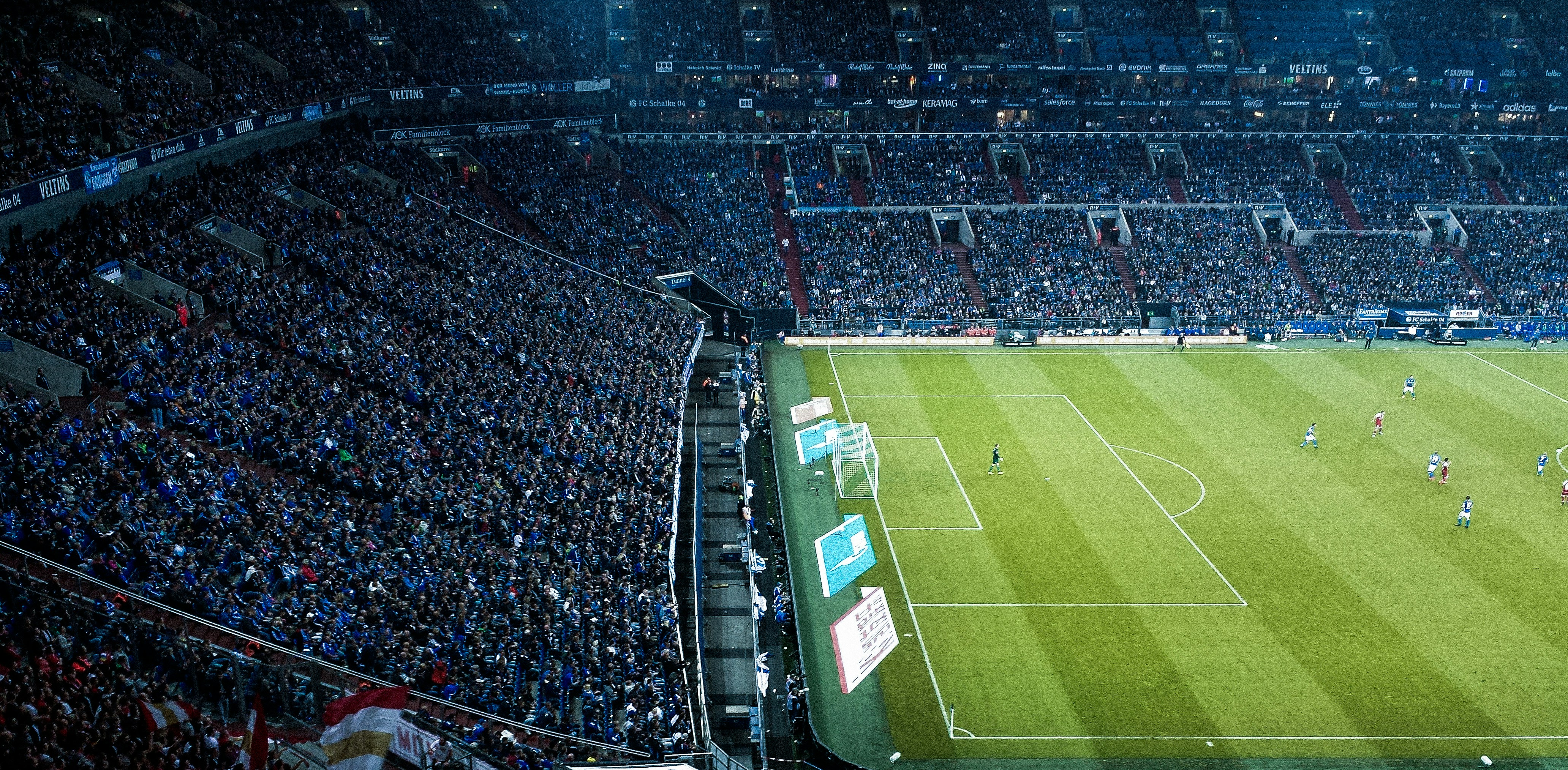
No discussion of this Ruhr city would be complete without mentioning football. FC Schalke 04, one of Germany's most storied clubs, has been woven into the local identity for over a century. The team's supporters, known for their passionate loyalty, have stuck with the club through triumphs and relegations alike.
The Veltins-Arena, Schalke's home stadium, was completed in 2001 and represented a massive investment in the city's sporting future. With its retractable roof and sliding pitch, the venue hosts not only football matches but also concerts and other major events. On match days, the streets fill with supporters draped in royal blue, their chants echoing through neighborhoods.
For many residents, Schalke represents more than just a football club. The team embodies working-class pride and community solidarity. Even during difficult periods—sporting or economic—the bond between club and city has remained unshakeable.
Cultural Revival
The Musiktheater im Revier stands as a testament to the city's cultural ambitions. This striking modernist building, opened in 1959, hosts opera, ballet, and musical theater productions. Its bold architecture and quality programming challenge assumptions about what cultural life in an industrial city might look like.
The Kunstmuseum Gelsenkirchen, though smaller than galleries in larger German cities, houses an impressive collection of modern and contemporary art. Works by artists associated with the Blauer Reiter movement and kinetic art pieces fill the exhibition spaces. The museum's presence underscores a commitment to cultural enrichment that extends beyond industrial heritage.
Throughout the year, various festivals and events bring vitality to public spaces. The Ückendorf district, one of the city's most diverse neighborhoods, hosts street festivals celebrating its multicultural population. Turkish bakeries sit alongside traditional German pubs, and the sounds of multiple languages float through the marketplaces.
The Challenges That Remain
Honesty requires acknowledging that transformation remains incomplete. Economic challenges persist, and unemployment rates remain higher than the national average. Some neighborhoods still bear visible scars from deindustrialization. Vacant storefronts and aging infrastructure serve as reminders that urban renewal requires sustained effort and investment.
Educational outcomes lag behind more prosperous regions. Efforts have been made to improve schools and create opportunities for young people, but systemic issues related to poverty and social mobility continue to demand attention. The city's future depends significantly on its ability to provide pathways to success for the next generation.
Yet these challenges haven't extinguished hope. Community organizations work tirelessly to support residents. Local initiatives focus on job training, youth programs, and neighborhood improvement. The determination that once fueled industrial productivity now drives efforts toward social and economic renewal.
A City Finding Its Voice
What makes this place compelling isn't perfection—it's resilience. The story being written here represents what happens when a community refuses to be defined solely by loss. Industrial heritage has been honored rather than erased. Green spaces have been created where pollution once reigned. Cultural institutions have been supported even when budgets were tight.
The local cuisine reflects this blend of tradition and evolution. Hearty dishes rooted in working-class tradition can still be found in traditional Gaststätten, where schnitzels arrive on plates seemingly too small to contain them. But newer restaurants offer international flavors, reflecting the city's diverse population and changing tastes.
Walking through different districts, contrasts become apparent. The city center, with its pedestrian shopping zone and modern buildings, presents one face. Industrial monuments offer another perspective. Residential neighborhoods, each with distinct character, reveal the human scale of urban life. Together, these elements create a complex portrait that resists simple categorization.
Looking Forward
Transportation connections have been improved, linking the city more effectively to the broader Ruhr region and beyond. The railway station serves as a hub for regional and long-distance trains. Highway access facilitates travel throughout North Rhine-Westphalia and into neighboring regions.
Educational institutions have expanded their offerings, focusing on fields relevant to the modern economy. Partnerships between local businesses and training programs aim to match workforce skills with employer needs. These practical efforts may lack glamour, but they address fundamental questions about economic sustainability.
The environmental improvements that began decades ago continue. Air quality has improved dramatically since the height of industrial production. The commitment to green space development remains strong, with additional parks and recreational facilities planned for former industrial sites.
On crisp autumn evenings, when the sun sets over the Rhein-Herne Canal and lights begin to glow in apartment windows, the city reveals a quiet dignity. This isn't a place that demands attention or makes grand pronouncements. Instead, it offers something perhaps more valuable: an authentic example of how communities adapt, persist, and gradually rebuild.
The transformation witnessed here over recent decades provides lessons applicable far beyond this particular location. When economic foundations crumble, choices must be made. Communities can surrender to decline, or they can fight—street by street, project by project—to create something new from what remains. Those traveling through the region might also find similar stories of reinvention when exploring nearby Essen, where industrial heritage has been transformed into cultural landmarks that draw visitors from around the world.


 Home
Home Wishlist