
Madrid: Where Passion Meets Grandeur
The Art of Existence
Few cities can claim such an extraordinary concentration of artistic treasures. Within a single stretch of boulevard, three of the world's most prestigious museums stand ready to overwhelm visitors with visual splendor. The Prado has been revered as a temple of European painting since its doors were opened in 1819, housing works by Velázquez, Goya, and El Greco that have drawn art lovers for generations. Each canvas reveals something profound about the Spanish soul—its darkness and light, its passion and restraint.
Just steps away, the Reina Sofía museum has been dedicated to more modern expressions of creativity. Here, Picasso's Guernica commands entire rooms with its powerful anti-war statement, while works by Dalí and Miró challenge perceptions and push boundaries. The building itself—a former hospital transformed into an exhibition space—speaks to the Spanish talent for reinvention.
The Thyssen-Bornemisza completes this golden triangle of art, its collection spanning eight centuries of Western painting. What was once a private collection has been made accessible to all, bridging the gap between the classical and the contemporary. Together, these three institutions offer an artistic education that could occupy weeks of study.
Things to do in Madrid
Royal Shadows and Sunny Plazas
The Royal Palace stands as a monument to imperial ambition, its 3,418 rooms making it one of Europe's largest palaces. Though no longer inhabited by royalty, the building has been maintained as a testament to Spain's once-vast empire. Velvet curtains frame towering windows, frescoes adorn vaulted ceilings, and priceless tapestries line walls that have witnessed centuries of intrigue and ceremony.
Beyond the palace gates, the Plaza Mayor unfolds like a perfectly composed stage set. This grand rectangular plaza, enclosed by three-story residential buildings painted in deep red ochre, has been witness to everything from bullfights to public executions, from royal proclamations to Sunday markets. Today, the square has been claimed by tourists and locals alike, its arcaded walkways sheltering cafes where time seems to slow despite the modern world rushing past just beyond the archways.
The Puerta del Sol, by contrast, throbs with constant motion. This bustling square has been considered the symbolic center of Spain—kilometer zero, from which all distances in the country have been measured. The famous clock tower watches over crowds that gather here for New Year's celebrations, political demonstrations, and everyday rendezvous. The energy never quite dissipates, even in the quiet hours before dawn.
Green Refuges
When the urban intensity threatens to overwhelm, the Retiro Park offers a welcome respite. This 125-hectare expanse of greenery was once reserved for royalty, but has been opened to the public since the late 19th century. Rowing boats glide across the waters of the artificial lake, while street performers entertain crowds beneath the shade of ancient trees. The Crystal Palace, a stunning iron-and-glass pavilion, catches the afternoon light in ways that leave photographers scrambling for their cameras.
Throughout the park, sculptures and monuments have been scattered like treasures in a vast outdoor gallery. Families spread picnics on the grass, artists set up easels along tree-lined pathways, and joggers trace circuits around the perimeter. On Sunday afternoons, the park swells with humanity seeking fresh air and open space—a weekly ritual that has been observed for generations.
The Rhythm of the Night
As darkness falls, the city transforms. Restaurants begin filling around ten in the evening—an hour when many other European cities have already settled into slumber. Dinner has been treated as a sacred ritual here, a time for conversation and connection that cannot be rushed. Plates of jamón ibérico and Manchego cheese appear at tables, accompanied by robust Rioja wines or chilled glasses of vermouth.
Later still, the bars and clubs come alive. The neighborhoods of Malasaña and Chueca pulse with music spilling onto streets crowded with revelers. Flamenco can be heard from intimate tablaos, where dancers stamp and twirl with an intensity that borders on the transcendent. The night stretches toward dawn without apology, following rhythms that have been maintained for centuries despite modernity's attempts to impose earlier hours.
Culinary Traditions
The food scene reflects both time-honored traditions and contemporary innovation. In the Mercado de San Miguel, a beautifully restored iron-and-glass market hall, tapas have been elevated to an art form. Small plates of octopus, cod croquettes, and grilled peppers can be sampled while standing at high tables, each bite representing some aspect of Spanish regional cuisine.
Traditional dishes have been perfected over generations. Cocido madrileño—a hearty chickpea stew—has sustained locals through countless winters. Bocadillo de calamares, fried squid rings stuffed into crusty bread, can be found at no-frills bars throughout the city center. These simple pleasures have remained largely unchanged, their recipes guarded and their preparation taken seriously.
Meanwhile, innovative chefs have been pushing boundaries at restaurants that have earned international acclaim. Molecular gastronomy meets traditional ingredients, creating dishes that surprise and delight in equal measure. The Spanish approach to food—reverent yet playful—has been on full display at every level of dining.
Literary Ghosts
The Barrio de las Letras—the Literary Quarter—recalls a golden age when writers and playwrights gathered in these narrow streets. Cervantes spent his final years in a house that has since been converted into a museum, while quotes from literary giants have been embedded in the sidewalks, forcing pedestrians to walk over words that have echoed through centuries.
Cafes that once hosted tertulias—those passionate intellectual gatherings—still operate, their walls lined with photos of famous patrons. At the Café Gijón, established in 1888, leather banquettes and marble-topped tables have witnessed countless debates about art, politics, and philosophy. The tradition of the tertulia may have faded, but the cafe's spirit of creative conversation has been carefully preserved.
The Soul of a City
What distinguishes this place from other European capitals has been captured not in any single monument or museum, but in the attitude of its inhabitants. Pride mingles with warmth, sophistication coexists with unpretentiousness. Life has been approached with a particular intensity here—a determination to extract every ounce of pleasure from each moment.
The Spanish concept of sobremesa—that leisurely time spent at the table after a meal, simply talking and enjoying company—reveals something essential about local values. Time has been understood differently here, measured not by productivity but by the quality of experiences and relationships.
From the elegant boulevards of Salamanca, where designer boutiques cater to refined tastes, to the gritty authenticity of Lavapiés, where immigrant communities have added new flavors to the cultural mix, contrasts have been embraced rather than resolved. This willingness to contain multitudes—to honor the past while charging boldly into the future—gives the city its distinctive character.
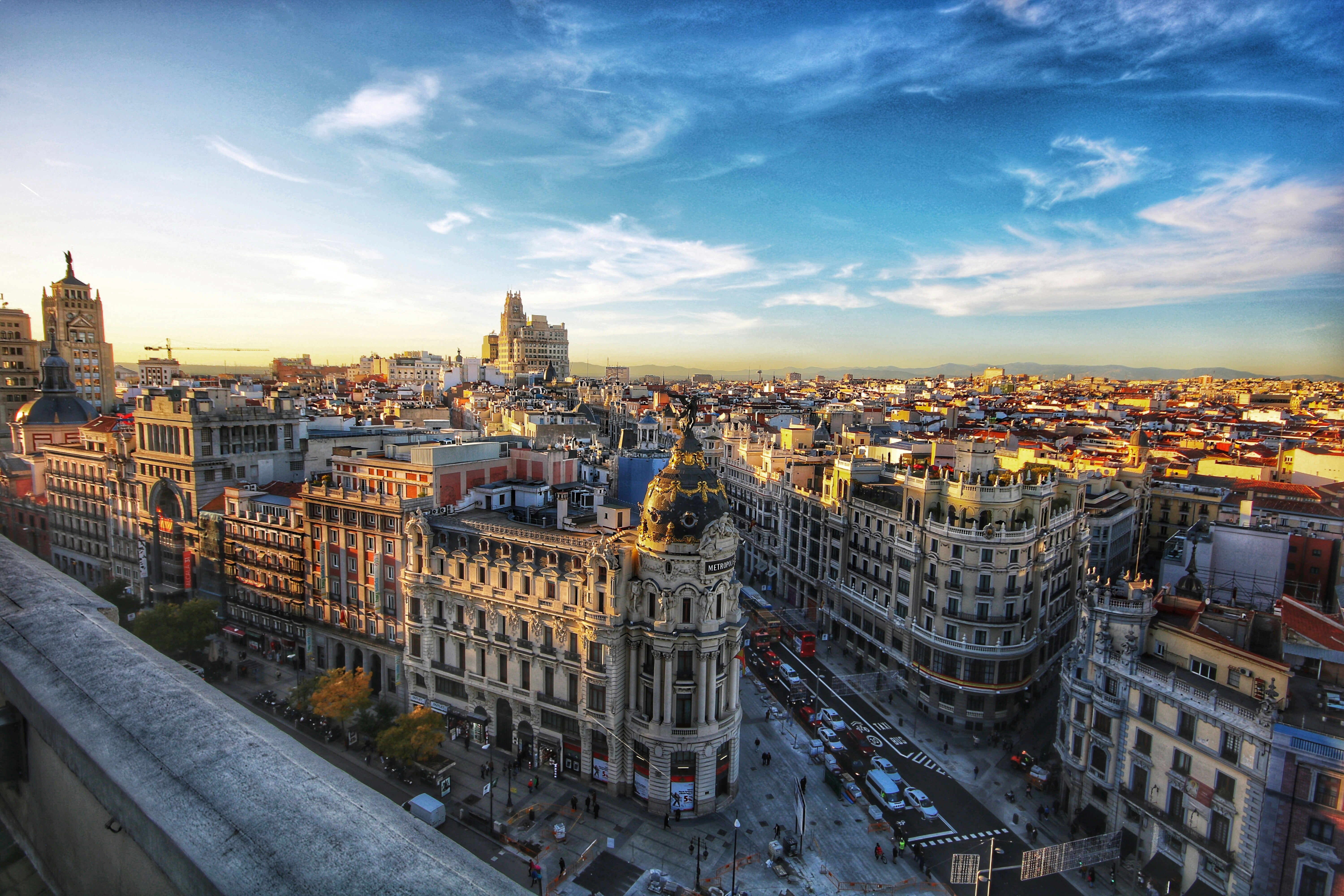
As the Castilian sun sets behind the Sierra de Guadarrama mountains, painting the sky in shades of orange and purple, another evening unfolds. Shutters open onto balconies where neighbors call greetings across narrow streets. The clatter of dishes and bursts of laughter rise from restaurants preparing for the dinner rush. Somewhere, a guitar begins to play. The city shakes off the day's heat and prepares for the hours it loves best—those long, languid evenings that stretch toward midnight and beyond, when life feels less like a march toward some distant goal and more like a dance to be savored with every step. For those seeking similar vibrant experiences elsewhere in Europe, Hamburg offers its own unique blend of maritime heritage and contemporary culture.


 Home
Home Wishlist