
Marbella: Where Glamour Meets Andalusian Soul
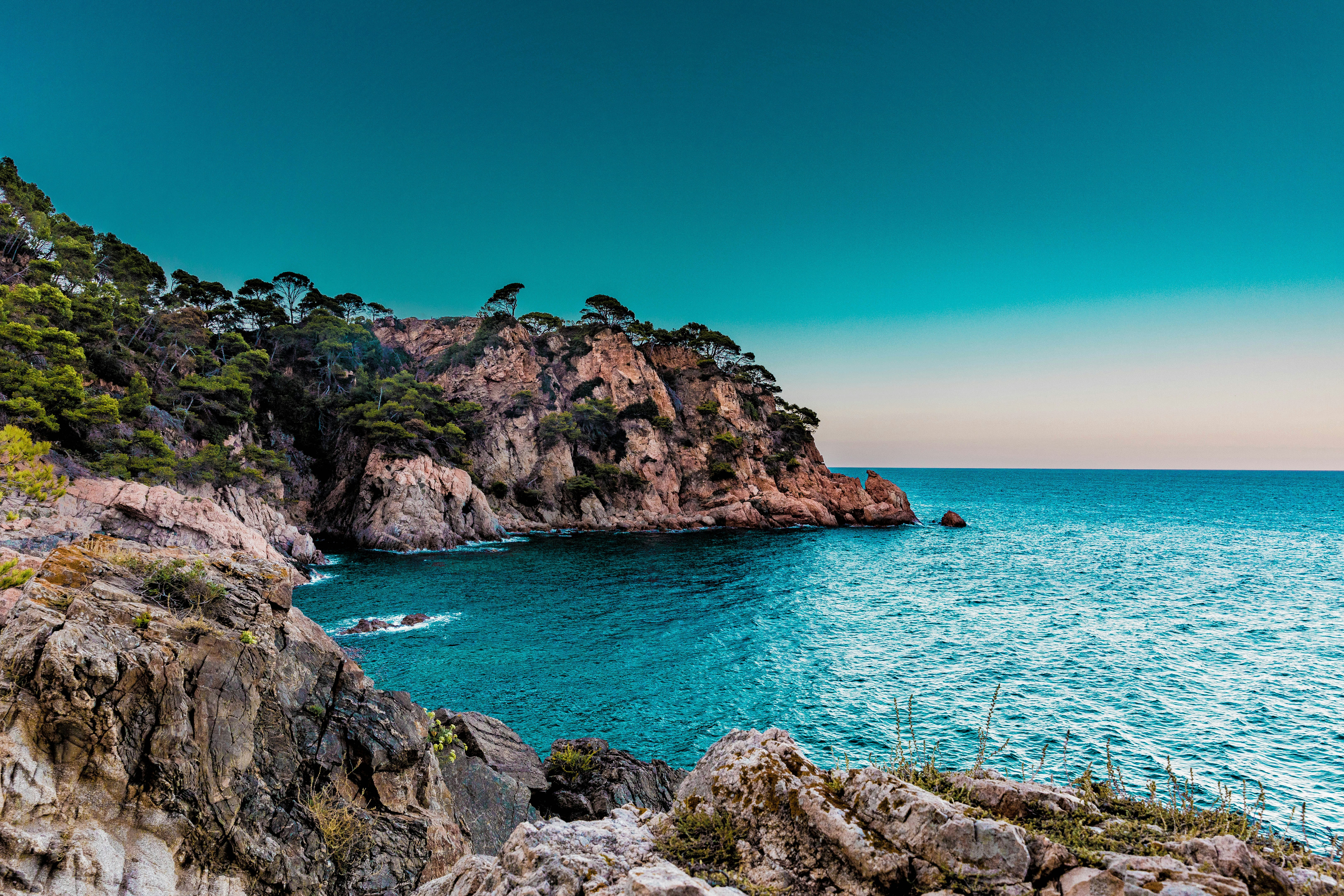
Golden Sands and Azure Waters
The shoreline here stretches for twenty-seven kilometers, interrupted by twenty-four distinct beaches, each with its own character. Some beaches have been awarded Blue Flag status, a recognition earned through exceptional water quality and environmental management. At Playa de la Fontanilla, families gather beneath striped umbrellas while children build sandcastles at the water's edge. Further east, Nikki Beach and other exclusive beach clubs transform the coastline into an open-air salon where international visitors sip champagne while waves lap gently at their feet.
The promenade connecting these beaches was recently renovated, creating a seamless pathway between the old town and the marina. Morning joggers share the path with elderly couples taking their daily constitutional, both groups pausing occasionally to admire the Mediterranean's endless expanse. Palm trees provide welcome shade during the hottest hours, their fronds rustling in the terral wind that occasionally sweeps down from the mountains.
Things to do in Marbella
The Old Town's Enduring Charm
Casco Antiguo, the historic quarter, remains remarkably unchanged despite the modern development surrounding it. White-washed buildings line narrow streets where laundry still hangs from wrought-iron balconies. Geraniums cascade from terracotta pots, their crimson blooms providing splashes of color against pristine walls. Plaza de los Naranjos, the heart of the old quarter, was constructed in 1485 following the Christian reconquest. Today, orange trees still fill this square, their fruit unpicked but their blossoms perfuming the air each spring.
The Ermita del Santo Cristo, a small hermitage dating from the sixteenth century, stands quietly at the edge of the old town. Unlike grander churches that attract busloads of tourists, this modest structure receives mainly local visitors who come to light candles and offer prayers. Its simplicity provides a counterpoint to the glamour found elsewhere, a reminder of the town's humble origins as a fishing village.
A Culinary Journey Through Tradition and Innovation
The gastronomy found here reflects both Andalusian traditions and international influences. At El Estrecho de San Bernardo, octopus has been grilled over charcoal using the same technique for forty years. The owner, whose father opened the restaurant in 1978, still sources his seafood from the same fishermen who supplied his family decades ago. Fresh sardines, caught that morning and skewered on bamboo spits, get roasted over an open fire on the beach—a preparation known as espetos that has been practiced here for generations.
Yet innovation has also found its place at the table. Michelin-starred establishments dot the landscape, their chefs reimagining traditional dishes through modern techniques. At Dani García's restaurant, gazpacho gets deconstructed into a series of textures and temperatures that somehow taste more essentially Andalusian than the original. Ajo blanco, the ancient almond and garlic soup, gets served alongside oysters and caviar, creating unlikely but harmonious marriages of flavors.
The Marina: Where Yachts and Dreams Anchor
Puerto Banús was inaugurated in 1970, transforming what had been a mosquito-infested wetland into one of Europe's most exclusive marinas. Today, superyachts worth tens of millions line the docks, their gleaming hulls reflecting in calm waters. The marina has been featured in countless films and photographs, becoming synonymous with a particular brand of Mediterranean luxury.
Behind the yacht slips, designer boutiques line the waterfront. Brands that most people only see in glossy magazines maintain shops here, their windows displaying the latest collections. Yet the marina offers more than conspicuous consumption. Street performers entertain crowds in the plaza, their acts ranging from classical guitar to elaborate mime routines. Families come for evening strolls, children pointing excitedly at the largest vessels while parents sip coffee at outdoor cafés.
Golf: Where Sport Becomes Art
The surrounding landscape has been transformed by golf course architects who saw potential in the rolling hills and Mediterranean climate. More than fifty courses have been carved into the terrain within a thirty-kilometer radius, earning this stretch of coast the nickname "Costa del Golf." At Rio Real Golf, designed by Javier Arana, ancient olive trees were preserved and incorporated into the layout, creating a course where history and sport coexist.
The mild winter temperatures mean golf can be played year-round, attracting enthusiasts from northern Europe who flee their frozen home courses. Early morning tee times offer views of the sun rising over the Mediterranean, its light gradually illuminating fairways still wet with dew. The only sounds heard during these quiet rounds come from birdsong and the occasional click of club meeting ball.
Natural Beauty Beyond the Beach
The Sierra Blanca range provides a dramatic backdrop, its peaks occasionally dusted with snow even while beach temperatures remain comfortable. Hiking trails wind through these mountains, leading to viewpoints where both the African coast and Gibraltar become visible on clear days. La Concha, the distinctive peak resembling a seashell, has been climbed by countless hikers seeking panoramic views.
Within the mountains, the istán reservoir supplies water to the coast while providing habitat for diverse wildlife. Flamingos sometimes visit during migration, their pink forms reflected in still waters. The surrounding pine forests offer shade during summer hikes, their resinous scent mixing with wild herbs that grow along the trails.
Cultural Life and Artistic Expression
The Museo del Grabado Español Contemporáneo occupies a restored sixteenth-century hospital, its whitewashed walls now displaying works by Picasso, Miró, and Dalí. The permanent collection focuses on Spanish printmaking, with temporary exhibitions introducing contemporary artists. Admission remains remarkably affordable, making culture accessible beyond the wealthy enclaves.
During summer months, the plaza outside transforms into an open-air venue where concerts and theatrical performances take place. Jazz festivals attract international musicians, their improvisations floating on warm night air. Flamenco performances, while inevitably catering partly to tourists, maintain authentic passion, the dancers' feet striking wooden stages with percussive intensity.
The Rhythm of Life
Life here follows distinctly Spanish patterns. Shops close during afternoon siesta hours, reopening as evening approaches. Dinner rarely begins before ten, with many restaurants remaining empty until eleven. Yet breakfast gets taken seriously, with churros dipped in thick hot chocolate fueling morning activities.
The paseo, that traditional evening walk, continues here despite modern distractions. Families emerge as temperatures drop, walking along the promenade or through the old town. Three generations often move together, grandparents setting the pace while grandchildren dart ahead before circling back. This ritual, unchanged for centuries, persists even as everything else transforms.
The destination's appeal lies partly in how contradictions coexist comfortably. Ancient churches stand blocks from luxury hotels. Beach bars serving fresh fish neighbor exclusive clubs with velvet ropes. Working fishing boats share the marina with pleasure yachts worth more than small countries' GDP. These contrasts don't clash but rather create a complex tapestry where multiple worlds overlap.
As night falls and lights begin twinkling along the coast, the scene might recall other sophisticated coastal destinations. Yet something distinctly Andalusian remains—in the cadence of conversations drifting from tapas bars, in the way waiters move unhurried through crowded terraces, in how the sea breeze carries hints of jasmine from hidden courtyards. When planning Mediterranean escapes, travelers might also consider exploring the Baltic charm found in Rostock, where port heritage and maritime culture offer compelling alternatives to southern shores.


 Home
Home Wishlist