
Plymouth: Where Seafaring Heritage Meets Coastal Charm
A Harbor That Shaped History
The natural harbor known as Plymouth Sound has been regarded as one of the finest deep-water anchorages in Europe for centuries. From these protected waters, some of history's most significant voyages were launched. In 1577, Sir Francis Drake departed from what was then called Sutton Pool to circumnavigate the globe—a journey that would take three years and cement Britain's reputation as a seafaring nation.
Less than half a century later, in September 1620, the Mayflower cast off from the same harbor, carrying 102 passengers toward an uncertain future in the New World. The Mayflower Steps, reconstructed to commemorate this historic departure, continue to draw visitors who stand where those pioneering souls took their final steps on English soil. Through the stone archway adorned with the flags of Britain and the United States, the connection between two nations can still be felt.
Things to do in Plymouth
Naval Traditions Run Deep
For more than four centuries, the Royal Navy has maintained a constant presence in these waters. His Majesty's Naval Base Devonport, the largest naval base in Western Europe, serves as home to the fleet and employs thousands of local residents. The sight of grey warships moving silently through the Sound at dawn has become as much a part of the local landscape as the limestone cliffs themselves.
The National Marine Aquarium, situated on the historic Sutton Harbour waterfront, houses one of Europe's deepest aquarium tanks. Within its walls, the maritime environment that has sustained this community for generations can be explored up close. Sharks glide overhead in the Ocean Drift exhibit, while seahorses bob gently in specially designed habitats—a reminder that beneath the surface of these working waters, an entire ecosystem thrives.
Rebuilding from the Ashes
The city center bears the marks of a different kind of battle. During World War II, the strategic importance of the naval base made this area a prime target for German bombers. Over 1,200 civilians lost their lives during the Blitz, and much of the historic city center was reduced to rubble. The destruction was so complete that a decision was made to rebuild rather than restore.
Sir Patrick Abercrombie's bold post-war plan transformed the devastated center into a modern city, with wide boulevards and functionalist architecture replacing the medieval street pattern. While some lamented the loss of historic character, the resulting cityscape stands as a testament to post-war optimism and the determination to look forward rather than backward. Royal Parade, the broad avenue at the heart of the rebuilt center, stretches from the train station to the seafront in a confident statement of renewal.
Where Drake Played His Famous Game
Plymouth Hoe, the wide public space overlooking the Sound, has witnessed countless historic moments. Legend holds that Sir Francis Drake was playing bowls here when news arrived of the Spanish Armada's approach in 1588. With characteristic coolness, he allegedly insisted on finishing his game before setting sail to confront the enemy fleet—a story that may be apocryphal but perfectly captures the seafaring spirit of this place.
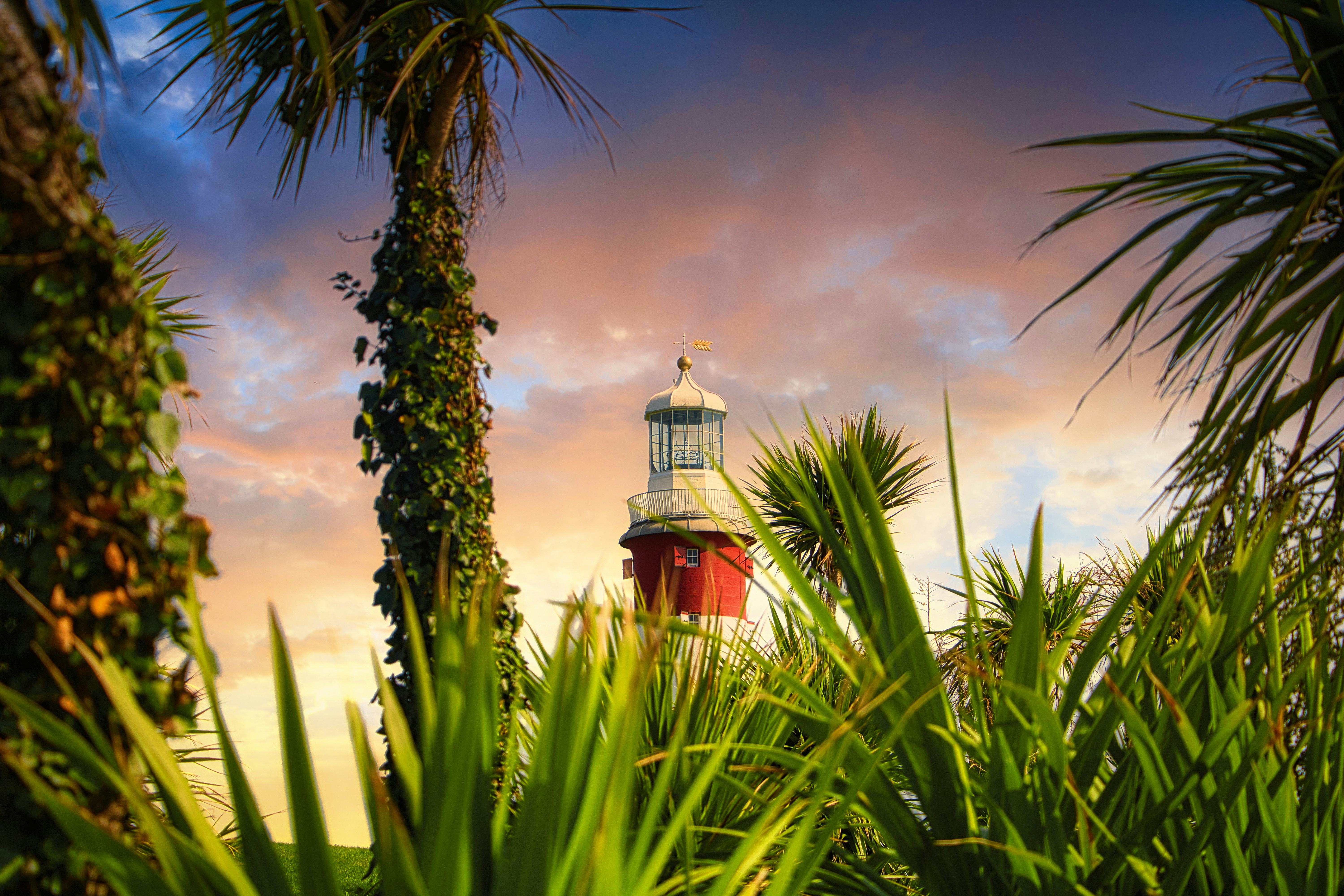
Today, families fly kites on the same grassy slopes where Drake supposedly played. Smeaton's Tower, the red-and-white striped lighthouse relocated here from the Eddystone Reef, stands as a beloved landmark. From its gallery, views extend across the Sound to the breakwater—a massive Victorian engineering project completed in 1841 that provides crucial protection for the harbor.
The Barbican's Timeworn Streets
While much of the city center was rebuilt, the Barbican district survived the wartime bombing relatively intact. Its narrow cobbled streets and Tudor and Jacobean buildings transport visitors back to the age of exploration. The Elizabethan House, a restored sea captain's home, offers a glimpse into domestic life during Drake's era, with its low-beamed ceilings and cramped quarters a stark contrast to modern standards of comfort.
Around the old harbor, converted warehouses now house galleries, shops, and restaurants. The fresh catch of the day can still be purchased directly from fishing boats tied up at the quayside, just as it has been for centuries. In the early morning, when mist hangs over the water and gulls wheel overhead crying their plaintive calls, the scene differs little from what a Tudor sailor might have witnessed.
A University Town Looks Forward
The presence of the University of Plymouth has injected fresh energy into the city. Founded in 1992, the institution has grown to become one of the largest universities in the UK, with over 18,000 students contributing to a vibrant cultural scene. The Peninsula Arts gallery and Drake Circus shopping center exemplify the city's commitment to contemporary culture alongside its historic roots.
Marine research remains a particular strength, with the university's Marine Institute conducting groundbreaking work on ocean health and conservation. The connection between academic innovation and maritime heritage creates a dynamic environment where the lessons of the past inform solutions for the future.
Natural Beauty at the City's Edge
Beyond the urban center, the South West Coast Path offers some of Britain's most spectacular coastal walking. The section from the Hoe eastward to Wembury provides ever-changing views of dramatic cliffs, hidden coves, and wind-sculpted vegetation. On clear days, walkers can see across to the Rame Peninsula, where ancient woods tumble down to secluded beaches.
The nearby Dartmoor National Park, with its wild moorland and granite tors, can be reached in less than thirty minutes. This proximity to unspoiled countryside gives residents easy access to both maritime and moorland landscapes—a combination that has shaped the character of this corner of Devon for generations.
Local Flavors and Maritime Fare
The culinary scene draws heavily on the surrounding waters. Crab sandwiches made with freshly caught specimens, fish and chips wrapped in paper and eaten on the Hoe, and sophisticated seafood restaurants showcasing the day's catch all feature prominently. The Barbican's Fish Market, operating since medieval times, continues to supply restaurants and home cooks with the freshest local produce.
Traditional Devon cream teas, with their generous dollops of clotted cream and strawberry jam piled onto warm scones, can be enjoyed in cafes throughout the area. The proper order of assembly—jam or cream first—remains a topic of friendly debate between Devon and Cornwall, with local opinion firmly on the side of cream first.
A Spirit That Endures
As twilight falls over the Sound and lights begin to twinkle on the Cornish shore, the connection between past and present becomes almost tangible. The same waters that carried Drake's Golden Hind and the Mayflower continue to support naval vessels, fishing boats, and pleasure craft. History here isn't confined to museums—it flows through the harbor, rises with the tide, and whispers on the wind.
For those seeking a deeper understanding of Britain's maritime soul, this corner of Devon offers insights that can't be gained elsewhere. Every sunset over the breakwater, every ship entering the Sound, every footstep on the Barbican's ancient cobbles adds another layer to a story that has been unfolding for centuries and shows no sign of ending.
Visitors exploring Britain's coastal heritage might also find themselves drawn to other historic maritime centers, such as Portsmouth, where naval traditions continue to shape the character of yet another remarkable waterfront city.


 Home
Home Wishlist