
Saarbrücken: Where Borders Fade and Cultures Converge
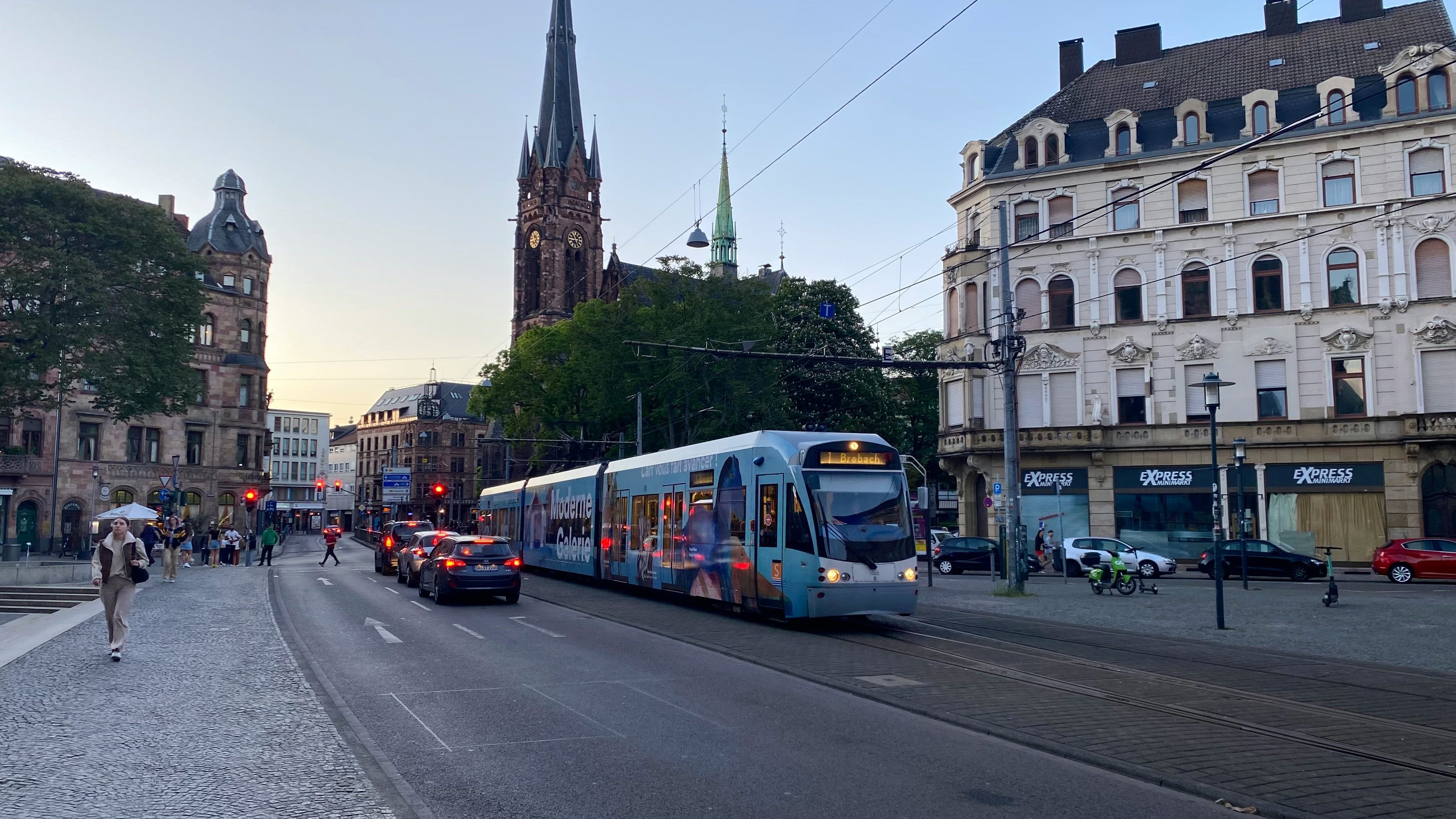
Between Two Worlds
The Saar River winds through a landscape marked by centuries of contested sovereignty. Along its banks, a city has been shaped by French sophistication and German precision in equal measure. This unique position at the frontier has left traces visible in every corner – from bilingual street signs to cuisine that defies easy categorization.
Throughout its tumultuous past, control has shifted multiple times. Following the devastation of the Second World War, administration was placed under French jurisdiction, with the Saar Protectorate lasting until 1957. This period of separation left an indelible mark on local culture, reinforcing connections to France that persist decades after reunification with Germany. The legacy can be observed in daily life, where French phrases pepper conversations and culinary traditions draw from both sides of the border.
Things to do in Saarbrucken
Architectural Echoes
Destruction wrought by wartime bombing necessitated extensive reconstruction. Rather than attempting to recreate what had been lost, modernist principles were embraced. The Ludwigskirche, originally completed in 1775, stands as one of the few baroque structures to have survived the bombardments. Its twin towers and elegant proportions were conceived by Friedrich Joachim Stengel, the architect whose vision shaped much of the city's original character.
St. Johanner Markt serves as the contemporary heart of urban life. This pedestrianized square was reimagined during postwar rebuilding, though hints of its medieval origins can still be detected in the irregular layout. Cafes spill onto cobblestones, their umbrellas providing shade for patrons who linger over coffee and conversation. The fountain at the square's center has become a popular meeting point, particularly during warmer months when the surrounding restaurants set out additional seating.
Perhaps the most striking example of modern architectural ambition can be found in the Saarländisches Staatstheater. This brutalist structure, completed in 1938, represents the era's aesthetic ideals with its clean lines and imposing presence. Love it or find it challenging, the building commands attention and has become integral to the city's cultural identity.
Industrial Heritage Reimagined
Coal and steel once formed the backbone of the regional economy. The Völklinger Hütte, a massive ironworks complex just outside the city center, operated from 1873 until 1986. Rather than being demolished, this industrial cathedral was preserved and granted UNESCO World Heritage status. Today, visitors can wander through blast furnaces and coking plants, experiencing firsthand the conditions under which workers labored for generations.
The transformation of industrial sites into cultural venues reflects broader economic shifts. Where smokestacks once dominated the skyline, technology companies and research institutes now flourish. This transition hasn't erased working-class roots; instead, memory has been carefully maintained through museums and converted spaces that honor the region's industrial past while embracing post-industrial possibilities.
A Culinary Hybrid
Food culture here defies simple classification. German heartiness meets French refinement in dishes that satisfy both appetite and aesthetic sensibility. Dibbelabbes, a traditional potato casserole, might be served alongside perfectly aged Munster cheese from across the border. Local butchers prepare Lyoner sausage, named after the French city though adapted to regional tastes.
Markets overflow with produce reflecting agricultural traditions from both sides. Riesling wines from the Moselle Valley sit beside selections from Alsatian vineyards. Bakeries offer both crusty baguettes and dense German breads, with locals showing no preference for one over the other – both get purchased with equal enthusiasm.
In restaurants throughout the city center, menus showcase this dual heritage proudly. A meal might begin with flammkuchen, the thin-crusted tart known in French as tarte flambée, followed by schwenker – pork steaks grilled on a hanging grill, a technique particular to this region. Dessert could involve zwetschgenkuchen, plum cake that tastes equally at home with coffee or as part of a more formal French-style service.
Student Energy and Academic Tradition
Youth infuses vitality into what might otherwise feel like a city dwelling too much on historical complications. Saarland University, founded in 1948 under French administration, was conceived as a European university from its inception. Multiple languages were required for completion of degrees, reflecting the institution's international aspirations.
This academic presence brings diversity to a relatively small city. International students contribute perspectives from across the globe, while local students often maintain strong connections to France, with many completing portions of their education across the border. This mobility has been facilitated by European integration, making the frontier increasingly theoretical rather than practical.
Bars and clubs cater to student populations with energy matching any larger German city. The Nauwieser Viertel, a district known for alternative culture, hosts venues where experimental music gets performed, and independent galleries showcase emerging artists. This creative scene punches above its weight, sustained by affordable rents and an appetite for cultural production that transcends the city's modest size.
Green Spaces and Natural Retreats
Despite industrial heritage, significant green space has been preserved and developed. The Deutsch-Französischer Garten (Franco-German Garden) was created as a symbol of reconciliation, opening in 1960. This expansive park features playgrounds, rose gardens, and a cable car offering aerial views. During summer, families gather for picnics, and the small lake becomes popular with paddleboaters.
Beyond the immediate urban area, forested hills provide hiking opportunities. The Saar-Hunsrück nature park encompasses dramatic landscapes where rivers have carved through ancient rock formations. Day trips reveal abandoned castles, hidden valleys, and viewpoints overlooking the river's serpentine course. These natural areas offer perspective, reminding visitors that borders drawn by humans mean little to the forests and waters that have shaped this terrain over millennia.
Living Between Languages
Bilingualism here goes beyond mere tourist accommodation. French television was watched in households for decades, creating genuine fluency among older generations. Younger residents may have less natural command of both languages, yet code-switching remains common. A conversation might begin in German and drift into French mid-sentence, with no one remarking on the transition.
This linguistic flexibility extends to education, where French instruction begins early and continues throughout schooling. The proximity to France makes language learning practical rather than abstract – students can apply their French during weekend shopping trips to Metz or Strasbourg. This creates a population comfortable navigating multiple linguistic worlds, an increasingly valuable skill in globalized contexts.
Celebrating a Complex Identity
Regional identity gets expressed through traditions that acknowledge complicated history without being paralyzed by it. The Max Ophüls Film Festival, named after the filmmaker who left during the Nazi era, brings international cinema to local screens each January. This event celebrates artistic expression while implicitly honoring those who were forced to flee.
Music festivals throughout summer months showcase everything from classical performances in historic churches to electronic music in repurposed industrial spaces. These events draw attendees from both Germany and France, the crowd reflecting the region's hybrid character. Language barriers disappear in shared appreciation for artistic creation, reinforcing connections that transcend national boundaries.
Soccer fandom provides another lens for understanding local identity. 1. FC Saarbrücken may not compete at the highest levels, but support remains passionate. The team's colors – blue and black – get worn proudly, and match days bring the community together in ways that bridge generational and cultural divides.
As evening settles over the city and lights reflect off the Saar's dark waters, the day's activity gradually subsides. Couples walk along riverside paths, their conversations a mix of languages and laughter. Somewhere nearby, students debate philosophy over beer, their ideas as hybrid as the space they inhabit. This city may lack the grandeur of Munich or the maritime history of northern ports, but it offers something perhaps more valuable – a lived example of how borders can become bridges, and how identity can be constructed from multiple, sometimes contradictory, elements without losing coherence.




 Home
Home Wishlist