
Salerno: Where the Coast Meets Centuries of Stories
A Gateway Through Time
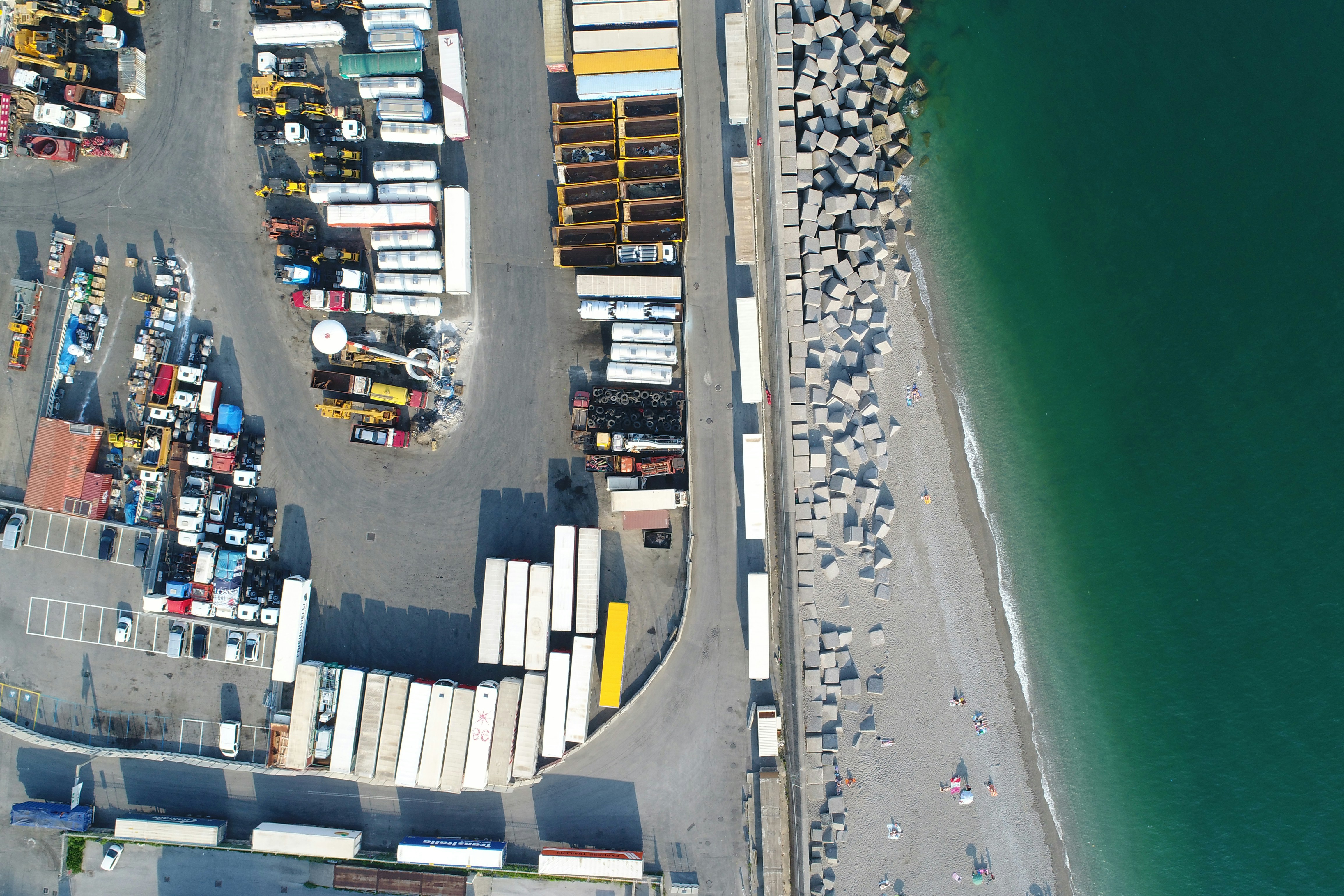
The long seafront promenade gets walked daily by locals and visitors alike, offering uninterrupted views where the mountains meet the water. This lungomare has been shaped and reshaped over millennia, from its origins as a Roman port to its current incarnation as a modern waterfront. The gentle curve of the Gulf creates a natural harbor that was recognized for its strategic importance as far back as the 6th century BC, when Etruscan traders first established settlements along these shores.
By the time Roman influence had spread across the peninsula, this coastal settlement had been transformed into a thriving port town. Ancient roads connected it to inland territories, while maritime routes linked it to distant shores. Evidence of this Roman past can still be discovered throughout the historic center, where fragments of aqueducts and remnants of walls whisper stories of daily life two thousand years ago.
Things to do in Salerno
The Golden Age of Knowledge
The medieval period brought unexpected prominence to this coastal city. During the 9th and 10th centuries, power had been consolidated under the Lombard princes, who transformed what had been a modest port into a formidable maritime republic. Trade networks were established across the Mediterranean, bringing wealth and cultural exchange in equal measure.
But perhaps the most remarkable legacy from this era lies not in commerce but in medicine. The Schola Medica Salernitana, founded during the early Middle Ages, became recognized as the first medical school in Western Europe. Knowledge was gathered from Greek, Arabic, Latin, and Jewish sources, creating a unique synthesis of healing traditions. Women were admitted both as students and teachers—a revolutionary practice for the time. The school's fame spread far and wide, attracting students from across Europe who sought to learn from masters whose reputation preceded them.
In the monastery of San Benedetto, texts were copied and preserved by monks whose dedication ensured that ancient wisdom survived the turbulent medieval centuries. The beautiful cloister still stands today, its arches framing a garden where medicinal herbs once were cultivated for study and use.
An Architectural Tapestry
The Duomo, dedicated to Saint Matthew, dominates the historic center with its distinctive bell tower and Arab-Norman architecture. Construction was begun in the 11th century under Robert Guiscard, the Norman conqueror who recognized the symbolic importance of creating a magnificent cathedral. The atrium, accessed through bronze doors cast in Constantinople, leads into an interior where Byzantine mosaics gleam alongside baroque additions—layers of history visible in a single glance.
Below the main altar, the crypt holds what believers venerate as the relics of the apostle Matthew. This sacred space, with its marble columns and elaborate frescoes, draws pilgrims who have traveled from distant lands to pay their respects. The interplay of light and shadow creates an atmosphere where centuries seem to collapse into a single, timeless moment.
Throughout the old quarter, narrow streets wind upward from the seafront, revealing palaces built by merchants who had grown wealthy from maritime trade. Carved doorways and hidden courtyards offer surprises to those willing to wander without fixed destination. The Via dei Mercanti, once the main commercial artery, still retains shops tucked into medieval archways where artisans practice crafts passed down through generations.
The Garden of Minerva
On a terraced hillside overlooking the gulf, an extraordinary botanical garden represents a living link to the city's medical heritage. The Giardino della Minerva was created in the 14th century as a teaching garden for the medical school, making it one of Europe's oldest botanical gardens. Medicinal plants were cultivated in carefully organized beds, allowing students to study their properties directly.
Today, the garden has been restored and opened to visitors who climb its stone staircases past fountains and terraces where aromatic herbs release their scents into the warm air. Views across the rooftops toward the sea provide context for understanding why this location was chosen—close enough to the school for practical teaching, yet elevated enough to create microclimates suitable for diverse plants.
A Living Canvas
In the post-war period, new neighborhoods were constructed eastward along the coast, their modern architecture contrasting sharply with the medieval core. Yet even these developments were influenced by the landscape, with buildings positioned to maximize sea views and catch cooling breezes. The city had been badly damaged during World War II bombardments, and reconstruction efforts brought both challenges and opportunities for reimagining urban spaces.
Contemporary art installations have been introduced throughout public spaces, creating dialogue between ancient stones and modern creativity. Murals brighten previously overlooked corners, while sculpture gardens invite contemplation. This commitment to culture continues a tradition that stretches back centuries, when poets and artists sought inspiration along these shores.
Flavors of the Coast
The local cuisine draws from both sea and mountains, with recipes handed down through families who have called this region home for generations. At morning markets, vendors display catches brought in by fishing boats before dawn—anchovies, squid, and the prized scorfano used in traditional fish soups. Nearby, vegetable stalls overflow with produce from the fertile plains inland: San Marzano tomatoes, buffalo mozzarella from Paestum, and the distinctive sfusato amalfitano lemons whose perfume fills the air.
In family-run trattorias, dishes get prepared according to seasonal rhythms. Spring brings tender artichokes prepared alla salernitana, while summer means pasta with fresh seafood and herbs. Autumn introduces heartier fare—wild mushrooms from the mountains, robust ragùs that simmer for hours. The scialatielli, a thick fresh pasta particular to this coast, gets served with various sauces that showcase local ingredients.
Pastries reflect centuries of cultural exchange. The delicate sfogliatelle, with their many crispy layers concealing a ricotta and citrus filling, were perfected in monastery kitchens. These sweet creations get enjoyed with espresso at cafes where conversations flow as freely as the coffee.
The Rhythm of Daily Life
Evenings bring a particular magic to the waterfront. As the sun begins its descent toward the horizon, the passeggiata commences—that quintessentially Italian ritual of strolling. Families, couples, and friends walk along the lungomare, pausing to greet acquaintances or simply to admire the changing colors of sky and sea. The castle of Arechi, perched high on the mountain overlooking the city, gets illuminated as darkness falls, its lights visible from nearly every vantage point.
In the historic center, piazzas fill with people gathering at outdoor tables. The sound of laughter mingles with the clink of glasses and animated conversations in dialect. Street musicians add their melodies to the evening symphony, while gelato shops do brisk business with customers debating between traditional flavors and inventive new combinations.
Gateway to Wonders
The city's position makes it an ideal starting point for exploring one of Italy's most stunning coastlines. To the west, the dramatic cliffs and picturesque villages of the Amalfi Coast cling to mountainsides that plunge toward the sea. To the south, the ancient Greek temples of Paestum stand in remarkable preservation, their honey-colored columns set against green fields. The Cilento region beyond offers rugged beauty and traditional villages where old ways of life persist.
Yet many travelers rush through, treating this gateway city as merely a jumping-off point rather than a destination worthy of attention in its own right. Those who pause to look more closely discover layers of history, pockets of unexpected beauty, and the warm hospitality of people proud of their heritage yet engaged with contemporary life. Much like travelers exploring Bologna find rewards in taking time to understand a city beyond first impressions, so too does this Campanian port reveal its treasures gradually to those who invest the time to truly see it.


 Home
Home Wishlist