
Sóller: A Valley Carved by Time and Tradition
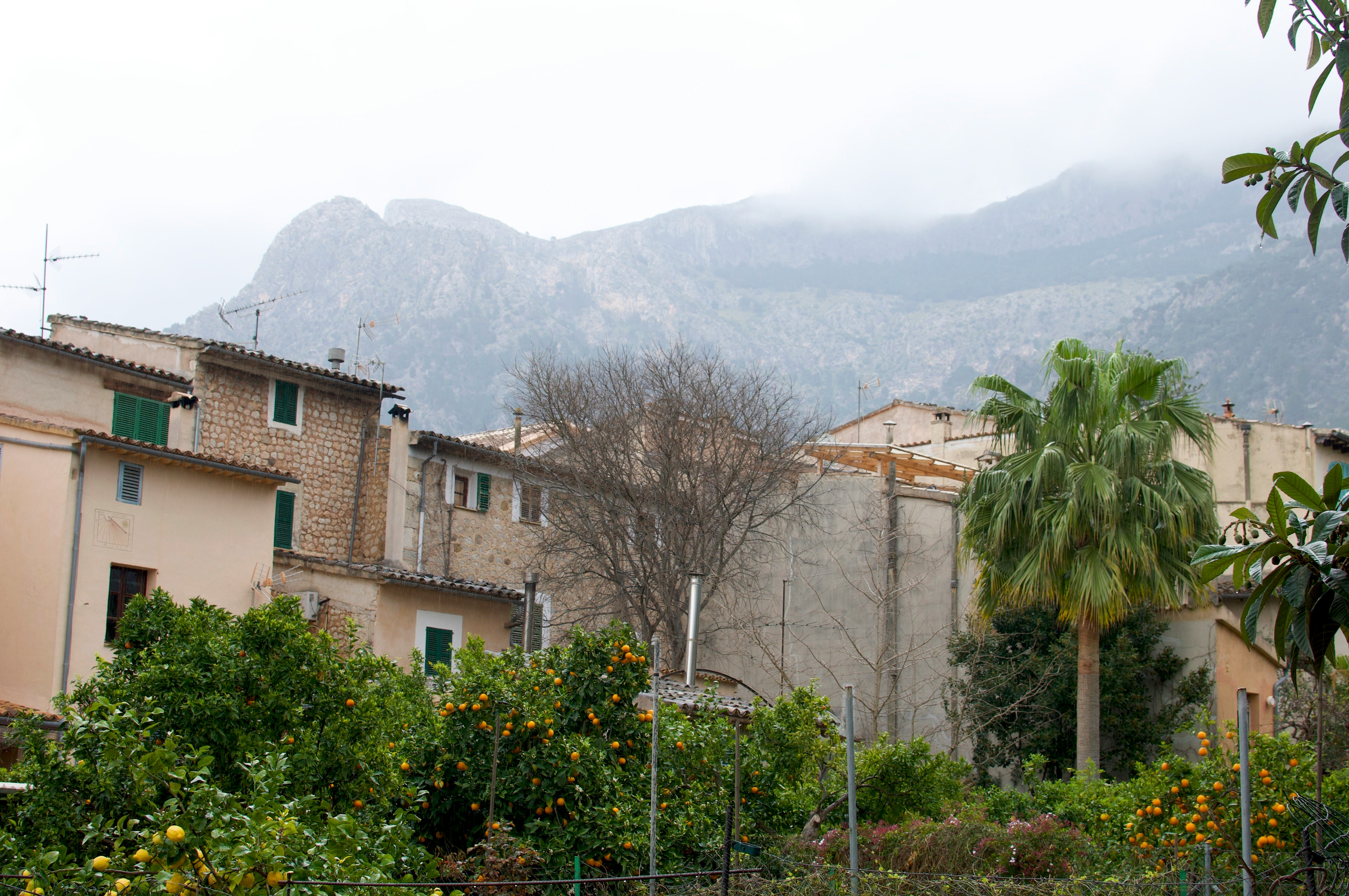
The Journey In
The approach itself serves as an introduction to the valley's dramatic beauty. From Palma, the road winds upward through the Serra de Tramuntana, a UNESCO World Heritage mountain range that forms the backbone of northwestern Mallorca. Hairpin turns get navigated with care as the Mediterranean drops away below, its blue expanse stretching to the horizon. Then, at the summit, the Coll de Sóller reveals itself – a mountain pass where cyclists pause to catch their breath and photographers wait for the perfect light.
The descent into the valley gets punctuated by stone walls that have stood for centuries, terraced groves climbing impossibly steep hillsides. These dry-stone constructions, built without mortar by skilled hands, speak to the determination of those who have worked this land for generations. Every wall tells a story of perseverance, of families who refused to let the mountains dictate what could or couldn't be grown.
Things to do in Soller
Rails Through Time
At the heart of the valley, the town itself unfolds around the Plaça Constitució, a square shaded by plane trees and lined with cafes where conversations get conducted in Mallorquí, the local dialect of Catalan. But what truly sets this place apart gets announced by the distinctive clang of a bell – the historic tram that has connected the town to its port since 1913.
This narrow-gauge railway, with its wooden carriages and brass fittings polished by a century of hands, wasn't built merely for charm. When it was inaugurated, the line served as a vital artery for commerce, carrying the valley's famous oranges to waiting ships. Today, passengers get transported not just through space but through time, the journey offering views of gardens and groves that seem barely touched by the modern world.
The Architecture of Prosperity
Walking through the old town, the wealth generated by citrus exports becomes evident in the architecture. Modernista buildings – Mallorca's interpretation of Art Nouveau – line the streets, their facades decorated with wrought iron balconies and colorful ceramic tiles. These mansions were built by merchants and exporters during the town's golden age in the late 19th and early 20th centuries, when its oranges were prized across Europe.
The parish church of Sant Bartomeu dominates the square, its neo-Gothic facade designed by Joan Rubió, a disciple of Antoni Gaudí. The building's honey-colored stone glows in the afternoon sun, and inside, light filters through stained glass windows, casting patterns across the floor. On market days, the square outside gets filled with stalls selling local produce – tomatoes still warm from the vine, strings of sobrassada sausage, rounds of Mahón cheese from the neighboring island of Menorca.
Valley of Gold
The true heart of the valley beats in its agricultural traditions. Orange and lemon groves carpet the valley floor and climb the surrounding hillsides in neat terraces. In spring, when the trees bloom, the valley gets enveloped in a fragrance so intense it seems almost visible, a white mist of blossoms that has earned this cultivation the name "white gold."
These aren't just any citrus fruits. The valley's unique microclimate – protected by mountains, blessed with abundant spring water, and kissed by Mediterranean sun – produces oranges of exceptional sweetness and lemons with a perfect balance of acidity. Small family farms, many passed down through generations, still tend these groves using traditional methods. During harvest season, wooden crates get stacked by the roadside, waiting for collection, just as they have been for over a century.
The Port's Maritime Soul
Four kilometers from the town center, down the winding tram line, Port de Sóller curves around a natural harbor like a protective embrace. This horseshoe bay, ringed by the Tramuntana mountains, has sheltered vessels since ancient times. The waterfront gets lined with seafood restaurants where the day's catch gets displayed on beds of ice – red prawns from the depths, silvery sardines, and the prized gamba roja.
The port retains a working character that many Mediterranean harbors have lost to pure tourism. Fishing boats still depart before dawn, their nets hauled by weathered hands that know every reef and current. The morning fish market buzzes with activity as restaurant owners and locals alike compete for the finest specimens. By midday, the catch has been sold, and the boats get prepared for the next voyage.
Trails and Traditions
Beyond the cultivated valley, the wild Tramuntana beckons. Ancient footpaths – some dating to Moorish times or earlier – thread through the mountains, connecting remote farmhouses and abandoned charcoal burners' huts. The GR 221, known as the Dry Stone Route, passes through the valley, offering hikers spectacular views and a connection to the landscape that cars simply cannot provide.
These trails get walked not just by tourists but by locals maintaining a tradition of mountain walking that goes back generations. On weekends, families set out with bocadillos wrapped in paper and bottles of local wine, heading to favorite spots where the view opens up and the world seems reduced to its essentials: stone, sea, and sky.
Cultural Threads
The valley's cultural life gets woven into daily routines. The weekly market transforms the town center into a riot of color and commerce. Local artists have been drawn to this light and landscape for decades, their galleries tucked into converted townhouses. The Museu de Sóller, housed in a modernista mansion, preserves the region's history through photographs, farming implements, and paintings that capture the valley before mass tourism arrived.
Music fills the streets during festivals throughout the year. The Moors and Christians festival, celebrated with costumes and mock battles, recalls centuries of Mediterranean history. During Sant Bartomeu in August, the entire town turns out for celebrations that last days, with traditional dances performed in the square and fireworks echoing off the mountain walls.
The Taste of Place
In the valley's kitchens and restaurants, cooking gets approached as an act of cultural preservation. Traditional dishes like tumbet – layers of fried vegetables with tomato sauce – and arròs brut, a rustic rice dish flavored with mountain herbs and local meat, appear on menus alongside more contemporary creations. The famous Sóller prawns, caught in the deep waters off the coast, get prepared simply – grilled with just a touch of olive oil and sea salt to let their sweet flavor shine.
Bakeries turn out ensaïmadas, the spiral pastries that have become synonymous with Mallorcan breakfast. The local ice cream, made with oranges and lemons from the valley's groves, gets savored in the square on warm evenings. And in season, the sweet Sóller orange juice, freshly squeezed, tastes like sunshine concentrated in a glass.
The Rhythm of Seasons
Life in the valley gets measured not just by the calendar but by natural cycles. Spring brings the citrus blossom and an influx of visitors seeking to experience the valley at its most fragrant. Summer sees the port come alive with swimmers and sailors, the beaches crowded but never overwhelming. Autumn harvest brings a different energy – the focused work of bringing in the fruit, the satisfaction of another year's crop secured.
Winter, often overlooked by visitors, reveals the valley at its most authentic. The mountains get dusted with snow, visible from the valley floor. The tram runs with fewer passengers but more locals. Cafes fill with residents lingering over coffee, discussing weather and politics in equal measure. This quieter season allows the place to breathe, to remember itself before the cycle begins again.
For those seeking beauty that has been earned rather than manufactured, this Mallorcan valley offers something increasingly rare – a place where tradition hasn't been performed for tourists but lived by residents, where the landscape has been shaped by centuries of careful stewardship rather than rapid development. The vintage tram still rattles down to the sea, the orange groves still bloom each spring, and the mountains still stand guard over a community that has learned how to welcome the world without losing itself. Like other distinctive corners of Europe, from coastal Flensburg in the north to Mediterranean ports in the south, certain places manage to preserve their essential character while adapting to changing times – a balance this valley has mastered through patience, pride, and respect for what came before.


 Home
Home Wishlist