
Wiesbaden: Where Thermal Waters Meet Timeless Elegance
Waters That Built a City
The thermal springs were discovered by the Romans nearly two thousand years ago. Twenty-six hot springs were documented within the city limits, their mineral-rich waters flowing at temperatures reaching 66 degrees Celsius. These natural fountains were not merely appreciated for their warmth – they were revered for their healing properties, giving the settlement its Roman name: Aquae Mattiacorum.
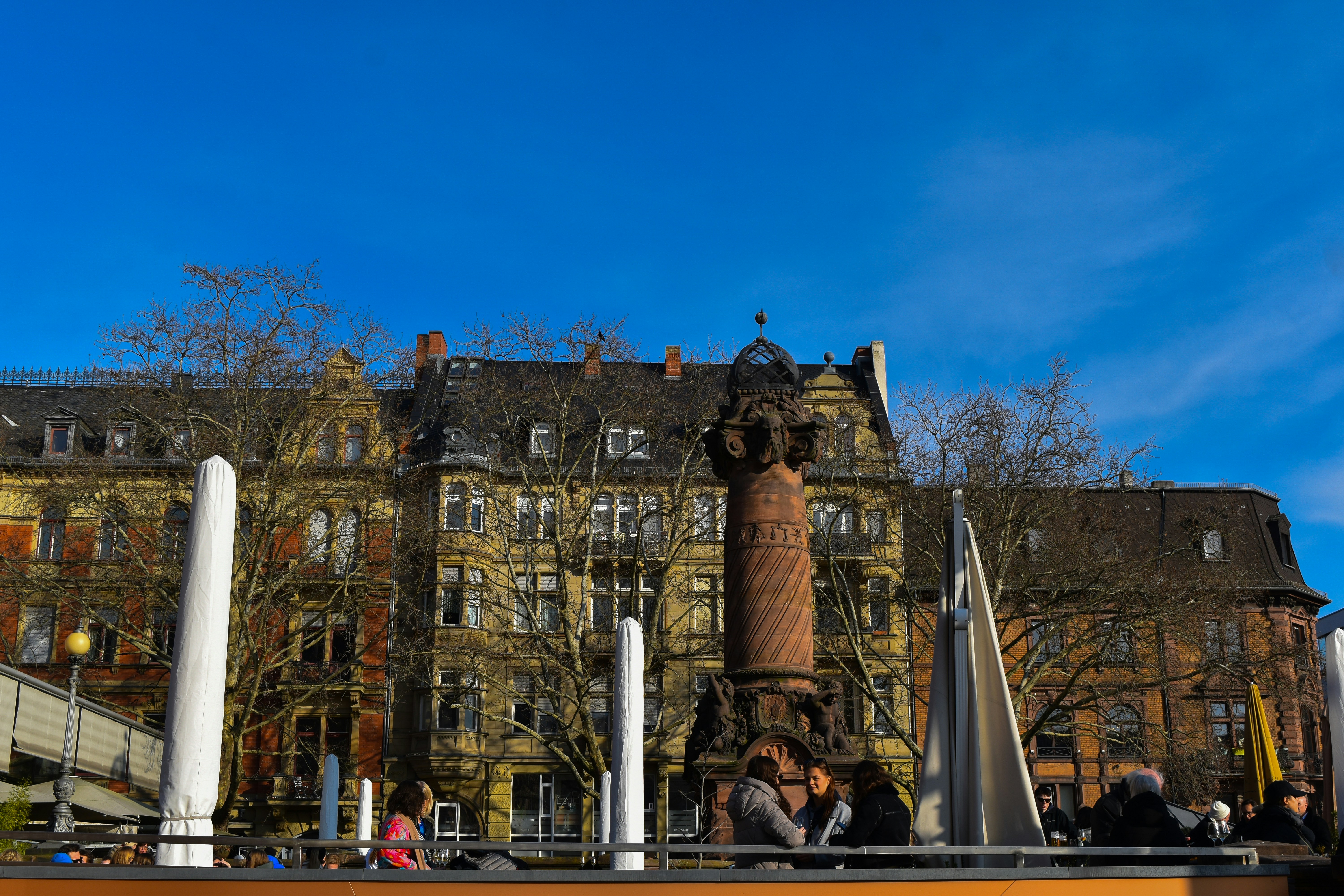
The Kochbrunnen fountain, located in the heart of the spa district, has been drawing visitors for centuries. Its waters, laden with sodium chloride and other minerals, flow at a rate of 350,000 liters daily. The fountain itself was redesigned in the 19th century, its colonnade becoming an architectural statement that matched the grandeur being constructed throughout the expanding spa town.
Things to do in Wiesbaden
An Architectural Testament
The Kurhaus stands as perhaps the most striking example of the city's golden age. Completed in 1907, this neoclassical masterpiece was designed by Friedrich von Thiersch. Its white columns and elegant proportions create a sense of monumentality tempered by grace. The building's function as a social center was cemented when the casino opened within its walls, attracting European nobility and wealthy visitors from across the continent.
Behind the Kurhaus, the Kurpark stretches across 75 acres of meticulously maintained landscapes. English garden design principles were applied here, creating winding paths that reveal new vistas at every turn. Ancient trees provide shade for afternoon wanderers, while carefully planned flower beds ensure color throughout the seasons. The park was conceived not merely as decoration but as an essential component of the therapeutic experience offered to spa guests.
The Russian Connection
The Russian Orthodox Church, with its five golden onion domes, adds an unexpected element to the skyline. Built between 1847 and 1855, this architectural gem was commissioned by Duke Adolf of Nassau for his wife, Grand Duchess Elizabeth Mikhailovna of Russia. The church was designed by Philipp Hoffmann, and its interior features icons and decorative elements that were brought from Russia, maintaining authentic Orthodox traditions.
This Russian influence extended beyond a single building. Throughout the 19th century, Russian aristocracy made the city a preferred destination, particularly during summer months. Their presence shaped the cultural landscape, introducing Eastern European customs and tastes to this German spa town. The annual Russian Orthodox services still held here draw congregants from across the region.
A Market Hall of Distinction
The Marktkirche, completed in 1862, towers over the Schlossplatz with its distinctive red brick construction. This neo-Gothic Protestant church was built by Carl Boos and stands 92 meters tall, making it the tallest building in the city. Its five naves create an imposing interior space where light filters through tall windows, creating an atmosphere of contemplative grandeur.
Adjacent to the church, the weekly market has been held for generations. Local producers bring vegetables, cheeses, and baked goods to sell beneath the shadow of the Marktkirche. This tradition connects modern residents to centuries of commercial activity that occurred in this same plaza, where merchants once traded goods brought from distant regions.
Cultural Institutions
The Hessisches Staatstheater operates in a building whose history reflects the tumultuous 20th century. The original structure, opened in 1894, was destroyed during World War II. Its reconstruction in the 1970s honored the original design while incorporating modern theatrical requirements. Today, opera, ballet, and dramatic performances draw audiences throughout the year, maintaining the city's reputation as a cultural destination.
The Museum Wiesbaden houses collections spanning natural history and art. Its fine arts collection includes works by Alexej von Jawlensky, who spent his final years in the city. The museum's natural history wing displays an impressive collection of minerals and fossils, connecting visitors to the geological forces that created the thermal springs fundamental to the city's identity.
Villa Quarter Elegance
The Rheingauviertel and Dichterviertel neighborhoods showcase residential architecture from the late 19th and early 20th centuries. These villa quarters were developed to house the wealthy families attracted by the spa culture. Walking through these tree-lined streets reveals architectural styles ranging from Historicism to Jugendstil, each building reflecting the taste and ambitions of its original owners.
Many of these villas have been converted into embassy buildings, medical practices, or upscale residences, but their facades remain carefully preserved. Building codes ensure that renovations respect the original architectural character, maintaining the aesthetic harmony that defines these neighborhoods.
Neroberg Heights
The Neroberg, rising to 245 meters, offers panoramic views across the Rhine valley. Since 1888, the Nerobergbahn funicular railway has carried visitors to the summit, its water-ballast system representing Victorian engineering ingenuity still in daily operation. At the top, the Opelbad swimming pool complex, built in the 1930s, provides a spot where locals gather during summer months.
The Russian Church mentioned earlier sits on the Neroberg's slopes, its position chosen to make it visible from across the city. This placement was deliberate, ensuring that the Russian community's presence would be acknowledged in the city's visual landscape. The climb to the church through wooded paths offers moments of tranquility away from the urban center below.
Culinary Traditions
The Rheingau wine region begins at the city's doorstep. Local restaurants feature Rieslings produced in nearby vineyards, their mineral notes echoing the thermal waters that flow beneath the streets. Traditional dishes like Handkäs mit Musik – a marinated cheese served with onions and caraway – appear on menus alongside more refined cuisine influenced by the city's cosmopolitan heritage.
The Wochenmarkt offers seasonal produce from regional farms. Asparagus in spring, strawberries in early summer, and apples in autumn follow the rhythms of the agricultural calendar. These ingredients form the foundation of home cooking and restaurant fare alike, connecting the urban population to the surrounding countryside.
Modern Identity
Today, the city serves as the state capital of Hesse, its political importance complementing its historical role as a spa destination. Government buildings were constructed in the post-war period, their modernist designs contrasting with the Belle Époque architecture that defines the city center. This architectural diversity tells the story of a city that has evolved while maintaining its essential character.
The thermal baths continue to operate, though modern wellness facilities have expanded beyond the traditional cure-house model. The Kaiser-Friedrich-Therme, opened in 1913, still offers visitors the opportunity to experience the mineral waters in an authentic historical setting. Its Roman-Irish bathing ritual follows procedures established over a century ago, providing continuity with the past.
As the day winds down and lights begin to illuminate the Kurhaus facade, the relationship between natural resources and human ambition becomes clear. The springs that drew the Romans continue to flow, their warmth unchanged by the passage of millennia. Around them, a city was built, rebuilt, and carefully maintained, each generation adding its contribution while respecting what came before. For those seeking to understand how German spa culture developed, destinations like Baden-Baden offer similar insights into this distinctive tradition of wellness and architectural splendor.


 Home
Home Wishlist