
Bournemouth: Where Victorian Elegance Meets Coastal Splendor
A Vision Brought to Life
The story of this coastal gem was written not by centuries of gradual development, but by deliberate vision. In the early 19th century, what would become a thriving seaside resort existed merely as heathland and cliff-top wilderness. The transformation was initiated by Lewis Tregonwell, a retired army officer who recognized the therapeutic potential of the sea air and the unspoiled coastline.
His modest villa, constructed in 1810, marked the beginning of something extraordinary. Within decades, the settlement had been discovered by wealthy Victorians seeking respite from industrial cities. Grand hotels were erected along the clifftops, their ornate facades designed to impress arriving visitors. Pine trees—thousands of them—were planted to stabilize the sandy soil and create sheltered walks. These conifers would become one of the town's defining characteristics, their scent mingling with salt air to create an atmosphere unlike any other English seaside destination.
Things to do in Bournemouth
The Seven Miles
The coastline stretches for seven magnificent miles, each section offering its own distinct character. At the town center, the pier extends into the English Channel like a Victorian finger pointing toward the horizon. Built in 1880, this iconic structure has been rebuilt and reimagined multiple times, yet it remains the heart of the seafront experience. The sound of arcade games and the smell of fish and chips drift on the breeze, mingling with more contemporary offerings—surf schools, waterside cafes, and adventure sports operators.
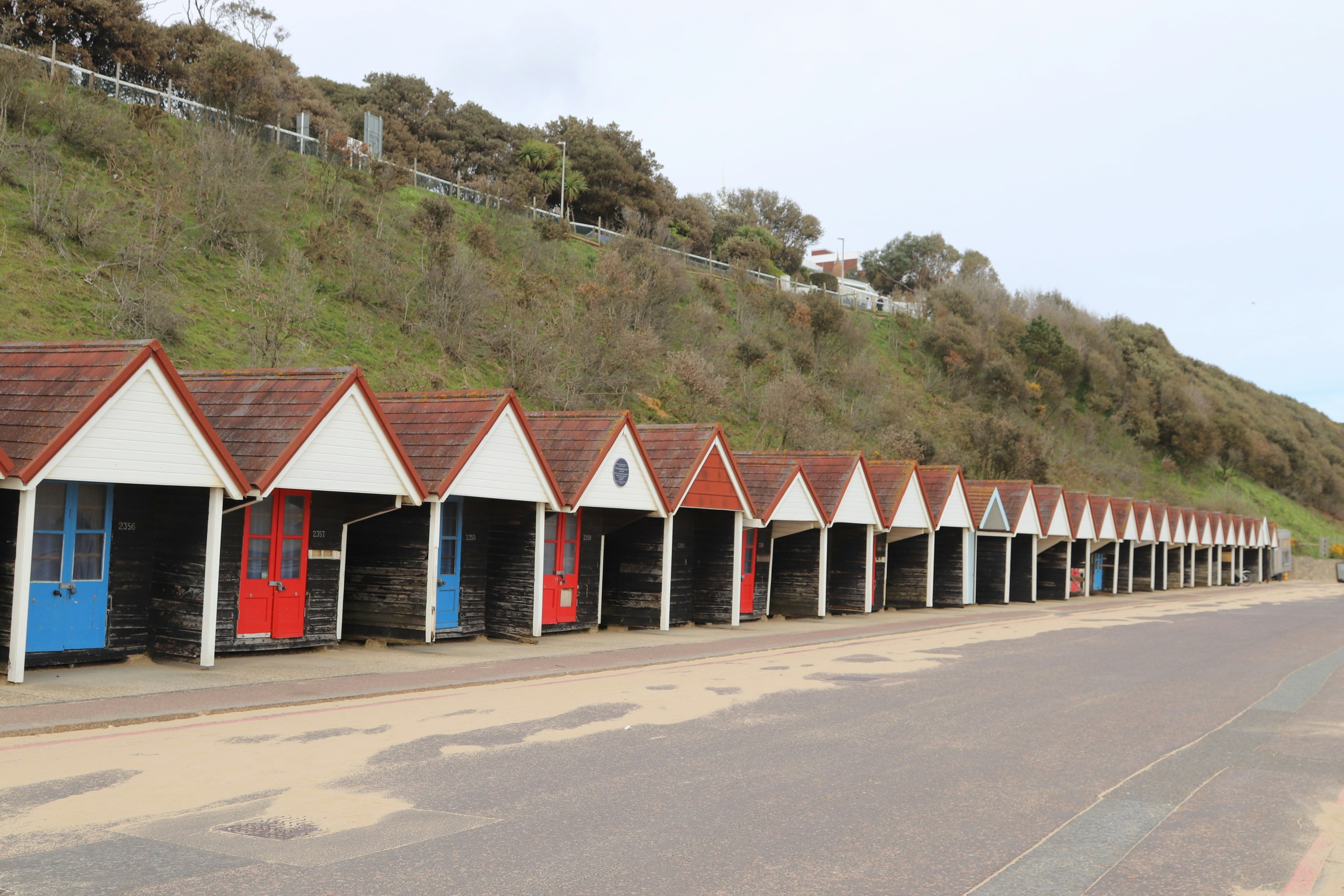
To the east, the beach becomes progressively quieter. Colorful beach huts stand in neat rows, each one a tiny slice of seaside tradition passed down through generations. These miniature structures, some dating back decades, have been lovingly maintained by families who return year after year to claim their small patch of paradise.
Westward, the cliffs rise more dramatically. The chines—steep-sided coastal ravines—cut through the sandstone, creating natural pathways down to hidden beaches. Alum Chine, Middle Chine, and Durley Chine were carefully landscaped in Victorian times, their tropical plants thriving in the mild microclimate. Today, these green corridors provide unexpected pockets of wilderness amid the urban environment.
Gardens and Green Spaces
Beyond the beach, the town's commitment to horticulture becomes immediately apparent. The Lower Gardens, Central Gardens, and Upper Gardens form a continuous ribbon of manicured lawns, flower beds, and specimen trees running through the heart of the town. These spaces were designed in the mid-19th century, intended to provide genteel promenading areas where Victorian society could see and be seen.
The tradition of horticultural excellence has been maintained with remarkable dedication. Award-winning floral displays bloom throughout the seasons—daffodils and tulips in spring, roses and lavender in summer, chrysanthemums blazing into autumn. Pine Walk, a tree-lined avenue connecting the gardens to the seafront, offers shade on hot summer days, its benches occupied by readers, sketchers, and those simply watching the world pass by.
Cultural Foundations
The Russell-Cotes Art Gallery & Museum stands as perhaps the most spectacular testament to Victorian ambition and taste. This clifftop mansion, completed in 1901, was designed as both a family home and a shrine to global travel. Sir Merton Russell-Cotes and his wife Annie filled their residence with treasures gathered from journeys across six continents—Japanese armor, Italian paintings, Islamic ceramics, and Scottish landscapes.
Upon their deaths, the house and collection were gifted to the town, becoming a museum that feels more like stepping into a time capsule. The rooms have been preserved with their original decorative schemes intact—elaborate plasterwork, stained glass, and period furnishings creating an immersive experience of Edwardian opulence. From the belvedere, panoramic views across the bay can be enjoyed, the same vistas that captivated the Russell-Cotes family over a century ago.
The Pavilion Theatre and Bournemouth International Centre provide stages for contemporary culture. Throughout the year, performances ranging from ballet to rock concerts, comedy shows to conference events fill their calendars. The town's musical heritage runs deep—the Bournemouth Symphony Orchestra, founded in 1893, holds the distinction of being one of Britain's oldest professional orchestras.
An Academic Hub
The transformation from retirement haven to vibrant university town has been one of the most significant developments in recent decades. Bournemouth University and Arts University Bournemouth have been embraced by the community, their students injecting youthful energy into what was once considered a sleepy resort.
The academic institutions have brought unexpected benefits—independent cafes, music venues, and creative businesses have flourished in response to student demand. The town's reputation for media and animation studies has attracted international attention, with graduates going on to work on major film productions and video game developments. This marriage of traditional seaside resort and contemporary creative industries has created a unique atmosphere—one where beach culture and digital innovation coexist comfortably.
Outdoor Pursuits
The natural environment invites activity. Surfing lessons take place year-round, with instructors guiding beginners through their first tentative attempts to stand on boards. The waves here may not match Cornwall's legendary breaks, but consistency and accessibility make the beach an ideal learning ground.
Stand-up paddleboarding has grown in popularity, offering a different perspective on the coastline. From the water, the full sweep of the bay can be appreciated—the Victorian architecture rising behind the beach, the Isle of Wight visible on clear days, chalk cliffs gleaming white in the distance.
Cycling paths trace the clifftops and thread through parks, part of a growing network designed to encourage car-free exploration. The Zig Zag path, built in Victorian times, still provides the most direct route between the town center and the beach, its switchback design carved into the cliff face remaining as practical today as when first constructed.
Culinary Evolution
The dining scene has been revolutionized in recent years. Traditional seaside fare—fish and chips eaten from paper, ice cream cones, and afternoon teas—can still be found and enjoyed. But these have been joined by restaurants reflecting more diverse tastes. Caribbean flavors, Vietnamese pho, authentic Italian pizza, and modern British cuisine utilizing local seafood and New Forest produce now compete for attention.
The WestBeach restaurant, positioned literally on the sand, pioneered the concept of fine dining with your toes in the beach. Mackerel landed that morning, Dorset crab, and locally foraged ingredients appear on menus where once only traditional British seaside food was served.
The Rhythm of Seasons
Each season brings its own character to the coastline. Summer sees the beaches packed, families claiming territories with windbreaks and coolers, the air filled with laughter and the thwack of beach cricket. The Air Festival, held annually in August, draws hundreds of thousands to watch aerial displays—historic aircraft, modern jets, and death-defying aerobatics performed against the backdrop of sea and sky.
Autumn brings softer light and quieter beaches. The sea takes on deeper blue tones, and the crowds thin to reveal locals reclaiming their coastline. Winter transforms the seafront into something almost melancholy—waves crash more forcefully, winds strip leaves from trees, yet determined dog walkers and hardy swimmers still brave the elements. The Christmas lights, strung along the promenade and through the gardens, provide sparkle against dark afternoons.
Spring arrives with particular sweetness—flowers blooming in carefully tended beds, cafes reopening after winter lulls, the first brave souls attempting to sunbathe despite temperatures that don't quite justify optimism.
As the last light fades across the bay and the pier illuminations flicker to life, the timeless appeal of this coastal destination becomes clear. Generations have been drawn to these shores, each finding something different yet equally valuable—healing sea air, summer adventures, creative inspiration, or simply a moment of peace watching waves roll endlessly toward the sand. The Victorian vision of a seaside paradise has been fulfilled and reimagined for contemporary times, proving that some places possess an enduring magic that transcends fashion and era. For those seeking a different pace along Britain's southern coast, destinations like Brighton offer their own unique coastal character worth discovering.




 Home
Home Wishlist