
Palma: Where Mediterranean Dreams Come Alive
Layers of History Written in Stone
The massive sandstone walls of La Seu cathedral have been watching over the bay since the 14th century. Construction was begun after the Christian reconquest, though the building wasn't completed until 1601. Its interior space was later reimagined by Antoni Gaudí in the early 20th century, his modernist touches adding unexpected light and color to the Gothic structure. The result feels less like a single architectural vision and more like a conversation across centuries – each generation leaving its mark while respecting what came before.
Beyond the cathedral, the old quarter spreads outward in a labyrinth of narrow streets and hidden courtyards. These lanes were walked by Romans, occupied by Moors, and later reclaimed by Aragonese conquerors. Each culture left traces that can still be read in the city's fabric – an arch here, a fountain there, street names that echo Arabic origins. The Almudaina Palace, originally built as an Islamic fort, was converted into a royal residence that continues to serve ceremonial functions today. History here isn't merely preserved; it's lived in, adapted, continuously reinterpreted.
Things to do in Palma
The Art of Daily Ritual
Morning light hits the Mercat de l'Olivar before most tourists have finished breakfast. Inside the 1950s market hall, stalls overflow with produce from the island's interior – tomatoes still warm from the sun, gnarled almonds, strings of sobrassada sausages hanging like crimson stalactites. Fishmongers arrange their catch with the precision of still-life painters: silver anchovies, ruby-red prawns, squid tentacles curled like question marks.
The market serves as a daily reminder of the island's agricultural and fishing heritage. Despite decades of tourism development, traditional food culture has been maintained with fierce pride. At neighborhood bakeries, ensaïmadas – spiral pastries dusted with powdered sugar – have been made using the same techniques for generations. In family-run restaurants tucked down side streets, recipes get passed down not through written instructions but through muscle memory and careful observation.
Where Sea Meets Stone
The Paseo Marítimo stretches for miles along the waterfront, connecting the old city to modern neighborhoods. Early mornings see joggers and cyclists claiming the path, while evenings bring couples out for sunset walks. The promenade was conceived as a grand urban project in the mid-20th century, transforming what had been a working port area into public space. On one side, the bay glitters; on the other, palm trees sway above outdoor cafes and ice cream stands.
The harbor itself tells multiple stories simultaneously. Historic fishing boats painted in traditional colors tie up alongside weekend sailors' vessels. The Club de Mar marina hosts sleek yachts from around the world, their crews speaking a dozen different languages. Ferry terminals connect the island to mainland Spain and other Balearic islands. This maritime character – simultaneously working port, leisure destination, and transport hub – gives the waterfront its particular energy.
Cultural Currents
The Es Baluard Museum of Modern and Contemporary Art occupies a 16th-century bastion that once defended the city from pirates. Inside these thick stone walls, works by Picasso, Miró, and contemporary Balearic artists create dialogue between past and present. The museum's terrace offers sweeping views across the bay, art and landscape merging in a way that feels quintessentially Mediterranean.
Music flows through the city with similar fluidity. The Auditorium has been drawing international performers since its opening in 1998, while smaller venues throughout the old quarter host everything from classical guitar to experimental jazz. Summer brings outdoor concerts to unexpected locations – monastery courtyards, medieval squares, the cathedral steps. The city's cultural calendar reflects its cosmopolitan character, shaped by centuries as a crossroads between cultures and continents.
Beyond the Postcard
Away from the cathedral and the waterfront promenade, neighborhoods reveal different facets of the city's personality. Santa Catalina, the former fishermen's quarter, has transformed into one of the city's most dynamic areas. Tapas bars and design shops occupy buildings where nets were once mended and fish were salted. Gentrification has brought inevitable changes, though local character persists in morning markets and neighborhood associations.
The Bellver Castle sits on a hilltop west of the center, its unique circular design visible for miles. Built in the 14th century, it served variously as royal residence, military prison, and mint before becoming a museum. From its ramparts, the entire bay spreads below – the city, the harbor, the mountains beyond. The view provides perspective, showing how the urban fabric fits within the larger island landscape.
Flavors and Traditions
Traditional Mallorcan cuisine relies heavily on what the island provides: seafood from surrounding waters, vegetables from the fertile interior, almonds and olives from ancient groves. Tumbet – layers of potato, eggplant, and peppers bound with tomato sauce – captures the essence of island cooking: simple ingredients, careful preparation, nothing wasted. Frito mallorquín transforms lamb or pork offal into something surprisingly delicate through slow cooking with potatoes and peppers.
Wine culture has experienced a remarkable renaissance in recent years. Native grape varieties, nearly lost to the phylloxera epidemic and subsequent focus on tourism, have been revived by a new generation of vintners. Small wineries in the island's interior produce wines that express the particular character of Mallorcan terroir – the limestone soil, the Mediterranean sun, the sea breezes that cool the vines at night.
The Contemporary Canvas
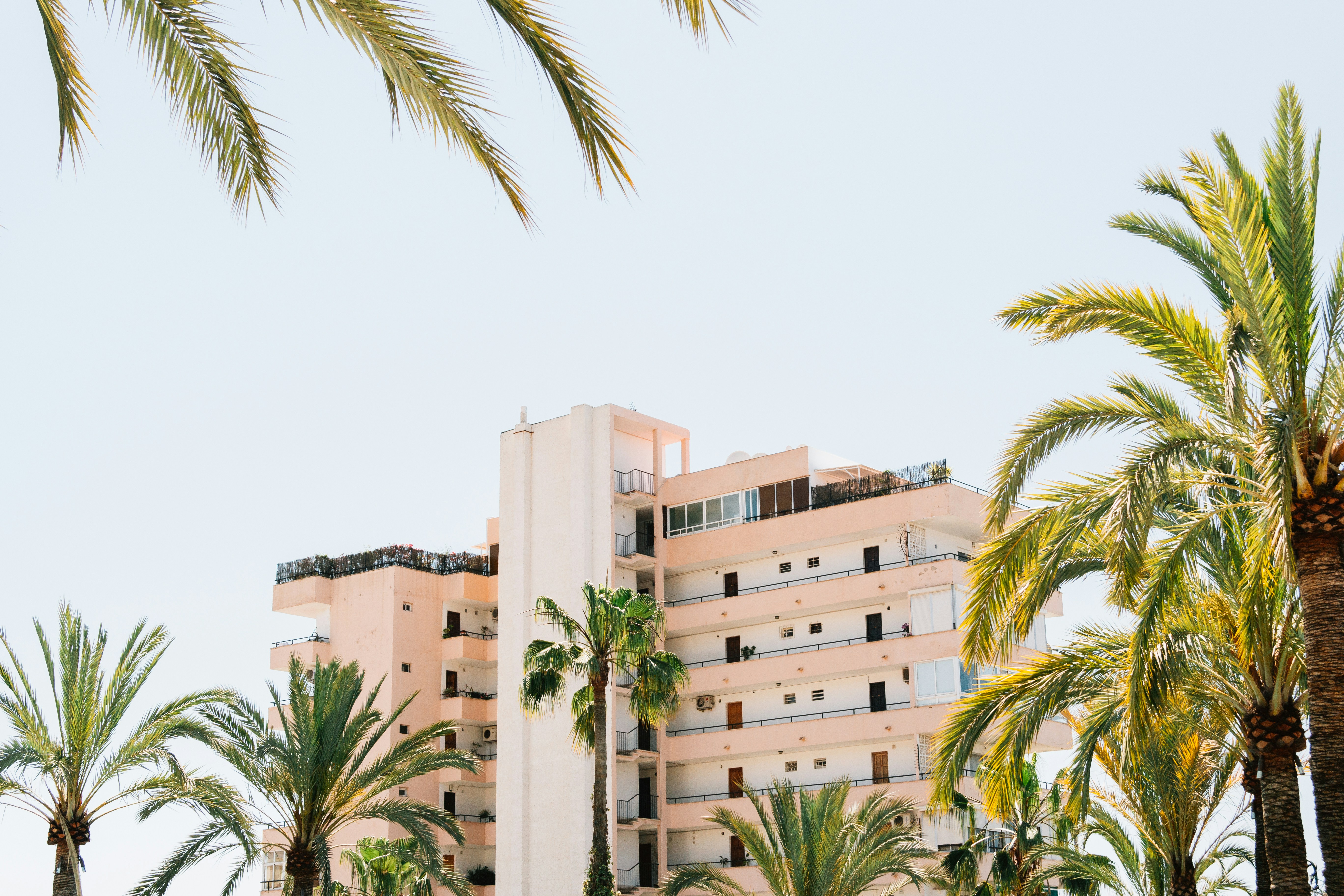
Modern architecture adds its voice to the city's ongoing conversation. The Palau de Congressos, designed by Francisco Mangado, brings contemporary lines to the waterfront. New residential developments push outward from the historic center, attempting to balance growth with preservation. Not all interventions succeed equally well, but the willingness to engage with contemporary design rather than simply replicating the past speaks to civic confidence.
The creative sector has flourished in recent years, with artists, designers, and digital entrepreneurs drawn by quality of life and international connectivity. Co-working spaces occupy renovated townhouses. Galleries showcase work by local and international artists. Fashion designers draw inspiration from traditional crafts, reinterpreting age-old techniques for contemporary markets. This creative energy feeds back into the broader community, contributing to a sense of dynamic possibility.
Rhythms and Seasons
Winter brings a quieter rhythm, when the city belongs more fully to residents. Cafes fill with locals lingering over coffee and newspapers. The market feels less frenetic. Temperatures remain mild enough for outdoor dining, though evenings might require a light jacket. This seasonal ebb and flow has shaped the city's character – a fundamental difference from places where tourism overwhelms local life year-round.
Summer transforms the waterfront into theater, the promenade crowded with families enjoying evening paseos. Beach clubs and rooftop bars pulse with music. Yet even in high season, the old quarter's tangled streets offer refuge, their thick stone walls keeping interiors cool. The city has learned to accommodate visitors without entirely surrendering its identity – a delicate balance that requires constant negotiation.
As evening settles over the bay, lights begin to twinkle along the waterfront. The cathedral, illuminated against the darkening sky, seems to float above its reflection in the water. In sidewalk restaurants, conversations flow in multiple languages over plates of grilled fish and chilled white wine. Somewhere in the old quarter, a classical guitarist practices scales, the notes drifting out through an open window. These moments – unremarkable yet perfect – capture something essential about Mediterranean urban life.
The city continues to evolve, finding new ways to honor its layered past while embracing contemporary possibilities. Like many European coastal cities, it faces challenges: balancing tourism with local needs, managing growth while preserving character, addressing climate change and rising sea levels. Yet the same adaptability that allowed it to survive and flourish through two millennia of change continues to serve it well. Much like travelers discovering the charm of Heidelberg, visitors here find a destination that rewards deeper exploration, revealing new facets with each visit, each season, each chance encounter in a quiet square or bustling market hall.


 Home
Home Wishlist