
Tarragona: Where Ancient Rome Meets the Mediterranean
The Weight of Empire
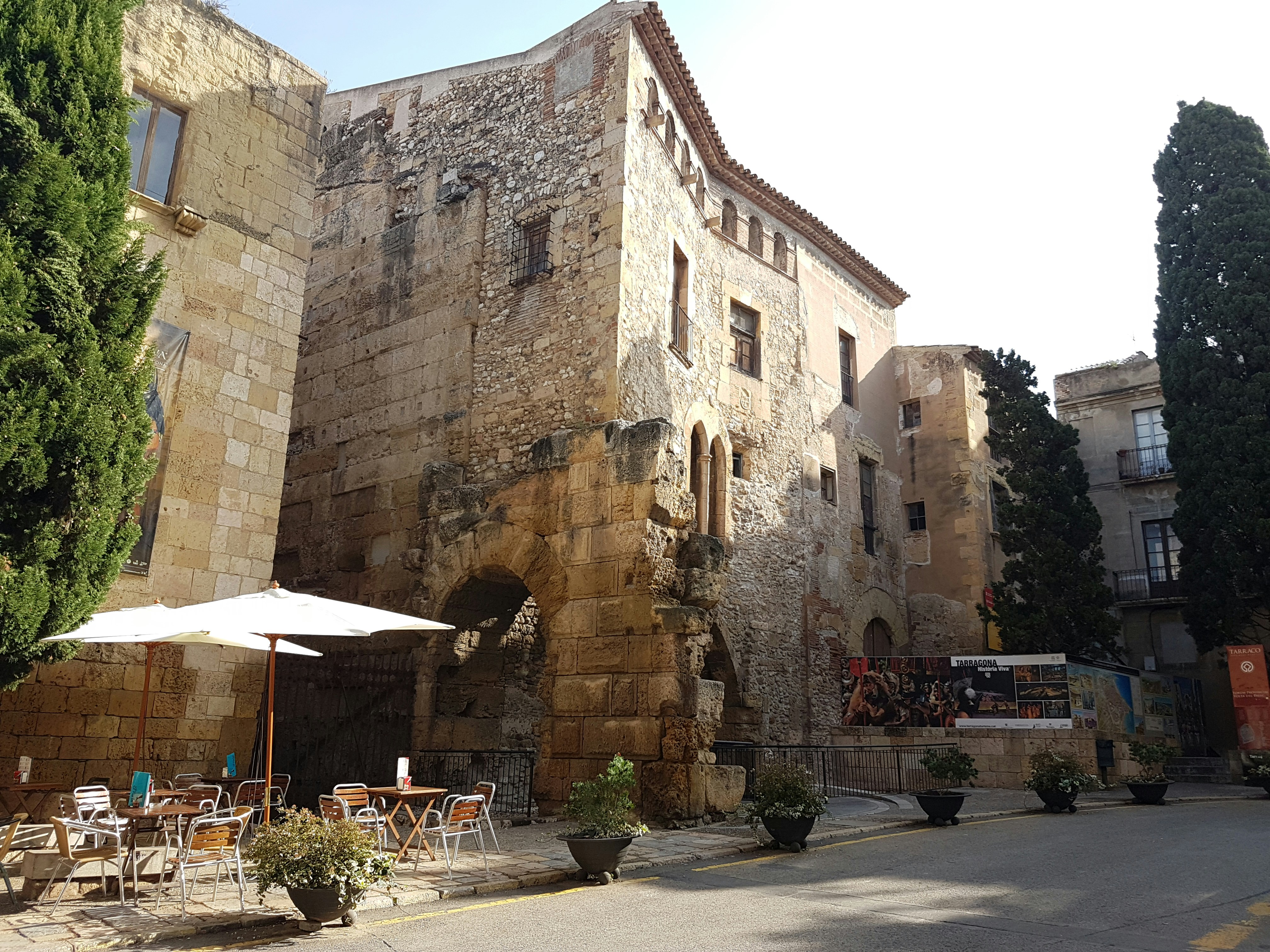
Two thousand years of history can be felt in the bones of this coastal city. Tarraco, as it was known to the Romans, served as the capital of Hispania Tarraconensis, one of the empire's most important provinces. The magnitude of its former glory can still be grasped today through the remarkable ruins scattered throughout the modern urban landscape.
The amphitheater was carved into the hillside overlooking the sea in the 2nd century AD. Twenty thousand spectators were once accommodated within its oval walls, where gladiatorial contests and wild beast hunts were staged for the entertainment of Roman citizens. Today, the ancient stones frame the endless blue of the Mediterranean, creating a vista where past and present collide with breathtaking beauty.
Above the old town, the Roman circus stretches beneath modern buildings, its vaulted galleries and chambers remarkably preserved. Chariot races were held here, the thunder of hooves and roar of crowds echoing through what was then the empire's second-largest circus. The sensation of walking through these underground passages evokes the grandeur that once defined this provincial capital.
Things to do in Tarragona
Layers of Time
The medieval quarter was built directly atop Roman foundations, creating a fascinating architectural palimpsest. Narrow streets wind between buildings where Roman columns have been incorporated into medieval walls, and Gothic windows peer out from structures raised on ancient foundations. This layering of centuries can be observed at every turn.
The cathedral dominates the old quarter, its construction having been initiated in 1171 on the site of a Roman temple dedicated to Jupiter. Romanesque and Gothic elements blend seamlessly in its architecture, while the cloister—considered one of Catalonia's finest—provides a tranquil space where delicate columns and capitals carved with biblical scenes surround a peaceful garden.
The Jewish quarter, known as El Call, winds through some of the oldest streets in the city. This maze of passages and stairways reveals hidden corners where time seems to have stood still. Buildings lean together as though sharing secrets accumulated over centuries, their walls bearing witness to the diverse communities that have called this place home.
Living History
What distinguishes this city from other archaeological sites has been its ability to remain vibrantly alive while preserving its ancient heritage. Markets fill with local produce in squares where Roman forums once stood. Children play in parks where imperial processions once marched. The past has not been cordoned off behind velvet ropes but woven into the fabric of daily existence.
The Museu Nacional Arqueològic houses one of Spain's most important collections of Roman artifacts. Intricate mosaics, marble statuary, and everyday objects excavated from the surrounding area tell stories of ordinary lives lived under extraordinary circumstances. The wealth and sophistication of Roman Tarraco become tangible through these carefully preserved remnants.
Each September, the Tarraco Viva festival transforms the city into a living classroom of ancient history. Gladiator demonstrations are staged in the amphitheater, while legionaries march through streets much as they did two millennia ago. History becomes experiential rather than theoretical, engaging visitors in ways that static displays never could.
Coastal Character
Beyond the ancient stones, the Mediterranean shapes the character of daily life here. The Balcó del Mediterrani—a viewing platform perched above the sea—offers panoramic vistas where sky and water merge in an infinite blue expanse. Locals gather here at sunset, the ritual of watching day surrender to night having been practiced for generations.
The seafront promenade stretches along golden sand beaches where fishing boats still bob in the harbor. Fresh seafood defines much of the local cuisine, with restaurants serving traditional Catalan dishes that celebrate the sea's bounty. Suquet de peix, a hearty fish stew, and romesco sauce—a local invention made from nuts, peppers, and tomatoes—grace tables throughout the city.
The fishing quarter of El Serrallo maintains its authentic working character despite the march of modernization. Seafood restaurants line the streets here, their kitchens serving whatever the morning's catch has provided. The connection to maritime traditions runs deep, evident in the conversations of fishermen mending nets and the early morning auctions at the fish market.
Cultural Threads
Catalan identity has been fiercely maintained here, the language and traditions having survived centuries of external pressure. During Sant Jordi's Day in April, the streets bloom with roses and books, the festival celebrating Catalonia's patron saint through the exchange of these gifts. The tradition transforms the city into an open-air celebration of culture and romance.
The castells—human towers built during festivals—represent one of Catalonia's most distinctive traditions. Teams compete to construct the highest and most complex formations, with children scrambling to the very top of swaying towers of humanity. The courage and cooperation required for these formations speak to values deeply held within Catalan culture.
Local markets overflow with regional specialties: calçots (a type of green onion eaten with romesco sauce), Reus hazelnuts, and wines from the nearby Priorat and Montsant regions. Food shopping becomes an immersive cultural experience, conversations between vendors and customers revealing the pride taken in local products and traditions.
Modern Rhythms
Contemporary life thrives alongside historical preservation. The newer districts showcase modern Catalan architecture, while the university brings youthful energy to the streets. Technology companies have established offices here, drawn by the quality of life and connectivity to Barcelona, just an hour away by train.
The Rambla Nova serves as the city's main artery, its wide tree-lined boulevard connecting old and new. Cafes spill onto sidewalks where families gather for afternoon vermut, the pre-lunch aperitif ritual remaining sacred. The pace of life here rejects the frenetic rush found in larger cities, instead embracing a Mediterranean tempo where meals last for hours and conversation holds value.
Cultural offerings have been expanded beyond the historical attractions. Modern art galleries, contemporary theater productions, and music festivals complement the ancient sites. The city has managed to honor its extraordinary past while refusing to be trapped by it, instead creating a dynamic present that respects what came before.
Beyond the Walls
The surrounding Costa Daurada lives up to its name—the Golden Coast—with beaches stretching north and south from the city. Small fishing villages dot the coastline, many retaining their traditional character despite the pressures of tourism. Day trips to these coastal communities reveal quieter rhythms and simpler pleasures.
The nearby Cistercian monasteries of Poblet and Santes Creus stand as masterpieces of medieval architecture. These active religious communities welcome visitors to spaces where Gregorian chant still echoes through stone cloisters. The tranquility found within their walls offers counterpoint to the coastal energy.
Inland, the landscape shifts to rolling hills planted with olive groves and vineyards. Wine routes wind through the countryside, connecting family-run bodegas where traditional methods continue to be practiced. The connection between land and table becomes evident in these rural areas, where seasons still dictate what appears in markets and on plates.
The experience of visiting this coastal city differs markedly from the journey through Dresden's reconstructed baroque splendor, yet both destinations offer profound encounters with European history. Here on the Mediterranean, the past feels less reconstructed than simply persistent—ancient stones continuing their vigil while modern life flows around them like water around rocks in a stream. The synthesis of epochs creates something unique, a place where history doesn't require imagination because it remains visible, tangible, integrated into every aspect of existence. This coastal treasure rewards those who take time to explore beyond the obvious, revealing layer upon layer of human story written in stone, tradition, and the ever-present Mediterranean light.


 Home
Home Wishlist