
Frankfurt am Main: Where Finance Meets Tradition
Skyline and Substance
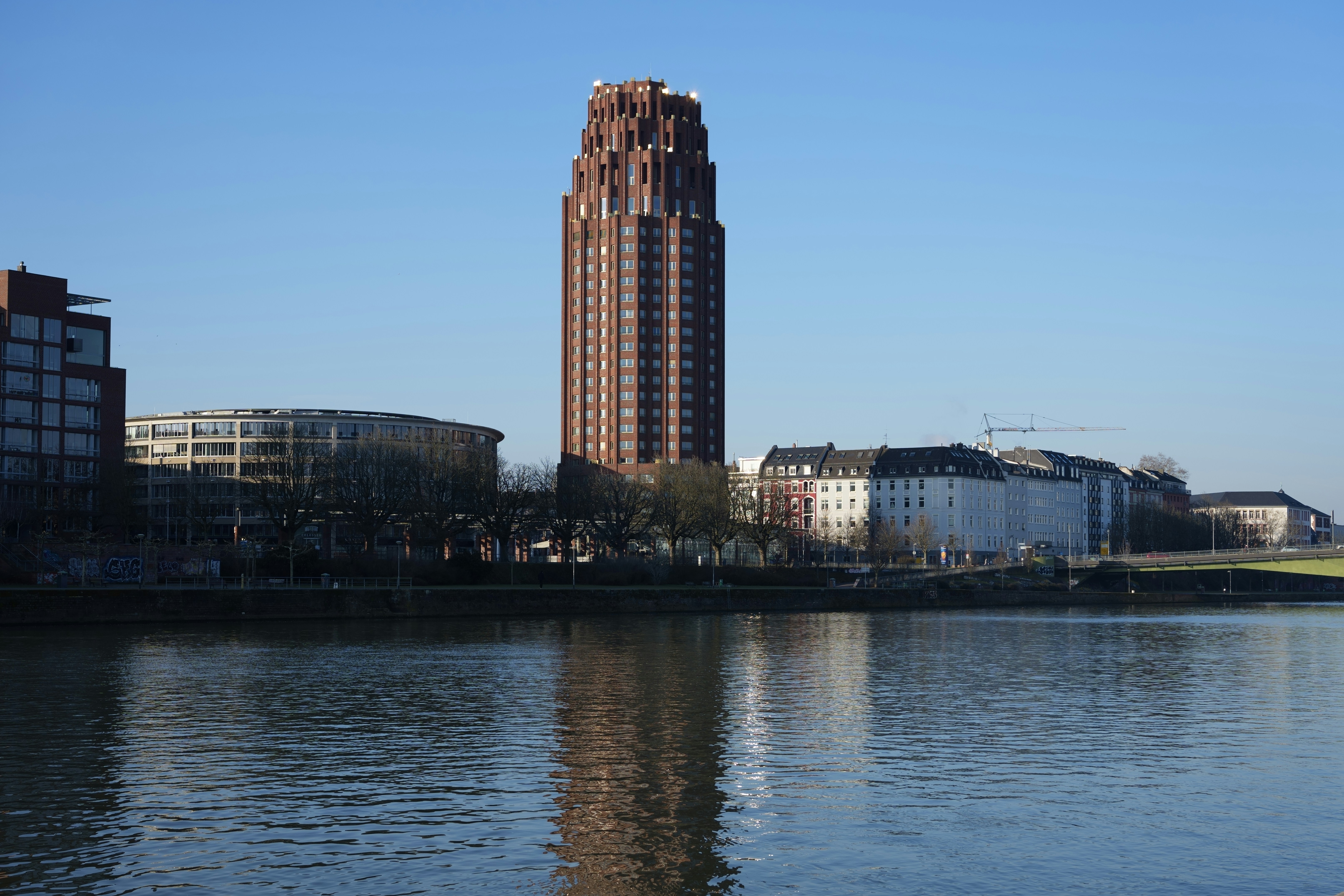
The Mainhattan skyline – a playful nod to Manhattan – dominates the visual landscape. Glass and steel towers housing international banks and financial institutions have been erected along both sides of the Main River, creating Germany's most American-looking cityscape. From the observation deck of the Main Tower, panoramic views across the region can be enjoyed, with the Taunus hills visible to the northwest on clear days.
Yet this vertical ambition tells only part of the story. At street level, a different rhythm gets felt. The Römerberg, the historic heart, has been carefully reconstructed after wartime destruction. Its distinctive gabled houses, painted in warm ochres and reds, frame a square where markets have been held for over eight centuries. The medieval Römer building, with its iconic three-stepped facade, has served as the city hall since 1405.
Things to do in Frankfurt-am-Main
Cultural Corridors
Along the Main's southern bank, the Museumsufer (Museum Embankment) stretches like a ribbon of culture. Thirteen museums have been concentrated within walking distance, their collections spanning art, architecture, cinema, and ethnography. The Städel Museum, founded in 1815, houses one of Germany's most significant art collections. Works by Rembrandt, Vermeer, and Monet hang in galleries where light has been carefully controlled to preserve these treasures for future generations.
On summer evenings, the riverbank transforms into an informal gathering space. Joggers pass cyclists, while groups of friends spread blankets on the grass. The Main gets crossed by numerous bridges, each with its own character. The Eiserner Steg, an iron footbridge built in 1868, has become weighed down by thousands of love locks attached to its railings by hopeful romantics.
Markets and Memory
The scent of fresh apples and baked goods fills the air around the Kleinmarkthalle, a covered market hall where vendors have been selling their wares since 1954. Stalls overflow with regional produce, exotic spices, artisan cheeses, and fresh flowers. Local specialties like handkäse (a pungent sour milk cheese) and grüne soße (green sauce made with seven herbs) get proudly displayed alongside international delicacies.
A different kind of commerce once took place in the Judengasse, the former Jewish quarter. The Jewish Museum, built on the site of the medieval ghetto, explores centuries of Jewish life and contribution to the city's development. The museum's architecture itself tells a story – fragments of medieval foundations have been incorporated into the modern structure, allowing past and present to converge.
Literary Lineage
In a bright yellow house on the Großer Hirschgraben, Germany's most famous writer was born. The Goethe House has been meticulously restored to its 18th-century appearance, with period furniture and artwork recreating the environment where Johann Wolfgang von Goethe spent his youth. The adjacent museum explores his extraordinary life and work, from poetry to scientific inquiry.
This literary heritage gets celebrated annually at the Book Fair, the world's largest trade fair for books. For five days each October, publishers, agents, authors, and readers from over 100 countries descend upon the fairgrounds. Rights get negotiated, trends get set, and the future of publishing gets shaped in meeting rooms and exhibition halls.
Apple Wine Culture
In the Sachsenhausen district, traditional apple wine taverns (apfelwein lokale) have been serving the region's signature drink for generations. This tart, slightly alcoholic beverage gets poured from distinctive blue-gray stoneware pitchers called bembel. In rustic establishments with communal wooden tables, locals and visitors alike gather to enjoy hearty regional dishes – pork cutlets, sausages, and potato salad – washed down with glasses of "ebbelwoi."
The atmosphere in these taverns feels deliberately unpretentious. Conversations get struck up between strangers, laughter echoes off wood-paneled walls, and traditional songs occasionally get sung with varying degrees of musicality. This convivial culture offers a counterbalance to the corporate seriousness found in the banking district just across the river.
Green Breathing Spaces
The Palmengarten, one of three botanical gardens, provides a verdant escape within the urban fabric. Established in 1868, its greenhouses shelter tropical plants, succulents, and orchids from around the world. Outdoor gardens showcase roses, rhododendrons, and seasonal displays that attract both botanists and families seeking afternoon recreation.
Beyond the formal gardens, the GrünGürtel – a green belt encircling the city – offers 70 kilometers of walking and cycling paths. Former fortifications have been transformed into parks, meadows transition into forests, and the Main's tributaries create wetland habitats. This commitment to green space ensures that nature remains accessible despite ongoing urban development.
Transportation Hub
The Hauptbahnhof (central station) ranks among Europe's busiest railway stations, with over 450,000 passengers passing through daily. High-speed trains connect the city to destinations across the continent, while regional services link surrounding towns and villages. The station's grand architecture, with its soaring glass-and-steel roof, speaks to the importance traditionally placed on railway infrastructure.
The airport, located just 12 kilometers southwest, serves as a major international gateway. As one of Europe's busiest cargo and passenger hubs, connections to destinations worldwide get maintained by dozens of airlines. Yet despite this global reach, the city center can be reached in under 15 minutes via the efficient S-Bahn network.
Seasonal Rhythms
Christmas transforms the Römerberg into a winter wonderland. The traditional Weihnachtsmarkt (Christmas market) has been held here since 1393, making it one of Germany's oldest. Wooden stalls sell handcrafted ornaments, roasted chestnuts, and steaming mugs of glühwein. The scent of cinnamon and pine needles fills the cold air, while carolers and brass bands provide seasonal music.
Summer brings a different energy. The Museumsuferfest, a three-day cultural festival in late August, attracts millions of visitors to the riverbanks. Music stages feature everything from classical to electronic, street performers entertain crowds, and museum doors get thrown open with extended hours and special programming. The Main itself becomes a stage, with boat parades and water sports demonstrations.
Culinary Evolution
While traditional fare still gets enthusiastically consumed, the dining scene has been significantly diversified in recent decades. Michelin-starred restaurants serve innovative interpretations of German cuisine, while international flavors from Korean to Peruvian have been introduced by immigrant communities and adventurous chefs.
The city's prosperity and international workforce have created demand for sophisticated dining experiences. Yet even in upscale establishments, a certain German practicality remains. Portions tend toward generous, service stays efficient rather than fussy, and reservations get recommended but rarely required months in advance.
Living Traditions
Every spring, Dippemess – a traditional folk festival dating back to the 14th century – takes over a fairground near the city center. Originally a pottery market (dipped means pot in local dialect), the festival has evolved into a carnival with rides, games, and food stalls. This twice-yearly event (it runs again in autumn) maintains connections to pre-industrial traditions that might otherwise have been forgotten.
The Ebbelwei-Express, a converted historic tram, offers a mobile taste of local culture. As it rattles through various neighborhoods, passengers sample apple wine and pretzels while learning about the city's history through recorded commentary. This charmingly retro experience contrasts sharply with the sleek modern trams that form the backbone of public transportation.
As evening descends and office lights begin illuminating the tower blocks, the city's dual nature becomes most apparent. The financial district empties as workers head home or toward restaurant reservations, while the cobblestone quarters fill with diners seeking traditional fare. This daily transition – from international business hub to regional cultural center – has been perfected over generations, creating a unique metropolitan identity that refuses simple categorization. Those seeking similar contrasts between commerce and tradition might also appreciate exploring Hamburg, where port industry meets historic maritime heritage.


 Home
Home Wishlist